Angeles receives $4.6M grant to study the role of memory T cells in melanoma
10:00 AM
Author |
Christina V. Angeles, MD, Associate Professor of Surgery and Dermatology at Michigan Medicine, received a $4.6 million grant from the National Cancer Institute to understand the role tissue-resident memory T cells play in the spread of melanoma and its response to immunotherapy.
About half of patients with metastatic melanoma will benefit from immune-based therapies, with some having long-term responses and a durable control of disease. Patients who have the strongest response often develop vitiligo, an autoimmune side effect of immunotherapy that leads to patches of skin losing color.
Previous research in mice and tumor samples have found that tissue-resident memory T cells, or TRM, within melanoma-associated vitiligo are tied to long-term survival. The TRM cells are seen as critical participants in anti-tumor immune response. Scientists now know that TRM are also associated with responders to immunotherapy without vitiligo.
While these previous studies have focused on metastatic melanoma, this new research will look at how the immune response to a primary melanoma affects recurrence and overall survival for patients. The study includes preclinical models testing a potential way to increase these T cells in primary and metastatic melanoma and pave the way for a future clinical trial to induce durable TRM cells when treating primary melanoma.
“My hope is that this work will advance our knowledge of how tissue-resident memory T cells contribute to early disease management and establish long-lived memory. As a surgical oncologist, I treat many patients with high-risk early-stage disease. I want to find away to train the immune system at that time to prevent the spread of melanoma,” Angeles said. “This research will inform clinical trials that will allow us to achieve our long-term goal of inducing durable immunity to cancer and improving patient survival.”
Funding: National Cancer Institute grant 1R37CA292078-01A1
In This Story
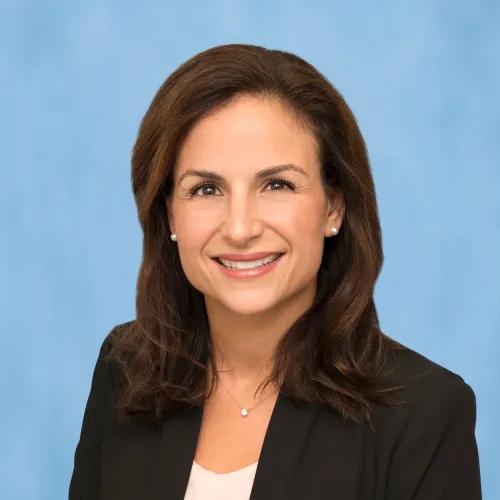
Christina V Angeles, MD
Associate Professor
Featured News & Stories
New oral nanomedicine boosts effectiveness of cancer immunotherapies
5-year survival rate has increased for all cancers, according to American Cancer Society
Inactivation of key pathway boosts the body’s immune response against tumors
When is a mole suspicious?
Using cellular therapy to treat cancer, and beyond