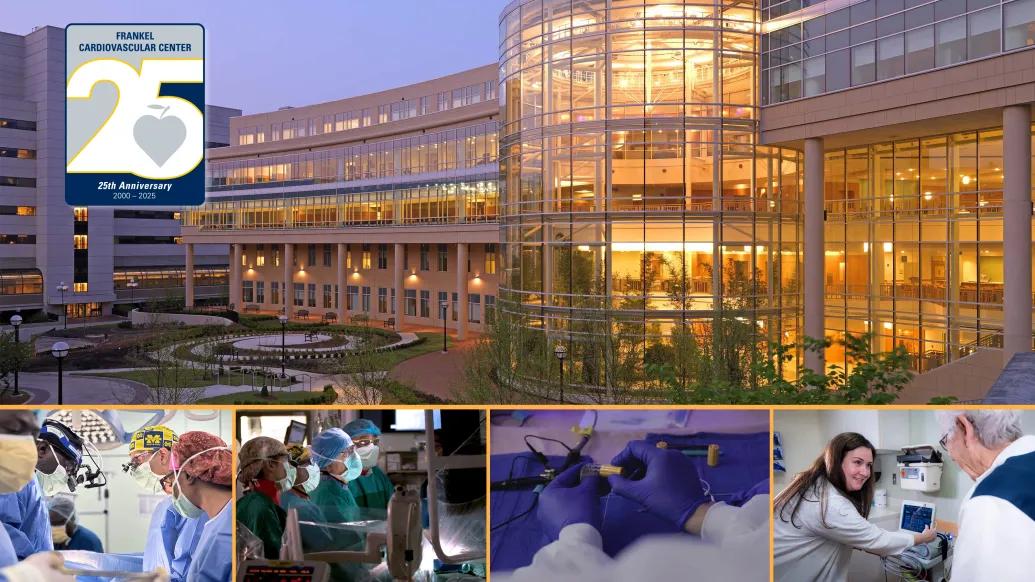
25 milestones for 25 years of the University of Michigan Health Frankel Cardiovascular Center
From clinical care to research, these achievements have advanced cardiovascular medicine.
Author |
It may be a simple checkup for your heart, a stent placed to open a clogged artery or even lifesaving cardiovascular surgery when there are no other options.
People from across the state and region rely on University of Michigan Health and its experienced clinicians for diagnosis, management and treatment of cardiovascular conditions.
For 25 years, the Frankel Cardiovascular Center has been a home for that compassionate, patient-centered care.
The Center utilizes a cooperative model that brings cardiovascular specialties together under one roof, with a commitment to advancing medicine and serving humanity.
Since its inception, faculty and staff at the Frankel CVC have made significant achievements in clinical care, research, innovation and training.
To celebrate the Center’s jubilee, we are sharing 25 milestones in cardiovascular care.

2000 - Cardiovascular Center Designation
In fall 2000, the Regents of the University of Michigan approved a Cardiovascular Center within the University of Michigan Health System, now U-M Health. This brought together all cardiovascular services, including cardiovascular medicine, cardiac surgery, vascular surgery, stroke and others. The designation allowed for expanded research and training programs, and kicked off a philanthropic campaign to support the development and construction of what would become the Frankel Cardiovascular Center facility.
2004 - T32 Program
Initiated by Thomas Wakefield, M.D., and now led by Peter Henke, M.D., and Katherine Gallagher, M.D., the section of vascular surgery in the U-M Health Department of Surgery launched the program “Vascular Surgery: Research Training in Vascular Biology” after securing a T32 Institutional Training Grant. The National Institutes of Health-sponsored program supports post-doctoral trainees and remains one of a handful of vascular surgery-led T32 programs in the U.S.
This was the first T32 since the Center’s designation. It joined the “Multidisciplinary Cardiovascular Research Training” program that started in 1996 and is now led by David Pinsky, M.D. That program recently received its fourth successful competing renewal and has trained more than a dozen faculty members over the years.
Since 2004, there have been four more T32s for cardiovascular-related research in areas including cardiac surgery, translational cardiovascular research and translational medical imaging.

2004 - Project Healthy Schools
Co-founded by Kim Eagle, M.D., Project Healthy Schools is an evidence-driven program that encourages healthy habits in kids through education and environmental change. The program offers hands-on lessons and sustainable evaluation tools that focus on developing healthy habits. It has been implemented in more than 150 schools throughout Michigan and served more than 150,000 students.
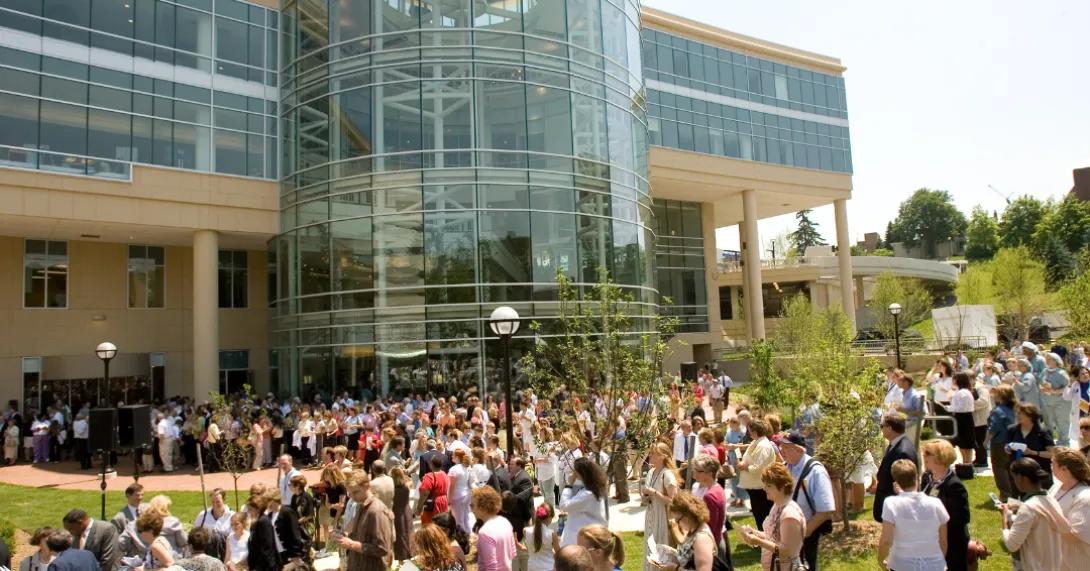
2007 - The Cardiovascular Center Opens
On June 11, the Frankel Cardiovascular Center (then University of Michigan CVC) opened its doors, offering a new way of treating and studying cardiovascular disease. The building united many people and programs dedicated to heart and vascular care that were once scattered throughout the medical center. The Center's synergistic model is owed to its founding leadership, who represented vascular surgery (James Stanley), cardiology (David J. Pinsky), clinical cardiology (Kim Eagle), cardiac surgery (Richard L. Prager) and administration (Linda Larin).
2008 - Collaborative Quality Initiatives (CQI)
In 2008, Blue Cross Blue Shield of Michigan partnered with James Froehlich, M.D., and Geoffrey Barnes, M.D., M.Sc., to start the Michigan Anticoagulation Quality Improvement Initiative (MAQI2). This collaboration brought together hospitals in the state of Michigan to share data, analyze care delivery and outcomes, and identify areas for improvement. This effort has led to several successful antithrombotic stewardship interventions that have been replicated nationwide. “MAQI2 has been a shining example of how the Frankel CVC is leading efforts locally and nationally to improve care delivery for patients,” Barnes said. “We’re doing this through local leadership and collaboration, research, education and policy.”
Additionally, the Blue Cross Blue Shield of Michigan Cardiovascular Consortium, known as BMC2, is a collaborative quality initiative hosted at Michigan Medicine. It earned the 2023 John M. Eisenberg Patient Safety and Quality Award in the local level innovation category from the Joint Commission and the National Quality Forum.
2008 - Center for Arrhythmia Research
In late 2007, José Jalife, M.D., and a group of more than 30 researchers moved to the Frankel Cardiovascular Center to form the Center for Arrhythmia Research. The Center was founded as a hub for multidisciplinary research into cardiac function and electrophysiology, with the overall goals of developing new approaches to the diagnosis and treatment of heart diseases and preventing premature deaths.
In 2011, the Center was among the first laboratory-based research teams to move into the newly created North Campus Research Complex, allowing investigators to strengthen their collaborations with many other U-M experts. The Center’s work has led to major advances in understanding the molecular and cellular bases of cardiac electrical impulses, as well as the mechanisms of complex arrhythmias and sudden cardiac death. The group has published more than 420 original papers and review articles, and edited/authored thirteen books, including the internationally acclaimed Cardiac Electrophysiology: From Cell to Bedside, the recognized authoritative reference on cardiac electrophysiology.
2008 - Landmark Hypertension Trial Changes Treatment Paradigm
Conceived by Kenneth Jamerson, M.D., (global lead investigator) and Bertram Pitt, M.D., and coordinated by Michigan Medicine, the ACCOMPLISH Trial changed the way care is delivered for patients with hypertension. Results published in the New England Journal of Medicine reveal that patients receiving a combination of an ACE Inhibitor and calcium channel blocker (CCB) had a 20% reduction in cardiovascular events.
These results provided strong evidence that starting treatment with a combination of drugs, rather than a single agent, leads to faster and more effective blood pressure control. Due to ACCOMPLISH and subsequent trials, most global hypertension guidelines now recommend initial combination therapy, departing from the traditional stepwise approach of monotherapy.
Additionally, effective initial combination therapy across populations has reduced the need for race-, gender- or age-specific treatment guidelines. This simplifies treatment algorithms and promotes equity in care.
2010 - My Heart Your Heart
My Heart Your Heart got its start when the spouse of a recently deceased patient phoned Timir S. Baman, M.D., and inquired about possibly recycling his late wife’s implanted pacemaker. The program now leads an international clinical trial to test the impact of using reconditioned pacemakers in low- and middle-income countries. If successful, the trial could greatly increase access to pacemaker treatment for patients who otherwise would not receive it due to cost.
My Heart Your Heart works in close collaboration with non-governmental organizations, charities and metal recycling companies. It has received pacemaker donations from funeral homes and crematories in all 50 states.
2010-2011 - International Research Partnerships
In 2010, researchers from Michigan Medicine and the Peking University Health Science Center in Beijing partnered to form the Joint Institute for Translational and Clinical Research to advance medicine in the U.S. and China. Research projects focused on cardiovascular disease were a key focus at the Joint Institute’s inception, a partnership which has evolved to include many other important areas of medical and surgical research. The partnership has funded more than 81 projects that produced over 160 publications spanning many disciplines, including cardiovascular medicine. The JI has received over $86 million in extramural funding and helped over 200,000 patients involved in studies across both China and the United States.
The Michigan-Israel Partnership for Research and Education officially launched in 2011 with a gift from D. Dan Kahn for collaborative research in cardiovascular disease between the University of Michigan and the Technion – Israel Institute of Technology. Israel’s Weizmann Institute of Science joined the partnership in 2013. This was one of the first instances of trilateral international collaboration, which has become an example for leveraging unique scientific strengths of each partner institution. These institutions have come together on collaborative research projects that leverage multidisciplinary expertise to advance biomedicine, among other fields. The partnership has overall programmatic support of over $25 million towards collaborative projects, educational exchanges and annual symposia.
2011 - Cardiovascular Research Center
The CVC’s research program at the North Campus Research Complex expanded, accelerating its advance of cardiovascular advances into the clinical arena. It evolved into the Cardiovascular Research Network, which encompasses the programs, initiatives, labs and clinical trial coordination of the Frankel CVC’s vast research enterprise – an essential component of the tripartite mission.
2012 - New PET-CT Imaging Approaches
A team led by Venkatesh Murthy, M.D., developed and validated novel approaches to cardiac PET-CT that have achieved broad clinical translation. One approach, which focuses on imaging heart and valve inflammation, enables clinicians to more precisely identify and quantify conditions, fine-tune medical therapy and decide if patients may benefit from surgery. Another approach focuses on measuring blood flow to the heart muscle, which improves the diagnosis of atherosclerotic blockages and ability to quantify the impact of those blockages. This technique significantly reduces the need for heart catheterizations and allows for better selection of patients for revascularization.
These approaches have become standard in guidelines for the Society of Nuclear Medicine & Molecular Imaging and the American Society of Nuclear Cardiology.
2013 - Frankel Cardiovascular is Named
On March 21, 2013, University of Michigan’s Board of Regents approved the naming of the Cardiovascular Center in honor of Samuel and Jean Frankel to recognize the couple's groundbreaking support of the Center. The $50 million gift from the Samuel and Jean Frankel Foundation to the U-M Cardiovascular Center was announced anonymously when the Center opened in 2007, and the 2013 date marked the first time the donor had been named publicly.
Gifts from the Frankels to advance health care at the University of Michigan are among the most generous in school history, and their heritage of philanthropy has elevated scholarship and culture worldwide.
2014 - First Implant of Thoracic Branch Endoprosthesis
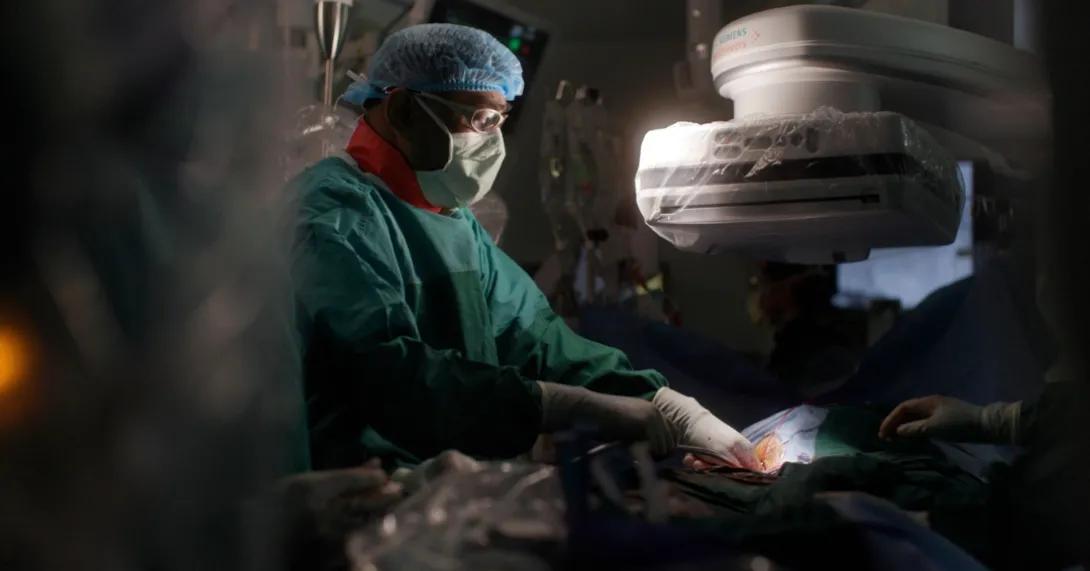
On Jan 21, 2014, a team led by Himanshu Patel, M.D, David M. Williams, M.D., and Jon Eliason, M.D., performed the first in-human implantation of a device designed to treat thoracic aortic aneurysms called the GORE® TAG® Thoracic Branch Endoprosthesis (TBE). The device, designed to seal off hard-to-treat sections of the aorta, had previously only been used in laboratory studies.
U-M Health surgeons eventually performed the first implant of the TBE for an FDA-sponsored clinical trial, as well as the first after-commercial release.
TBE was the first branch-stent graft approved by the FDA to treat thoracic aortic aneurysms that extended into the aortic arch. It is now used for endovascular repair of damage to the descending thoracic aorta, including aneurysm, transection and dissection.
2014 - First Hospital Discharge with a Total Artificial Heart
On Dec. 23, 2014, Stan Larkin made history as the first patient in the Midwest to walk out of a hospital with a Total Artificial Heart. Before then, patients with a Total Artificial Heart would have to stay in the hospital until they had a transplant.
Using a device called the Freedom portable driver, which was carried in a backpack that powered the equipment, Larkin was able to live actively with virtually unlimited mobility. He did so until receiving a heart transplant in mid-2016.
Both Stan and his brother, Dominique, were both diagnosed with arrhythmogenic dysplasia, which causes arrhythmias and failure on both sides of the heart. Dominique received a heart transplant in 2015.
2015 - Groundbreaking Pulmonary Arterial Hypertension Research
Led by Dr. Vallerie McLaughlin, M.D., the phase III, placebo-controlled GRIPHON trial found that treatment with selexipag, an oral, selective prostacyclin-receptor agonist, resulted in a 40% reduction in risk of disease progression and death for patients with pulmonary arterial hypertension.
This is the largest study to date of pulmonary arterial hypertension. The findings, published in the New England Journal of Medicine, led to FDA approval of the drug, which is included in guidelines for management and treatment of the rare disease.
2016 - Heart Failure Research Prompts Guideline Changes
In 2016, prominent medical societies, including the European Society of Cardiology, the American College of Cardiology and the American Heart Association, updated guidelines to include a Class I indication for mineralocorticoid receptor antagonists (MRAs) in patients with chronic heart failure and a reduced left ventricular ejection fraction (HF-REF). This change in the approach to treatment of heart failure was borne from three landmark trials chaired or co-chaired by Bertram Pitt, M.D. (RALES, EPHESUS, and EMPHASIS-HF).
These trials showed a reduced risk of death and hospitalization for patients with systolic heart failure. MRAs now make up part of the baseline “four pillar “ therapy for all patients with chronic HF-REF.
2017 - Hypertrophic Cardiomyopathy Research Prompts Guideline Changes
For years, guidelines recommended that people with hypertrophic cardiomyopathy limit intense exercise due to concerns over a potential for triggering ventricular arrhythmias. However, a randomized clinical trial led by Sara Saberi, M.D., M.S., found that moderate-intensity exercise resulted in an increase in exercise capacity for HCM patients with no safety concerns. The results were published in JAMA.
This work was foundational in showing that the benefits of exercise outweigh the health risks for HCM patients. As of 2020, the American College of Cardiology and the American Heart Association recommend that patients engage in low-to-moderate intensity physical activity to manage their condition.
2018 - Advancements in Speckle Tracking Echocardiography
Two-dimensional speckle tracking echocardiography (2D STE) is a complex cardiac imaging technique which analyzes cardiac strain using ultrasound. This is a more sensitive measure of cardiac function compared to standard measures. Before 2018, most clinicians were not able to use this technology to measure left atrial, right ventricular or right atrial strain because there were no standard recommendations on techniques from clinicians or ultrasound companies.
Co-led by Theodore Kolias, M.D., a group of clinicians, researchers and industry partners developed a consensus document of the European Association of Cardiovascular Imaging and the American Society of Echocardiography and Industry Task Force to provide guidance on selecting the functional parameters to measure and how to analyze them using 2D STE. These recommendations have been adopted across the field and incorporated into contemporary cardiac ultrasound systems. These methods are regularly used for the 40,000-plus echocardiograms performed annually at U-M Health.
2019 - Laser Technology to Treat Chronic Aortic Dissection
Thoracic endovascular aortic repair (TEVAR) is now considered standard-of-care for acute type B aortic dissection. However, offering TEVAR for patients with chronic type B dissections comes with additional challenges, including a thickened aortic septum that can lead to incomplete aortic remodeling.
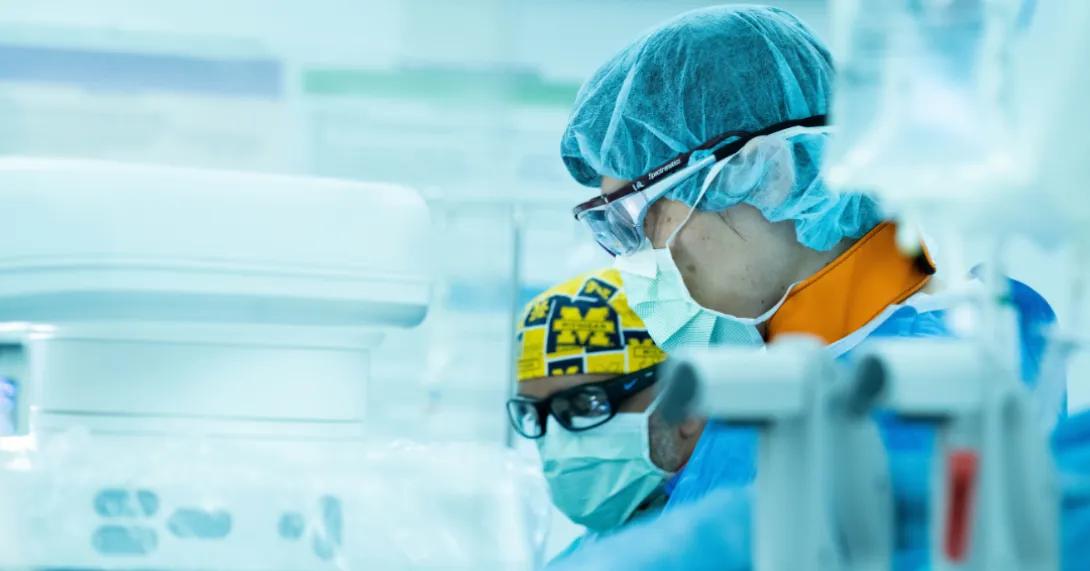
To combat this, a team led by Shinichi Fukuhara, M.D., and Minhajuddin Khaja, M.D., M.B.A., introduced laser technology into the field. Their novel laser fenestration is among the least invasive TEVAR approaches to treat chronic aortic dissection, leading to some of the best outcomes for these procedures.
2020 - Surgical Technique to Improve Aortic Valve Replacement
For many patients with severe aortic disease who need their valve replaced, the mechanical or bioprosthetic valves they receive may be too small — resulting in poor durability and performance, as well as early failure and possible reoperations.
Developed by Bo Yang, M.D., Ph.D., the Y-Incision aortic annular enlargement (AAE) was designed to upsize the replacement device by three to four sizes while also enlarging the root. The procedure, which has been adopted by many surgeons throughout the world, has been shown to improve survival and reduce complications for many patients.
2021 - Cardiovascular Network of West Michigan
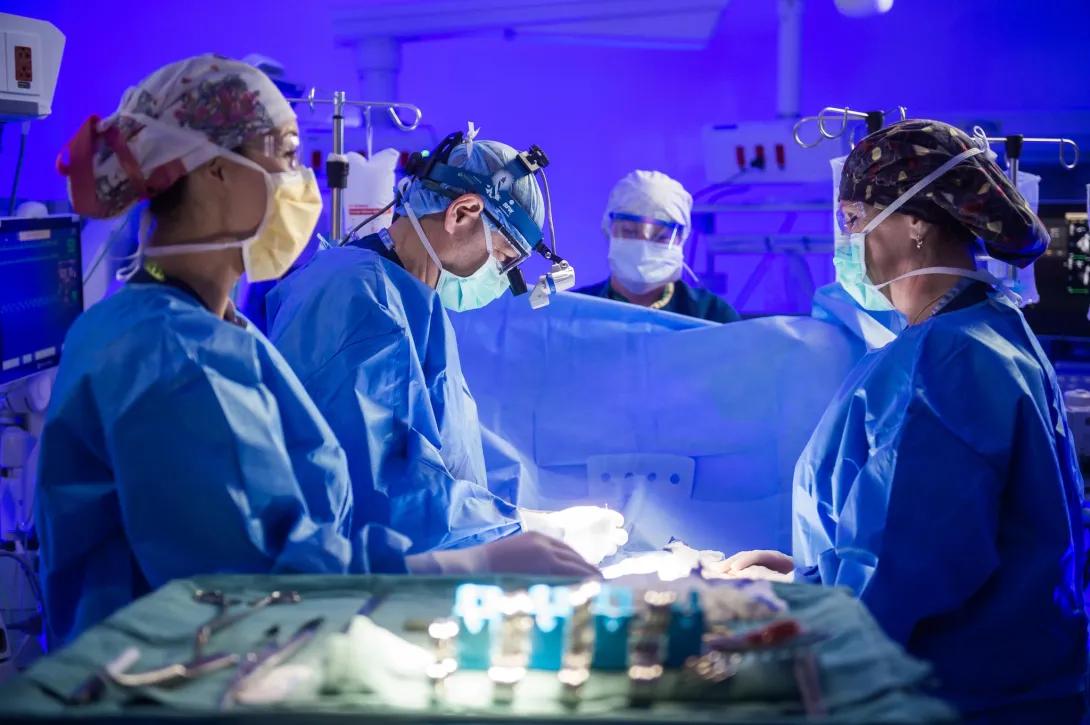
A joint venture between UM Health-West and Trinity Health, powered by the expertise of the Frankel Cardiovascular Center, brought a second open-heart surgery program to the Grand Rapids area.
Since October 2022, the program has completed more than 400 open-heart surgeries and continues to grow with advanced procedures like TAVR and other structural heart interventions.
In 2025, a team of four electrophysiology physicians expanded access to advanced heart rhythm care.
2022 - International VAD Certification Exam
In 2017, the Ventricular Assist Device program was awarded $100,000 through the Frankel CVC Innovation Program. The funds supported the creation of a simulation lab for staff learning, as well as the creation of the international VAD-C exam, administered in partnership with the International Consortium of Circulatory Assist Clinicians.
The exam went live in Fall 2022, and approximately 200 individuals from around the world have since become VAD-certified.
The VAD program is currently caring for over 200patients, the program’s largest volume yet. Around a dozen patients have been on VAD support for over 10 years. In spring 2025, the program celebrated its 1000th primary implant since its beginning in 1996.
2023 - Cardiovascular Mission Work
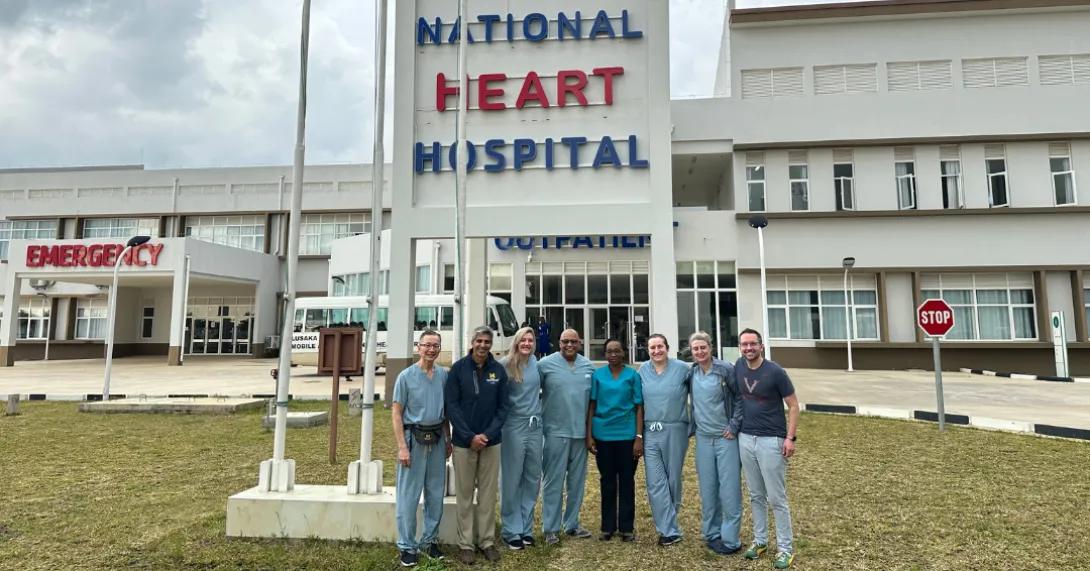
In March 2023, a team from the Frankel CVC traveled to Zambia, where they guided a cardiac surgical team at National Heart Hospital through numerous complex heart operations, including the country's first total aortic arch replacement. Zambia, a country of over 20 million people, has fewer than 10 cardiac specialists in both the government and private sector.
Teams have returned every year since to guide and assist cardiac surgical teams through several procedures, including mitral valve repairs and the Y-Incision annular enlargement developed at U-M Health.
Frankel CVC teams have also traveled to Bangladesh, where they taught the local team to perform their first ascending aortic aneurysm repair and Y-incision annular enlargement operations.
2023 - 1000th Heart Transplant
In the summer of 2023, a team at the Frankel CVC transplanted the 1000th adult donor heart in the U-M Adult Heart Transplant Program’s history. The program features an experienced, multidisciplinary team of cardiac transplant surgeons and transplant cardiologists that treat a high volume of patients and implant donor hearts in the sickest patients.
Also in 2023, the program completed U-M Health’s first heart transplant using an organ from a donor who had recently died, a process called donation after circulatory death, or DCD. The use of DCD hearts substantially increases the organ donor pool by utilizing organs from donors that would previously not be considered.
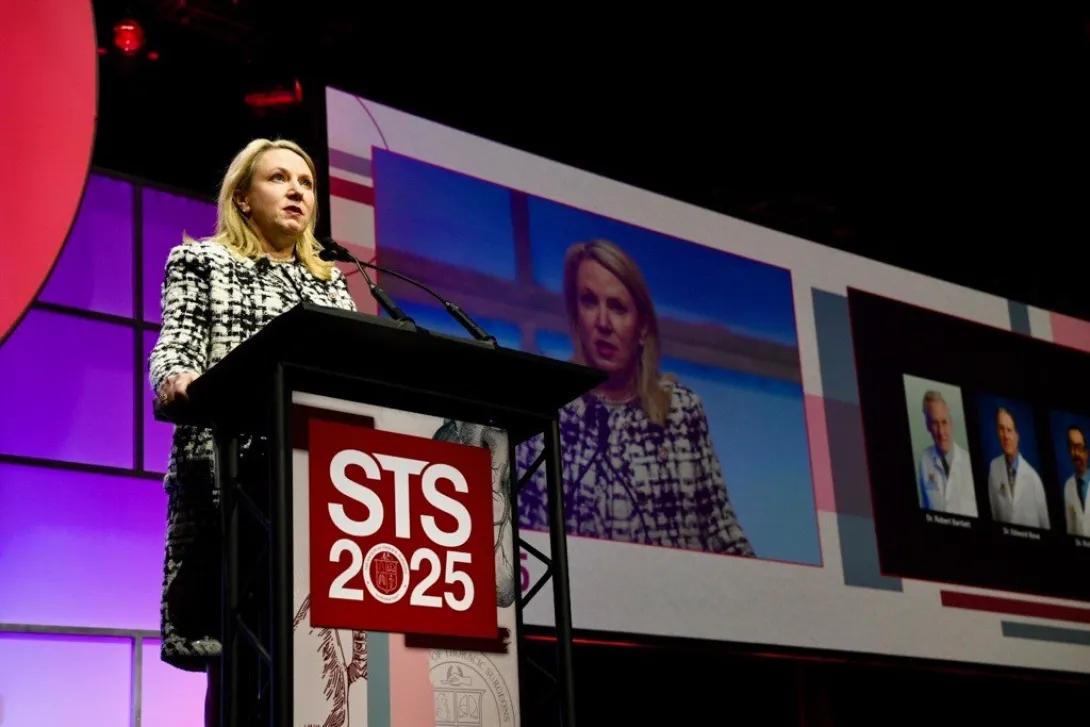
2024 - STS President Makes History
In 2022, the Society of Thoracic Surgeons announced that Jennifer Romano, M.D., would become its president in 2024. Romano was one of the first congenital heart surgeons and the first woman to be elected to the position.
In January of 2025, she delivered her presidential address, “Grace,” at the STS Annual Meeting.
Sign up for Health Lab newsletters today. Get medical tips from top experts and learn about new scientific discoveries every week.
Sign up for the Health Lab Podcast. Add us wherever you listen to your favorite shows.
Featured News & Stories
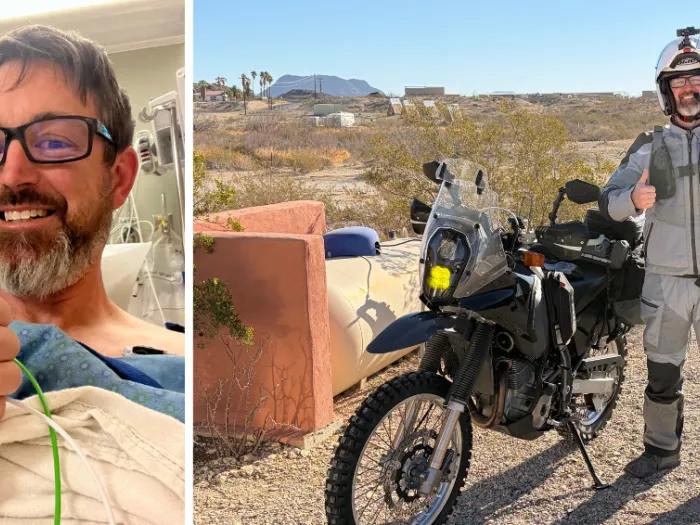
Texas man walking on ‘new legs’ after complex vascular procedures
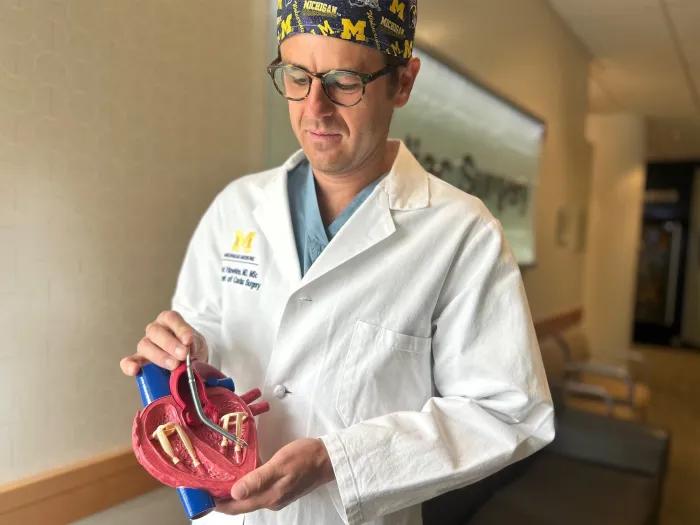
How a temporary heart pump can support high risk cardiac surgery
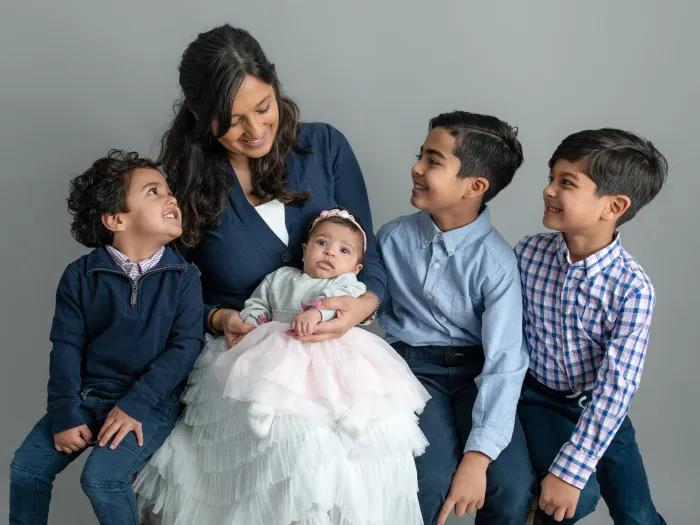
A heart attack 9 days after giving birth: Mother of 4 shares her SCAD experience
Fighting rejection antibodies to make heart transplant possible
Perimenopause and heart health: What you need to know