
More articles about: biomedical engineering

The Fundamentals
The Race to Uncover the Hidden Causes of Idiopathic Pulmonary Fibrosis
Season four of The Fundamentals is here, and we're celebrating by doing a special two-episode release to launch the season!
On this episode of The Fundamentals, we talk to two clinician scientists determined to unlock the mysteries of idiopathic pulmonary fibrosis. Dr. Marc Peters-Golden and his mentee, Dr. Sean Fortier, discuss their research and the race to uncover the hidden causes of IPF to offer new hope to patients.
Be sure to check out our second launch episode and our entire back catalog on The Fundamentals website, or on your favorite podcast player.
Health Lab
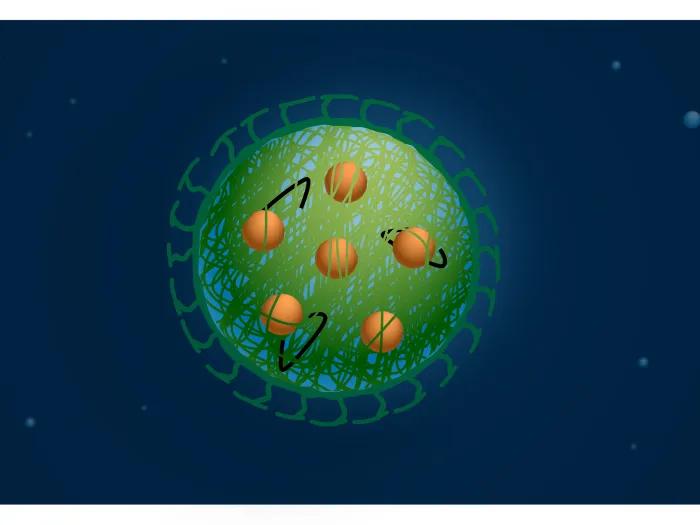
Copper-loaded starch nanoparticles can target bacteria in microbial communities
University of Michigan researchers developed copper-loaded starch nanoparticles that can be broken down by specific bacteria to release antibacterial copper molecules.
Health Lab
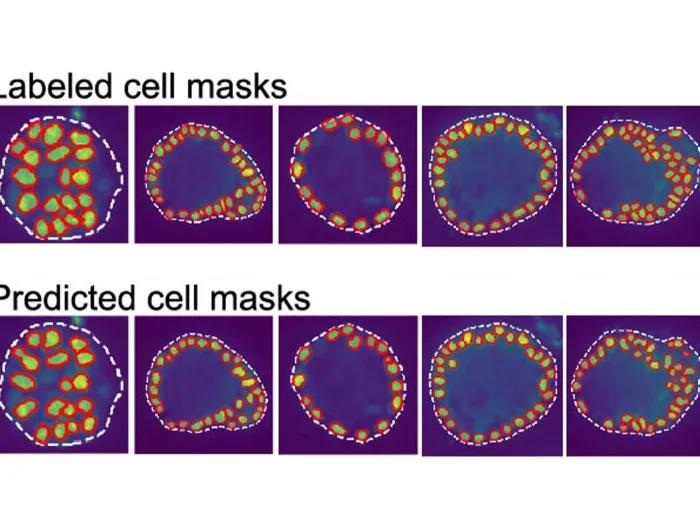
AI reveals hidden features of a developing embryo model
In Michigan Medicine-led research, artificial intelligence reveals hidden features of a developing embryo model.
Philanthropy News
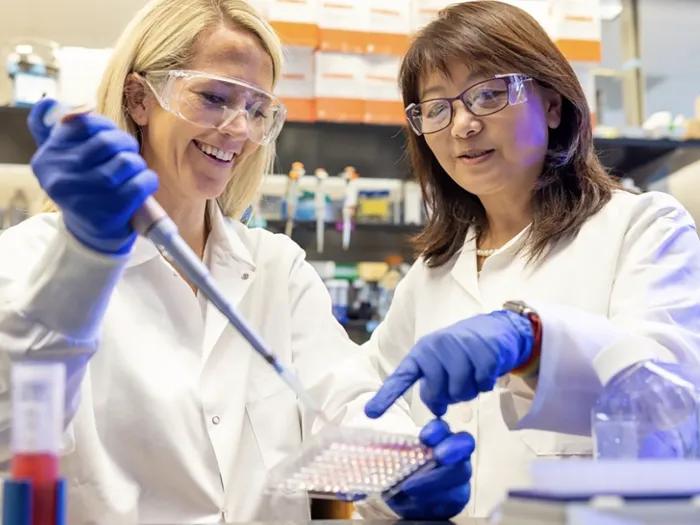
Michigan Medicine donors fuel breakthroughs in discovery research
Michigan Medicine Discovery Research Week celebrates essential research and the donors who make it possible.
The Fundamentals
A.I. and Bioinformatics to Reveal Hidden Networks of the Brain
There are an estimated 86 billion neurons in the human brain. Neuroscientists are actively exploring the importance of single or small groups of neurons versus networks of billions of neurons in the processing of sensory information, storage of memories, generation of movement, and everything else the brain does. Until recently, it simply wasn't possible to study billions of neurons at once. In today's episode, we talk with U-M's Dr. Anne Draelos, assistant professor of biomedical engineering and assistant professor of computational medicine and bioinformatics, who is using A.I. and bioinformatics to reveal the hidden networks of the brain, and exploring how gaining this understanding could improve lives.
The Fundamentals
HPV Home Testing
A recent University of Michigan study found that around 20% of cervical cancer cases and cervical cancer-related deaths could be avoided if every eligible person was screened. U-M researcher, Dr. Diane Harper is hoping to lower the barriers to cervical cancer screening by making it more convenient and less expensive. How? By empowering patients with the tools and knowledge needed to collect their own samples at home for testing. This approach has the potential to greatly increase the number of people who are screened overall, and would be transformative in advancing health equity and accessibility for cervical cancer screening.

Health Lab Podcast
Using biolasers to improve cancer diagnostic tools
Lighting up cancer cells with biolasers. The technique overcomes the limitations of current cancer diagnostic tools.
For more on this story and for others like it, visit the Health Lab website where you can subscribe to our Health Lab newsletters to receive the latest in health research and information to your inbox each week. Health Lab is a part of the Michigan Medicine Podcast Network, and is produced by the Michigan Medicine Department of Communication. You can subscribe to Health Lab on Apple Podcasts, Spotify, or wherever you listen to podcasts.
Health Lab
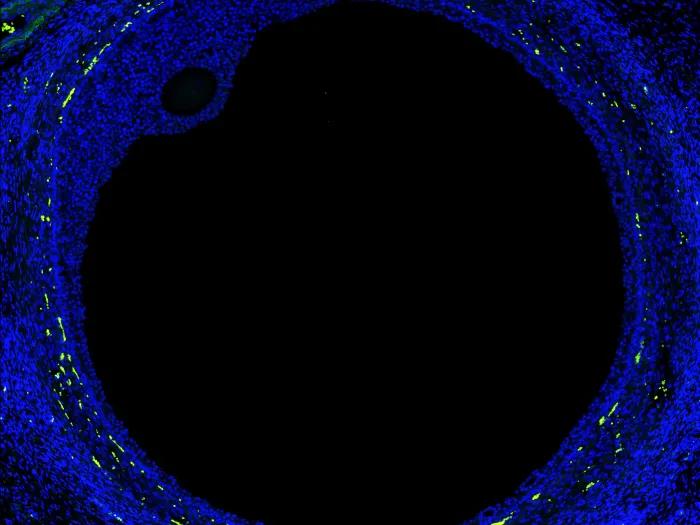
Spatial atlas of the human ovary with cell-level resolution will bolster reproductive research
New map of the ovary provides a deeper understanding of how oocytes interact with the surrounding cells during the normal maturation process, and how the function of the follicles may break down in aging or fertility related diseases.
Health Lab
Lipid mediator Maresin 1 helps improve muscle regeneration
How lipid mediators -- potent regulators of the immune response after an injury -- varied with the acute loss of a large volume of skeletal muscle, also known as volumetric muscle loss (VML) is the focus of new research from the University of Michigan.
Medicine at Michigan
The Promise and Progress of 3D Printing
3D printing makes personalized devices and models possible
