
More articles about: Occupational Health

Health Lab
For scleroderma research, patients seen as essential co-creators
As scleroderma research moves forward, involving patients with scleroderma in clinical trials can give researchers insight into what is most important for patients living with the condition.

Health Lab
Helping traumatic brain injury patients recover through a team-based approach
A rehab specialist discusses how traumatic brain injury patients are supported through their recovery journey with a team-based approach, the short term and long term goals of rehabilitation, and more.

Health Lab
Working later in life linked to positive health impacts
People over 50 who work say having a job aids their mental and physical health, but disabilities, caregiving and other issues act as barriers to working for many, including those who aren’t working but aren’t yet retired.
Health Lab
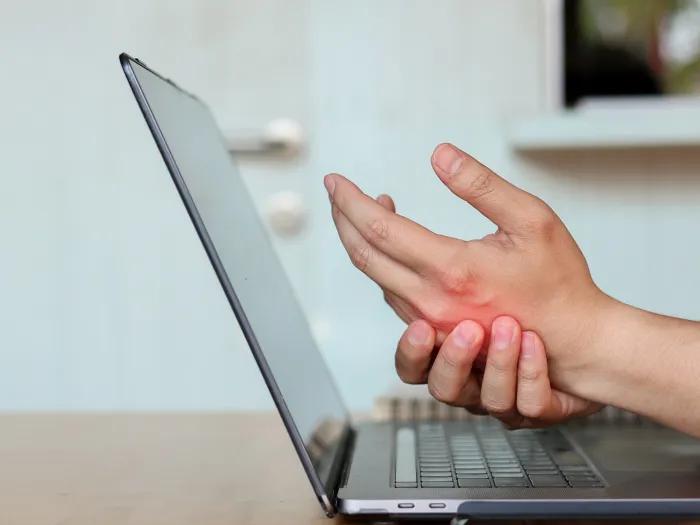
Work-related nerve injuries are common with repetitive motions
Investigators from Michigan Medicine set out to better understand more about occupational nerve injuries.
Health Lab
Managing scleroderma symptoms through a team approach
Research published in the Arthritis Care and Research Journal from Michigan Medicine found that scleroderma patients made significant strides when working with trained peer health coaches in adhering to wellness routines, leading to resilience and improvements in fatigue, pain and depressive symptoms.
Health Lab
Drawing a tube of blood could assess ALS risk from environmental toxin exposure
Investigators have developed an environmental risk score that assesses a person’s risk for developing ALS, as well as for survival after diagnosis, using a blood sample.
Health Lab
In academic hospitals, study finds these groups disproportionately affected by workplace mistreatment
A study finds that women, racial and ethnic minorities, and individuals identifying as lesbian, gay, bisexual, transgender and queer are disproportionately affected by workplace mistreatment in academic medicine, and this mistreatment negatively impacts their mental health.
Health Lab
Wheelchair basketball player holds court with U-M men’s team
Rollverines team helps build strength, confidence for those unable to play able-bodied basketball.
Health Lab
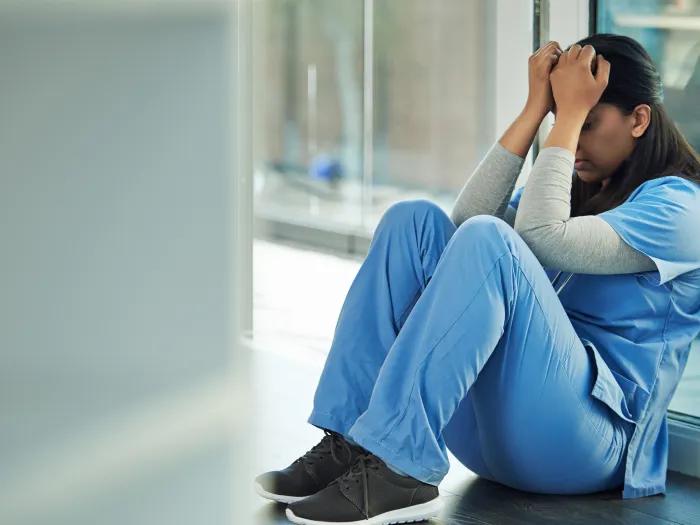
Study in residents shows high prevalence of sexual harassment, yet low reporting rates
Research reveals that one in four women among internal medicine residents experiences sexual harassment, but far fewer go on to report it.

Health Lab
The pandemic solution many still refuse to accept
Those opposed to COVID-19 vaccinations continue to put our health systems and the public in danger.

Health Lab
Early result acceptance programs could bring innovative change to medical residency applications
Matching with a residency program can be stressful and costly for medical students. Two experts share findings on how ERAPs could lift some pressure from Match Day for future doctors.

Health Lab
Among physicians, men make more than women. How do we change that?
A new perspective looks at the built-in bias within the factors that drive physicians’ salaries and makes recommendations for how institutions can close the gap.
Health Lab
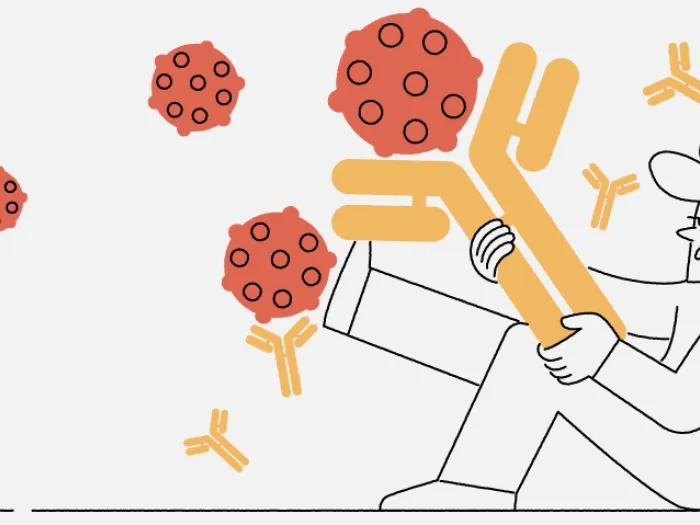
COVID-19 antibodies persist, reduce reinfection risk for up to six months, study finds
The antibodies ability to neutralize COVID-19 did not differ significantly over the six-month period.

Health Lab
‘Seizing a disruptive opportunity’ to improve gender equity in medicine
Women have borne a disproportionate burden during the COVID-19 pandemic, and women in medicine are no exception. Can we seize this disruptive opportunity to improve gender equity in medicine?

Health Lab
Older Adults with Cerebral Palsy Need More, Receive Less Physical Therapy for Painful Medical Conditions
The findings reveal a significant burden on a clinically underserved population.
