
More articles about: Geriatric Psychiatric Treatment

News Release
U-M Board of Regents approves new behavioral health, ambulatory surgery centers at UM Health-Sparrow
The University of Michigan Board of Regents today approved two projects that will improve access to much-needed mental health resources and create a lower-cost setting for certain surgical procedures in mid-Michigan.

Health Lab Podcast
Hospice Patients with Dementia Face Higher Risk from Certain Prescriptions
A study of those prescribed benzodiazepines or antipsychotics after hospice enrollment highlights two hospice policy issues.

Health Lab
How to help someone, or yourself, in a mental health crisis
Mental health crisis care options have grown, from the 988 suicide lifeline to behavioral health urgent care, partial hospitalization and more, as this explainer of care levels describes.
Minding Memory
Understanding Dementia Risk Factors with Helen C. Kales, MD
In this episode, Matt & Lauren have the unique opportunity to talk with Dr. Helen C. Kales, a geriatric psychiatrist and health services researcher who has participated in the previous Lancet Commissions on Dementia Prevention, Intervention and Care – including the most recent one released in 2024. Dr. Kales discusses how the commission puts together all the evidence to make recommendations that can play a crucial role in dementia prevention. Dr. Kales is the Chair of the Department of Psychiatry and Behavioral Sciences and Joe P. Tupin Professor of Psychiatry at the University of California at Davis and has dedicated much of her career to improving the lives of patients living with dementia.

Health Lab
Brain network study reveals clues about dementia’s behavior changes
Dementia doesn’t just erode memory – it also changes behavior and mental health. A new study shows the brain’s salience network and tau protein may be involved.

Health Lab
Unlocking the secrets of SuperAgers
People in their 80s and 90s with cognitive abilities similar to much younger people, called super agers, are taking part in a national study of their brain health.
Health Lab
8 ways older adults can reduce loneliness and social isolation
Two Michigan Medicine doctors share 8 ways older adults can combat loneliness and social isolation.
Health Lab
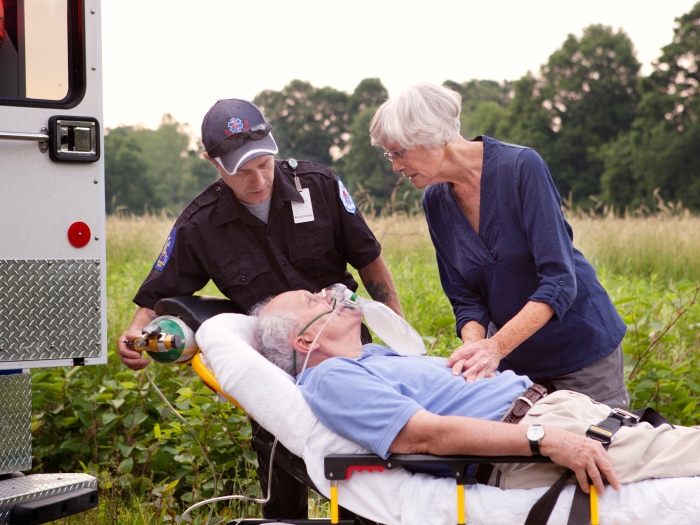
Dementia becomes an emergency 1.4 million times a year
People with Alzheimer’s and other forms of dementia account for a large percentage of emergency visits by older adults, but some of those crises could be prevented.
Health Lab
Good news, bad news on risky medication use in nursing homes
The VA’s efforts to reduce use of risky antipsychotic medications in its nursing homes succeeded – but use of other medications with less evidence behind them rose.
Health Lab
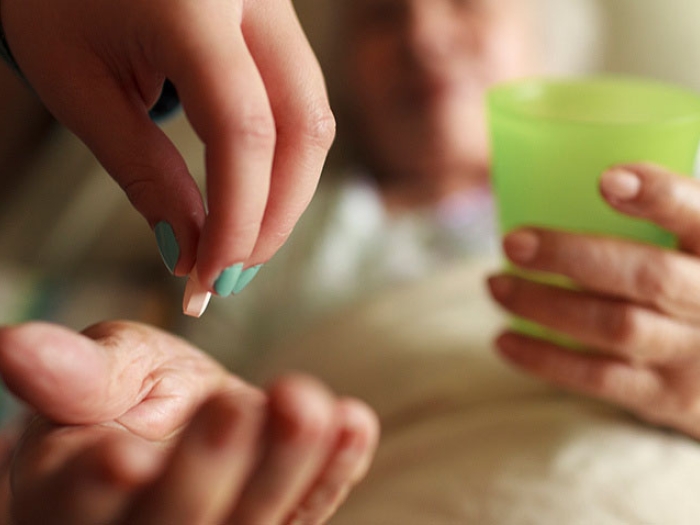
Hospices vary widely in prescribing “comfort kit” medications
Hospices often prescribe medicines like Xanax, Haldol and Seroquel to patients to ease end-of-life symptoms, but a new study shows very wide variation in the chances patients will get these drugs.

Health Lab
Most older adults support steps to reduce firearm injury risk
Gun owners and non-firearm owners over 50 agree with measures to reduce firearm injury and death, including suicide, and accidental shooting. But many gun owners don’t practice safe storage even if children are in their home, the study shows.
Health Lab
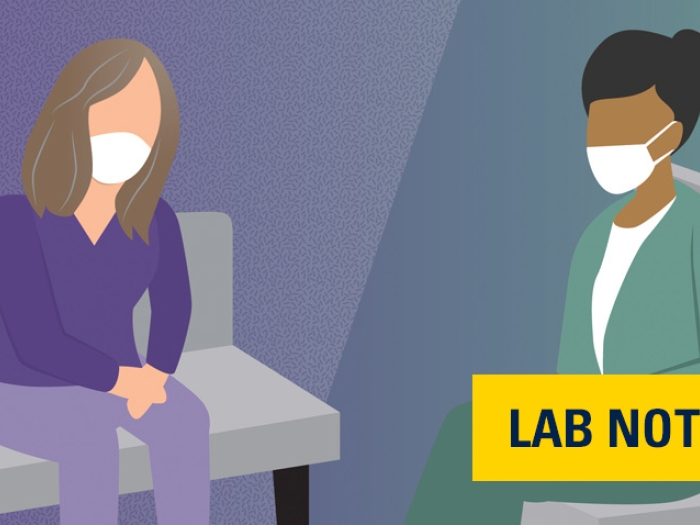
Study suggests need to screen older adults for mental health symptoms as pandemic continues
Living through COVID-19 era has tested the mental resiliency of many older Americans; some groups appear more affected than others.
Health Lab
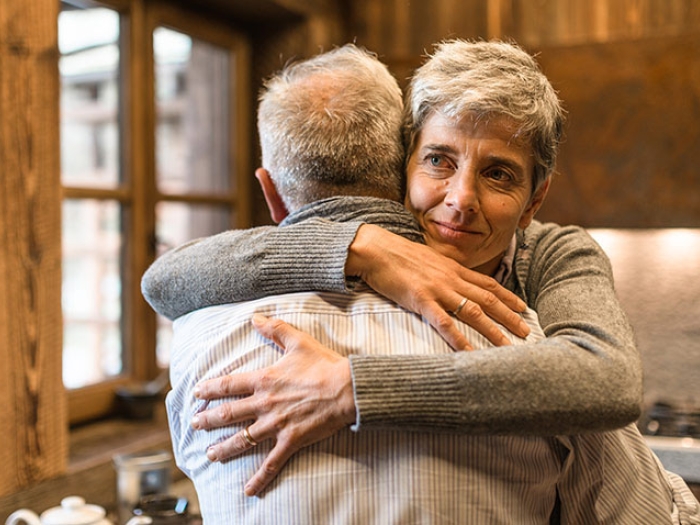
Pandemic Worsened Many Older Adults’ Mental Health and Sleep, Poll Finds, But Long-Term Resilience Also Seen
Many older adults say the pandemic has affected their mental health, including depression, anxiety and sleep problems. But most say they would be willing to seek care if they needed it.
Health Lab
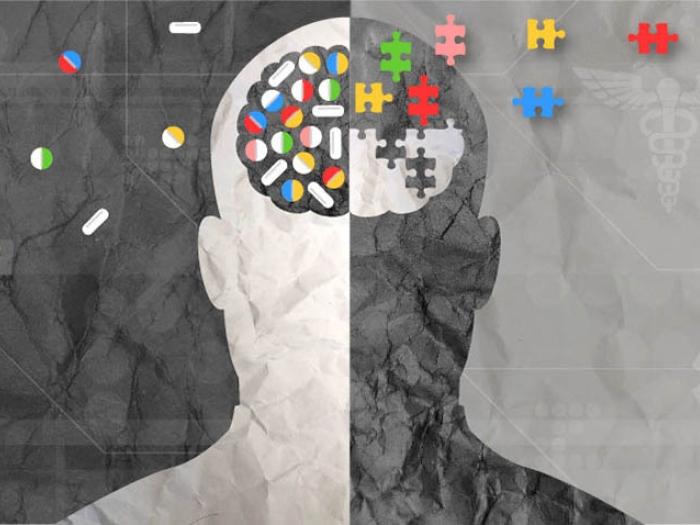
Troubling Trio: Many with Dementia Take Risky Combinations of Medicines
People with Alzheimer’s and other forms of dementia often receive medications for depression, anxiety, agitation, sleep problems, apathy and other behavioral issues. But combinations of three or more can be dangerous.

Health Lab
These Drugs Carry Risks and May Not Help, But Many Dementia Patients Get Them Anyway
From opioids and antipsychotics to antidepressants and anxiety medicines, study looks at prescriptions among community-dwelling older adults with dementia.
