
More articles about: Ear, Nose & Throat
Health Lab
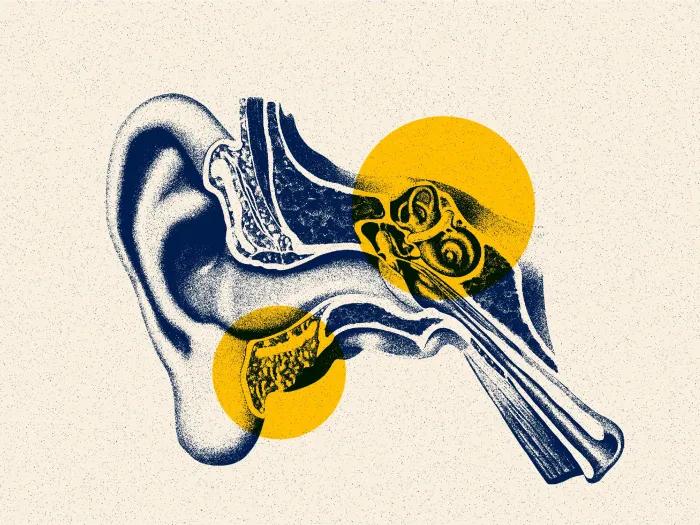
Human ability to focus on specific sounds not found to originate in auditory nerve, brainstem
Michigan Medicine research illuminates the mechanisms through which humans can pick out and focus on single sounds in noisy environments.

News Release
U-M Health’s Ann Arbor hospitals recognized as No. 1 in Michigan, among best in nation by U.S. News & World Report
University of Michigan Health’s Ann Arbor adult hospitals were ranked best in Michigan and in the top 20 in the nation by U.S. News & World Report Best Hospitals rankings for 2025-2026.
Health Lab
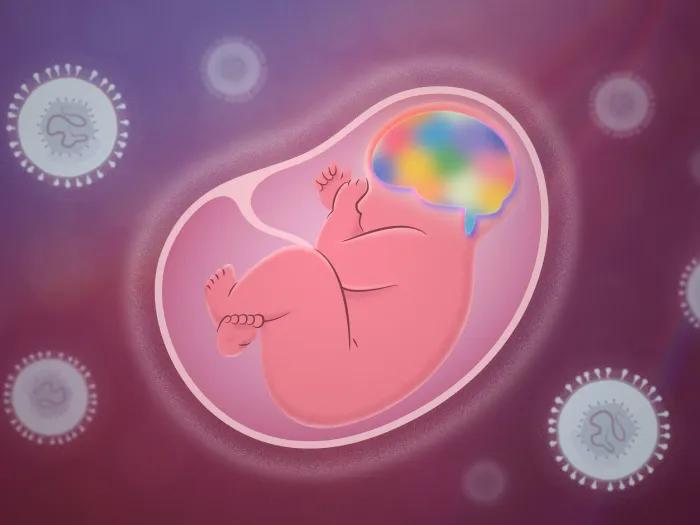
Uncovering the link between a common congenital viral infection and autism
Children who contracted a viral infection known as congenital cytomegalovirus in utero may be nearly two and half times more likely to be diagnosed with autism, a study suggests.
Health Lab
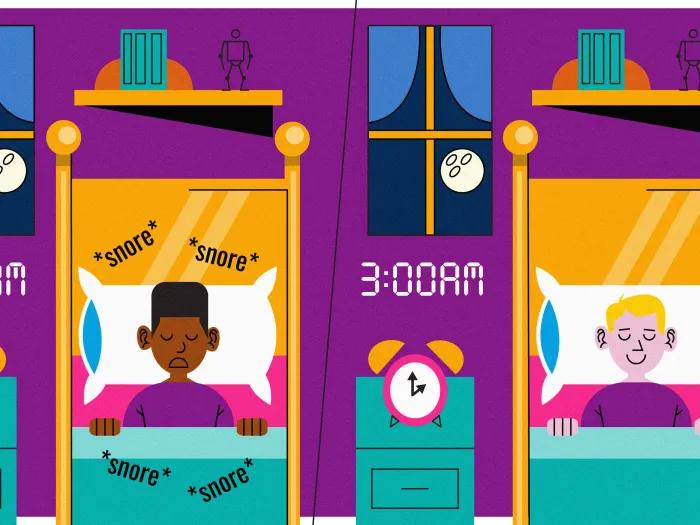
Sleep apnea disparities in kids: Obesity may override impact of race, socioeconomics
As researchers explored potential reasons behind racial disparities in treatment outcomes for children with severe sleep apnea, they were expecting to find the answer in socioeconomic factors. But they were surprised to learn that when one risk factor – obesity – was taken out of the equation, race was no longer associated with worse post-surgery outcomes for obstructive sleep apnea.
Health Lab
Study shows promising treatment for tinnitus
Tinnitus, the ringing, buzzing or hissing sound of silence, impacts 15% of adults in the United States have tinnitus. A recent study from researchers at the University of Michigan’s Kresge Hearing Research Institute suggests relief may be possible with treatment.
Health Lab
How a single protein can slow down age-related hearing loss
Study suggests that the overexpression of cochlear neurotrophin-3 can help prevent the loss of hearing.
Health Lab
Should you get an over-the-counter hearing aid or see a hearing specialist?
Audiology expert provides insights on the new FDA regulation.

Health Lab
Winning by default: Tonsillectomy study shows power of pre-set opioid Rx size
Tonsillectomy pain is often treated with opioids, but leftovers can be a risk factor for misuse or abuse. Reducing the default prescription size in hospital computer systems could help right-size pain control.
Health Lab
How to prevent hearing damage
An audiologist’s advice on how best to avoid preventable hearing loss.
Health Lab
How the expression of one small protein helps the brain process sound
Michigan Medicine researchers investigating the role of neuropeptide Y in auditory function identified the first distinct class of “inhibitory neurons” in the inferior colliculus (IC) in mice, inspiring future research.

Health Lab
Study: Half of pediatric opioid prescriptions are “high risk”
The top 5% of prescribers account for half of opioid prescriptions and high risk prescriptions to children and young adults.
Health Lab
Better Balance, Speech and Hearing: What You Need to Know
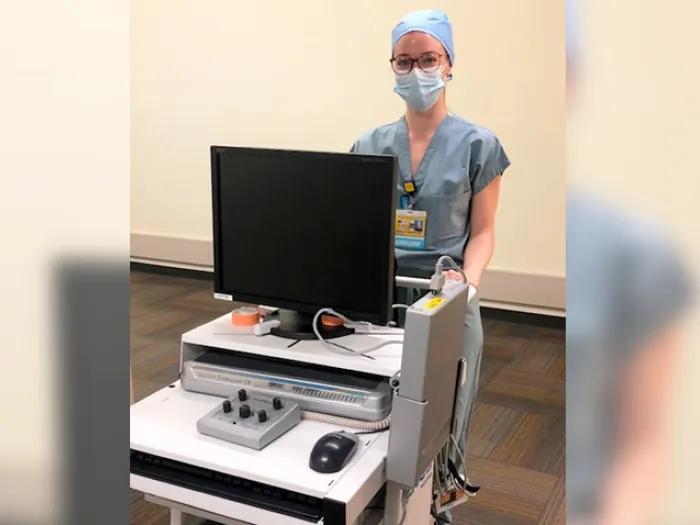
Audiologists can help with more than your hearing; they can also help with better speech and balance for children and adults.

Health Lab
LGBTQ+ Health: A Collaborative of Care
Michigan Medicine experts share how their work is contributing to gender-affirming and other forms of equitable health care for the LGBTQ+ community.

Health Lab
Most Older Adults, Especially Women, Haven’t Gotten Checked for Hearing Loss
Hearing loss often goes undetected, but many adults over 50 haven’t been screened or tested for hearing problems.
Health Lab
How a Field Clinic Improved Hearing Loss in an Amish Community
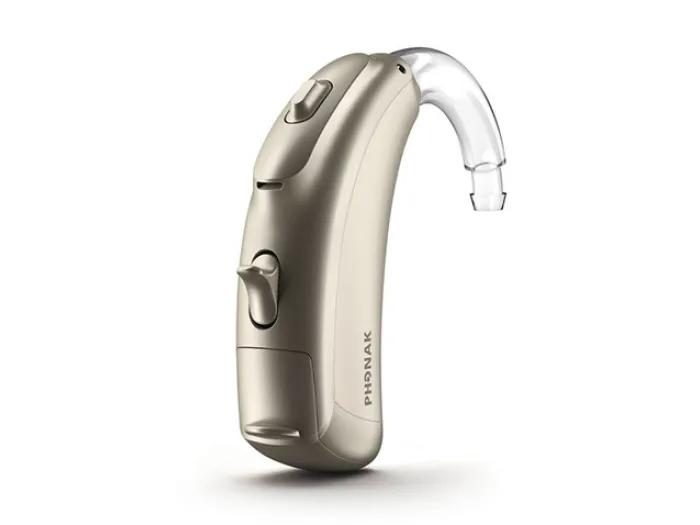
Through a field clinic, a Michigan Medicine team brings hearing health services to an Amish community.
