
More articles about: Digestive Health
Health Lab
IBS treatment response predicted by gut microbiome in new study
A Michigan Medicine study finds the low FODMAP diet and the antibiotic rifaximin provided similar and significant relief for patients with irritable bowel syndrome with diarrhea (IBS-D).

Philanthropy News
Family that overcame Crohn’s supports research for future patients
Kripke family gift supports Chron's disease research at Michigan Medicine. This gift will advance pediatric medical research and patient care at U-M.

Health Lab
Evolutionary insights into the development of the human intestine
An international research team finds that the human gut is a site of rapid change, with recent and important deviations from other mammals.

Health Lab
Low FODMAP diet improves leaky gut in study
In a new study, patients with irritable bowel syndrome with diarrhea, or IBS-D, who went on a low FODMAP diet saw an improvement of colonic barrier dysfunction, commonly known as “leaky gut.”
Health Lab
When to use an at-home colorectal cancer screening test instead of a colonoscopy
What to know about an at-home colorectal cancer screening test versus a colonoscopy.
Health Lab
Can personalized care prevent overscreening for colorectal cancer in older adults?
Study reveals presenting adults between 76 and 85 with personalized information about the benefits and harms of colon cancer screening decreases excess screening
Health Lab
Overcoming alcohol-related liver disease
Alcohol-related liver disease is becoming more common in younger people, as 38-year-old Sara Nabors learned first-hand. Through innovative care from Michigan Medicine experts, she has taken her life back.

Health Lab
From the ICU to Ironwoman
A bowel obstruction landed Laurie Svoboda in the intensive care unit. Here are the eight things that helped her compete in an Ironman race less than four months later.

Health Lab
Feeling anxious? Try this breathing technique
Diaphragmatic breathing exercises are an effective tool for mental health and cultivating a healthy brain-gut connection. Dr. Megan Riehl explains and demonstrates the proper technique.

Health Lab
Is Stress from COVID-19 Upsetting Your Stomach? 7 Self Comfort Tips to Try
Increased stress and anxiety are directly linked to digestive discomfort. Learn about the brain-gut connection and how to lessen the symptoms.

Health Lab
The Brain-Gut Connection: A Path to Wellness Through GI Hypnosis
The gut-brain axis illustrates the reciprocal nature of our physical health affecting our mental health, and vice versa. Through GI hypnosis, one Michigan Medicine doctor is helping patients navigate the gut-brain connection.
Health Lab
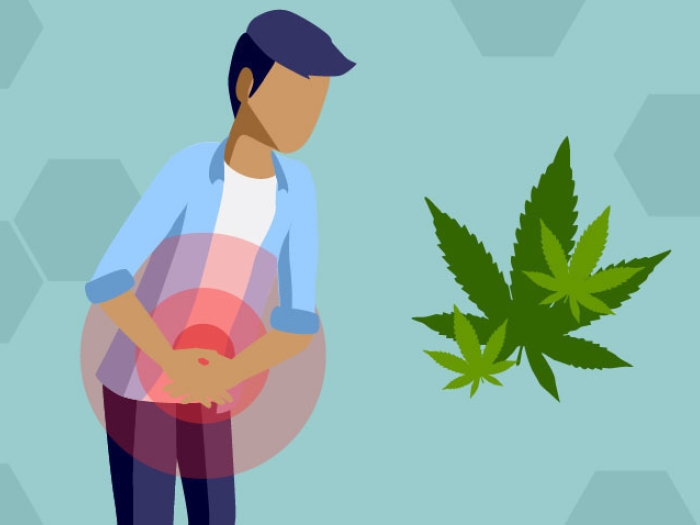
Cannabis for Treating IBD: Hope or Hype?
For patients with IBD, medical marijuana may be used as a potential therapy to manage symptoms, but it may not work for everyone. A gastroenterologist breaks down what we know so far from studies.

Health Lab
New Clinic Promotes Shared Care to Treat Alcohol-Related Liver Disease
The facility offers multiple types of medical care, all under one roof — and during the same appointment. Learn more about the unique treatment model.

Health Lab
Why Shame Keeps Patients from Alcohol Use Disorder Treatment
Fear of public embarrassment and career repercussions prevent many from seeking help, a new study finds. Experts discuss how to break the cycle.

Health Lab
Doctors Are Seeing More Alcoholic Liver Disease in Young Adults
Alcohol use disorders have also increased over the last decade, with an 80 percent spike among women.
