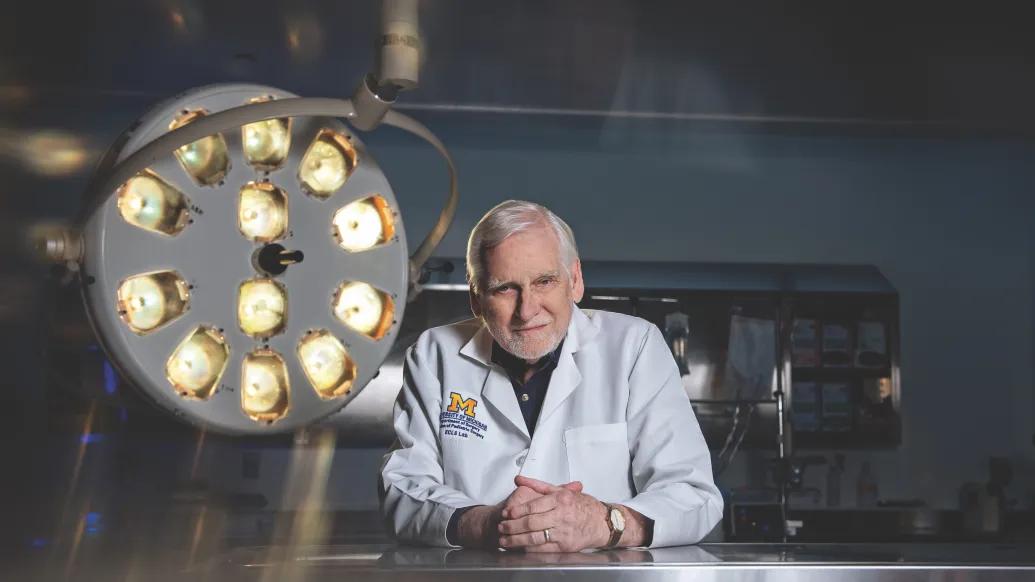
At 85, Robert Bartlett is not really retired. His official title is professor emeritus of surgery, but he has never stopped working in his lab, where he and his research team are now developing the next generation of life-support devices.
“What we work on in the lab might be clinical in 5-10 years, like wearable artificial lungs,” he says. The team is also working on artificial placentas, ways to keep organs alive outside the body for days, and making plastic that will not cause blood clotting. “All of the extracorporeal devices are made of one type of plastic or another and so they all require anticoagulation.”
Bartlett is perhaps best known as the “father of ECMO,” but long before developing extracorporeal membrane oxygenation, he was developing his skills on the ice. “I wanted to be a professional hockey player, but I could see that wasn’t going to work. And then I thought about being a professional musician.”
Bartlett never went pro, but he plays the bass violin and the euphonium in the University of Michigan Life Sciences Orchestra. As for hockey, Bartlett played in undergrad at Albion College and found local teams during his residency in Boston and his time at the University of California-Irvine.
“They all played at midnight, which is great for a surgeon, because nothing else was going on, and we couldn’t sleep anyway,” he says.
When he returned to Michigan, Bartlett started a team called Hockey Docs. “It was all medical students who were very good hockey players. Some had played in college or were semi-pro,” he says. He played until age 50, when he got a hip replacement.
The story of ECMO began in 1965 when Bartlett was a surgery resident at Boston Children’s Hospital. Bartlett worked under Robert Gross, M.D., who was chief of surgery there and a leader in pediatric heart surgery. The heart-lung machine, which itself was a new device at the time, made pediatric heart surgery possible, but it was time limited. If it was used for more than an hour it caused lethal blood damage.
“I proposed to Dr. Gross we could build a membrane oxygenator, and he said, ‘Good! Why don’t you work on that,’ and I’ve been working on it ever since.
“We realized that if we used a membrane oxygenator we could manage extracorporeal circulation for days at a time. Once you can do that, then you can apply it to heart failure, lung failure, and chronic kidney failure.”
Bartlett says it’s now standard practice to put patients with severe heart and lung failure who are not responding to conventional treatment on ECMO. It has also been used to treat thousands of the most severe cases of COVID-19.
The U-M Department of Surgery says Bartlett is the prototype surgeon-scientist. His research has been supported by the National Institutes of Health for 56 years. His work has been recognized with the American College of Surgeons Jacobson Award, the Medallion for Scientific Achievement from the American Surgical Association, and lifetime achievement awards from the American Academy of Pediatrics, the American Society for Artificial Internal Organs, and the Society of Critical Care Medicine.
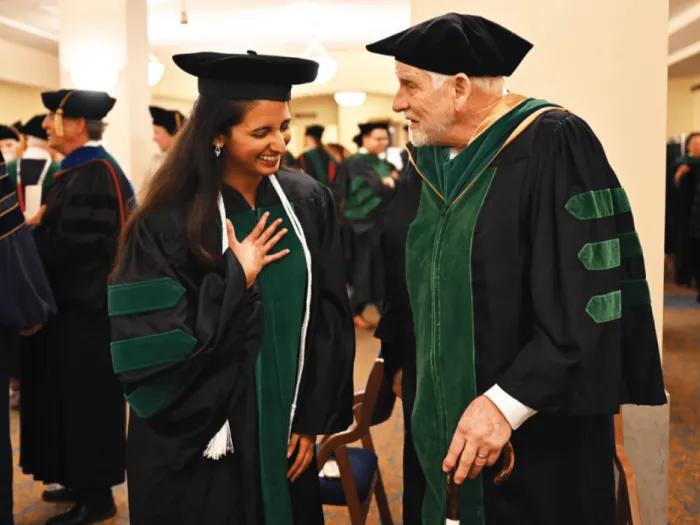
ECMO has helped more than 200,000 patients around the world. One of those patients is Hannah Abraham (M.D. and Ph.D. 2023), who was born with her umbilical cord wrapped around her neck. Close to asphyxiation, she was airlifted to C.S. Mott Children’s Hospital and placed on ECMO. Bartlett directed the care team that saved her life.
“Eighteen years later she showed up to study bioengineering at U-M and worked in my lab for a while,” Bartlett says.
When Abraham began medical school in 2015, Bartlett presented her with her white coat. In 2023, he handed Abraham her diploma. Bartlett says she and many of his ECMO patients have remained friends of his.
Related
Medical School graduate marks another milestone with the ECMO legend who helped save her life
Featured News & Stories
Robert H. Bartlett, ‘Father of ECMO,’ dies at 86
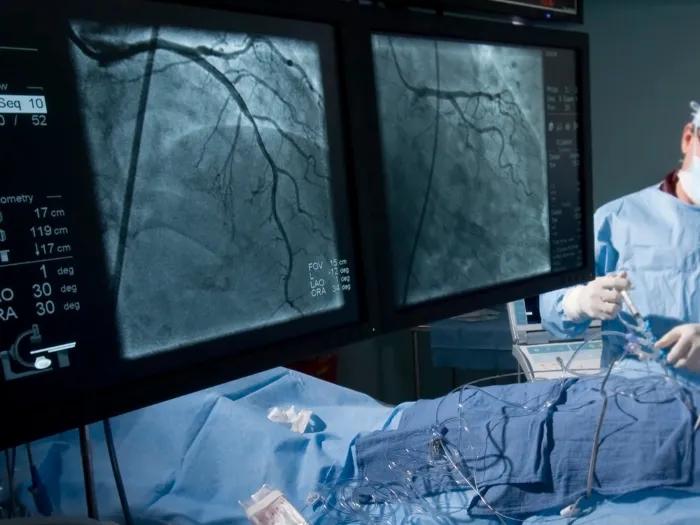
Researchers find significant differences in care of life threatening shock after heart attack
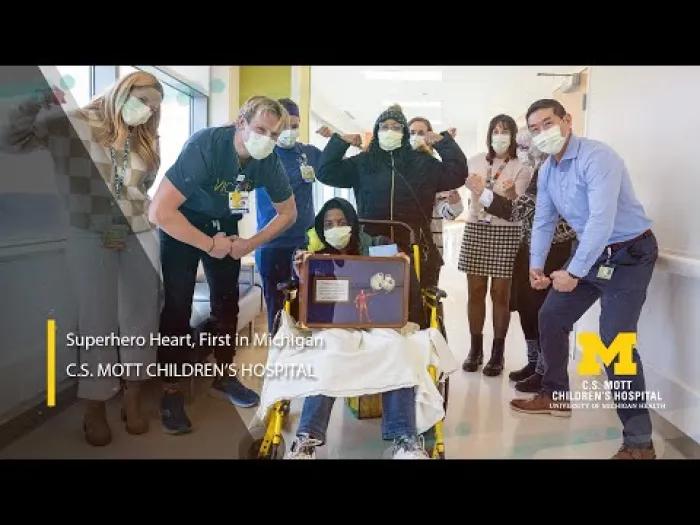
10-year-old becomes first child to receive total artificial heart in Michigan
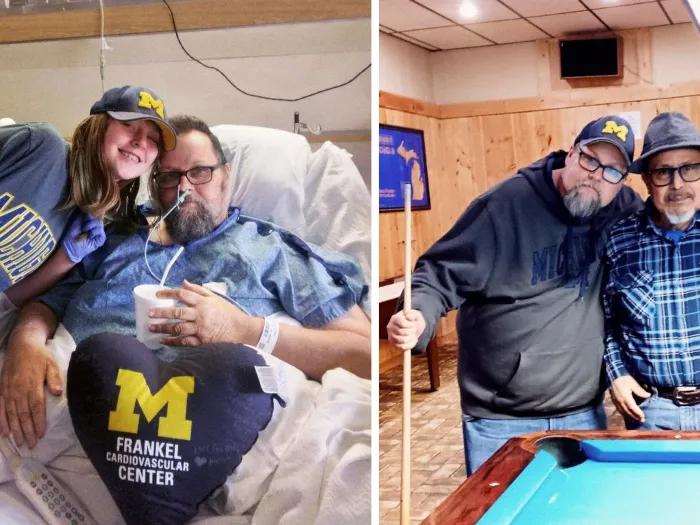
Complex procedure saves man on life support, reverses organ failure
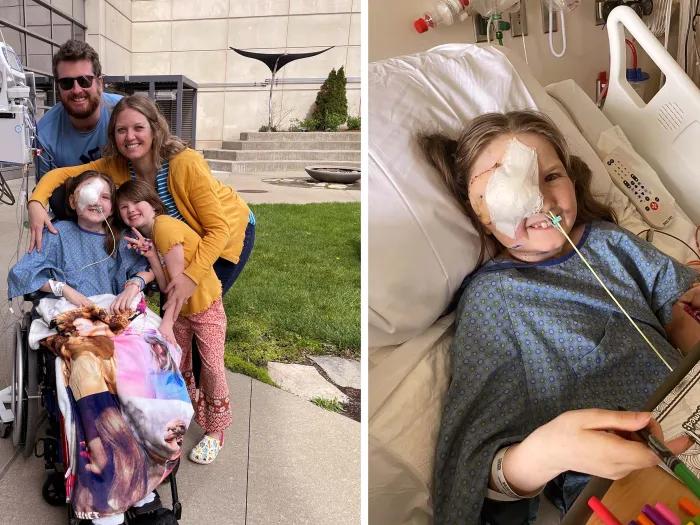
10-year-old “Swiftie” makes progress after septic shock