A. Oveta Fuller, Ph.D.
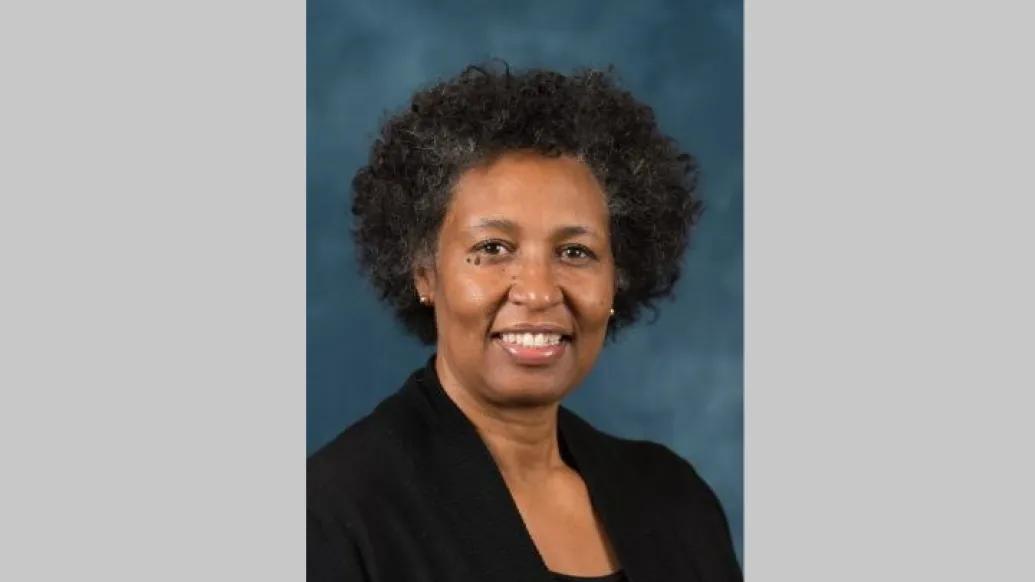
Almyra Oveta Fuller, Ph.D., associate professor of microbiology and immunology, died November 18, 2022, at age 67.
Fuller earned a Ph.D. from the University of North Carolina at Chapel Hill in 1983 and joined the Michigan Medicine faculty in 1988. Fuller was science advisor at the African Methodist Episcopal Church - Service and Development Agency for HIV and AIDS Prevention. Fuller was the associate director (2014- 16) and interim director (2016-17) of the African Studies Center at the U-M International Institute. She received many awards for her community engagement, including the Detroit-Windsor Metropolitan Council of Churches’ 2017 “Trumpet Award” for Excellent Service in Community Engagement and the 2022 Sarah Goddard Power Award from the U-M Academic Women’s Caucus.
Fuller was a distinguished virologist who focused her work on herpesvirus entry and pathogenesis and translational research for HIV/AIDS elimination. She was dedicated to global health and health equity interventions. For almost two decades, she worked with church leaders in Botswana, South Africa, and Zambia to develop and test a prevention model that engages clergy and faith leaders to address HIV/AIDS.
She was the first woman to receive tenure in the Department of Microbiology and Immunology, and she never stopped advocating for opportunities for women and trainees, especially from diverse backgrounds. She touched many lives through her classes, fieldwork, ministry, and service.
This obituary is based on one published by the Department of Microbiology and Immunology.
Featured News & Stories
Family’s gift honors wife and mother, supports nephrology nurses
Comprehensive DNA sequencing reveals hidden drivers of cancer

Who gets Alzheimer’s drugs? Race, vulnerability and health status shape access

U-M Board of Regents approves construction of Nathan and Catherine Forbes Sports Medicine Institute

Many older adults make Medicare decisions quickly and most don’t change plans, poll finds