In Memoriam: Minor Coon, Ph.D.
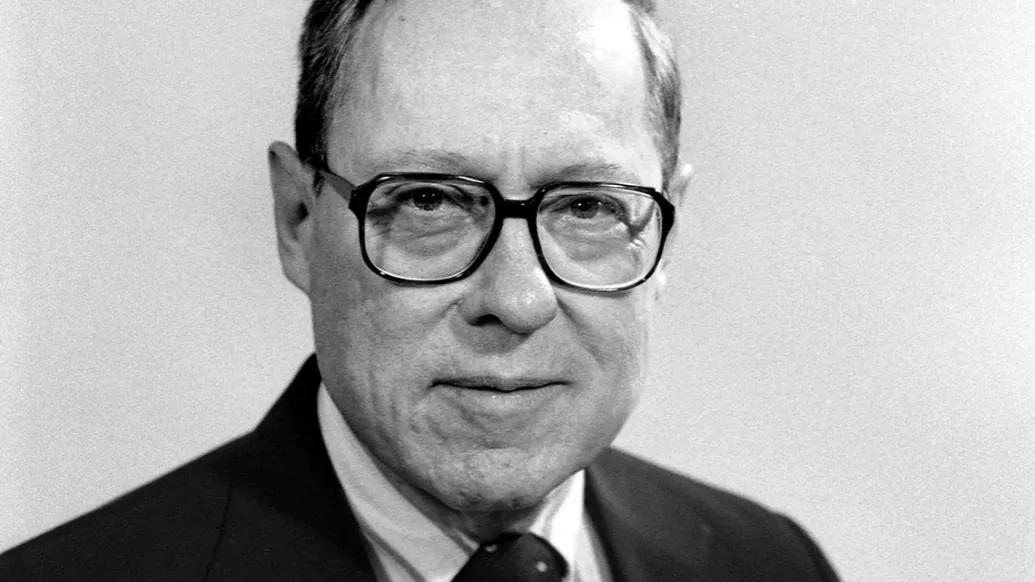
Minor Jesser "Jud" Coon, Ph.D., the Victor C. Vaughan Distinguished University Professor Emeritus of Biological Chemistry, died Sept. 5, 2018, at age 97. He began his career at U-M in 1955, serving as chair of the Department of Biological Chemistry for 20 years. Coon is best known for his pioneering work with the cytochrome P450 system. He initially isolated this compound, which has become known as the metabolism system for medications, hormones, toxins, and other substances.
Coon received many awards, including his election to the National Academy of Sciences in 1983 and the establishment of the Minor J. Coon Professorship in Biological Chemistry at U-M in 1991. That same year, he received an honorary doctor of medicine from the Karolinska Institutet in Stockholm. The International Conference on Cytochrome P450 was held in France in honor of his 80th birthday.
He was a generous mentor to many rising scientists over the years and was ahead of his time with his support for women in the sciences. The Minor J. and Mary Lou Coon Award is presented annually to the student at U-M in biochemistry who best exhibits excellence in research, teaching, and service. Coon retired in 2002.
This obituary was adapted from an article in the University Record.
Featured News & Stories
U-M Regents approve Michigan Medicine leadership changes
This “essential” nutrient likely has no health benefit
Michigan Medicine names Julie Ishak chief nurse and operations executive
Why chromium is considered an essential nutrient, despite having no proven health benefits

Nanoscale images of a blood clotting protein complex reveal a secret to the clotting chain reaction