Massive bruise was first clue to bleeding disorder
One patient's journey to a diagnosis of Von Willebrand disease
Author |
Wayne Sit suspected something was wrong after a casual race with an eighth grader at the school where he works left him with a giant bruise on the back of his leg.
Sit wasn’t surprised he had pulled a muscle. “I was kind of foolish ... thinking I could outrun him,” he recalls.
But it was disconcerting when his leg turned black and blue from the mid-thigh down.
Around the same time, Sit accidentally hit himself in the shin with a mallet while doing a home improvement project. Despite the minor trauma, there was major bleeding. Again.
But it wasn’t until he had surgery for a torn meniscus that things got serious. Sit says the procedure went well, but he had a lot of swelling. The health care team wanted to drain some blood.

“By then it was a little bit too late. My blood was starting to coagulate, and it wasn’t draining properly,” Sit says. After this experience, Sit’s primary care physician sent him for testing, and he finally got a diagnosis: Von Willebrand disease, a bleeding disorder in which the blood does not clot properly.
Sit finally understood why his body had reacted the way it did, and he could tell doctors in upcoming visits that he might need special medical treatment. But even with that knowledge, it took another life-threatening experience to get the care he needed.
Preparing for a routine tonsillectomy, Sit told his surgeon he had Von Willebrand disease, but Sit says the surgeon and a hematologist were confident there would be no issues.
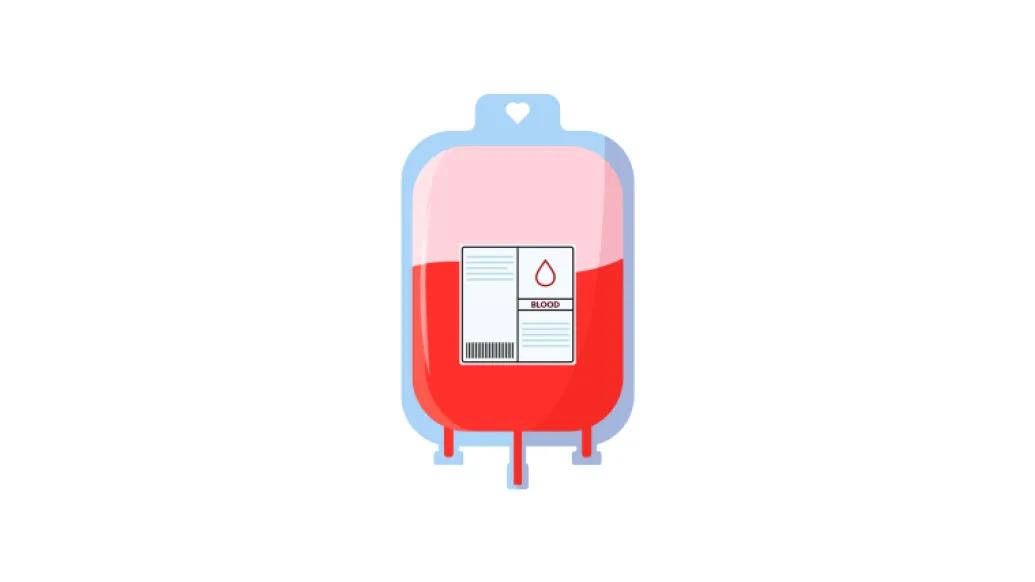
“It was a disaster,” Sit says. “I was out of work for almost three weeks. I just bled and bled. Eventually I had to get a blood transfusion.”
For a future procedure, Sit decided to come to University Hospital, one of the only hospitals in the region equipped to handle a patient with Von Willebrand disease. The Hemophilia and Coagulation Disorders Clinic at Michigan Medicine is able to create a certain drug that’s needed when patients with Von Willebrand undergo a procedure or experience trauma.
At Michigan Medicine, Sit feels like his medical needs are finally being met, and this relieves his anxiety about getting treatment.
“For the first time I feel like I’ve got people who understand how to handle this disease and how to treat it, and I’m so grateful for that.”
Should you get screened for Von Willebrand disease?
The National Bleeding Disorders Foundation lists the main symptoms to look out for:
- Frequent (more than five a year) nose bleeds that last longer than10 minutes
- Easy bruising, with bruises that are raised and larger than a quarter
- Excessive bleeding from an injury or after surgery or dental work
- Heavy or long menstrual bleeding (having to change one pad or tampon every hour or periods that last longer than seven days)
- Heavy bleeding during labor and delivery or after miscarriage
Featured News & Stories

LGBTQ+ Aging in America
12-year-old shares journey with sickle cell anemia on Capitol Hill

Michigan’s aging brains need more protection, poll shows
University of Michigan implants first-in-human Paradromics wireless brain-computer interface, designed to restore communication
Gifts advance colon cancer prevention and early detection