Lab of Opportunity

Students from the University of Puerto Rico’s storm-damaged campuses see biology through a new lens at U-M.

Author | Leisa Thompson

"Something I will carry with me dearly for the rest of my life (besides the amazing biology experiences) would have to be having the opportunity of meeting people from different cultures that share the same dream as I do, as well as getting the chance to meet the amazing members of the DFB team who gave us their time and dedication to make all of this happen for us students," says Grecia M. Alvarez Hernandez, a UPR student.
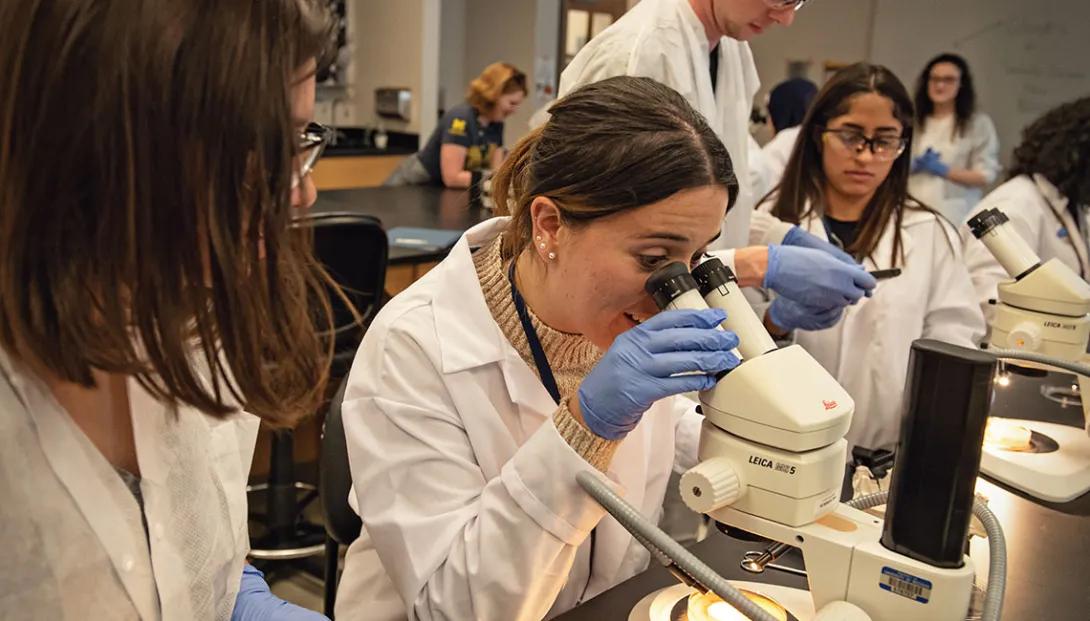
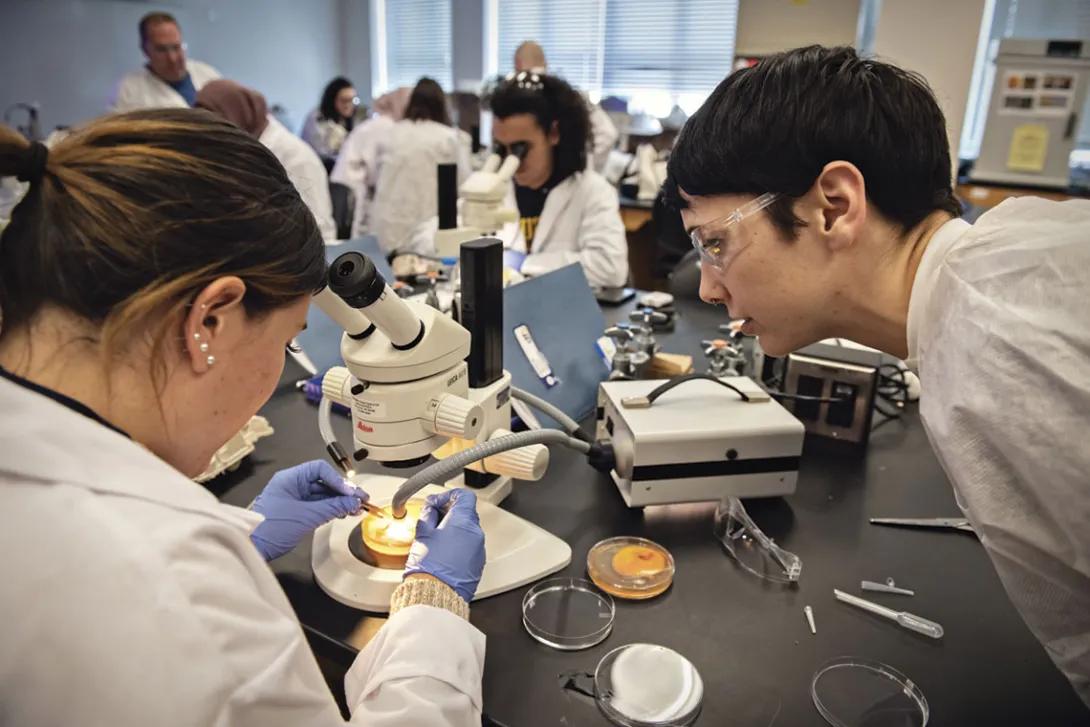
Grecia M. Alvarez Hernandez, a UPR student, shown here with fellow student Nayanna M. Mercado Soto (background); DFB instructor Emily Holloway, a Ph.D. student in U-M's Department of Cell & Developmental Biology (foreground); and Mike Scales, a Ph.D. student in Cell & Developmental Biology.

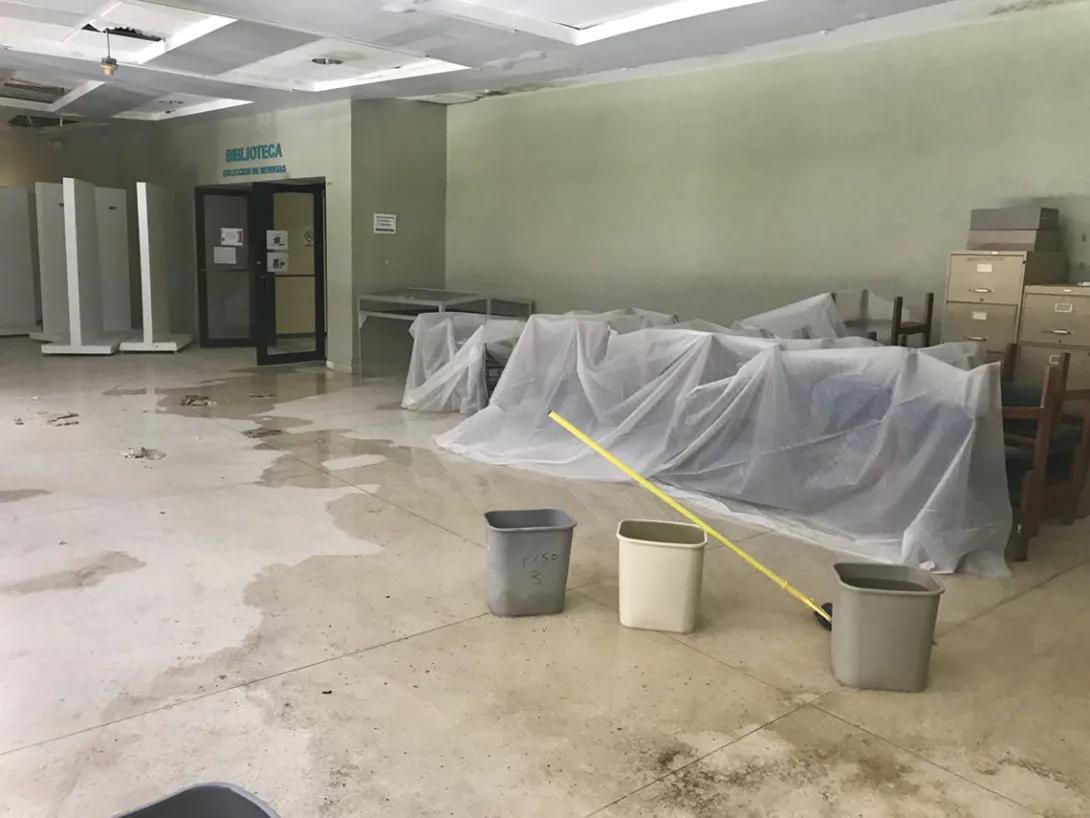
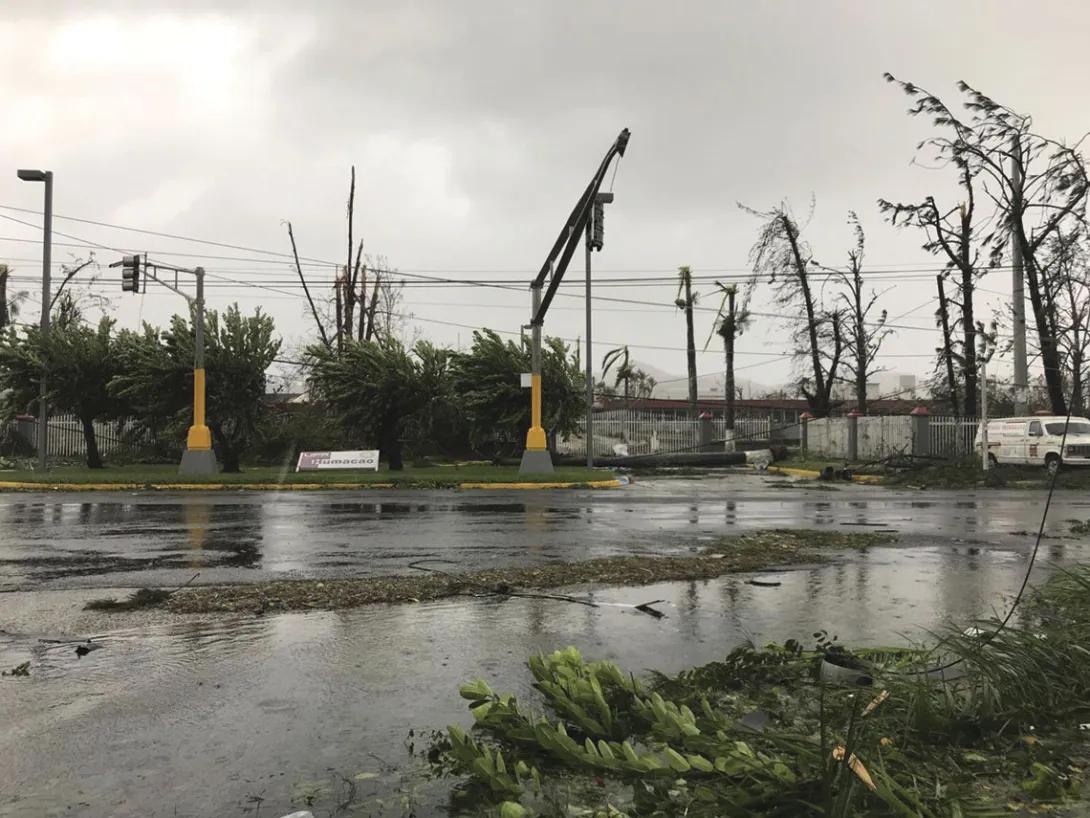
Grecia M. Alvarez Hernandez's studies at the University of Puerto Rico (UPR) inspired her career path to become a biologist, but studying at a university still ravaged by the lingering effects of Hurricane Maria has been challenging. "Our labs were the most affected of all in the science department, which has put me and my classmates behind in the learning process," she says. "We lost a great amount of materials in the lab. Our professors and the faculty have been doing their best in trying to make our learning process as normal as it can be, but it still has been a struggle to recover." 

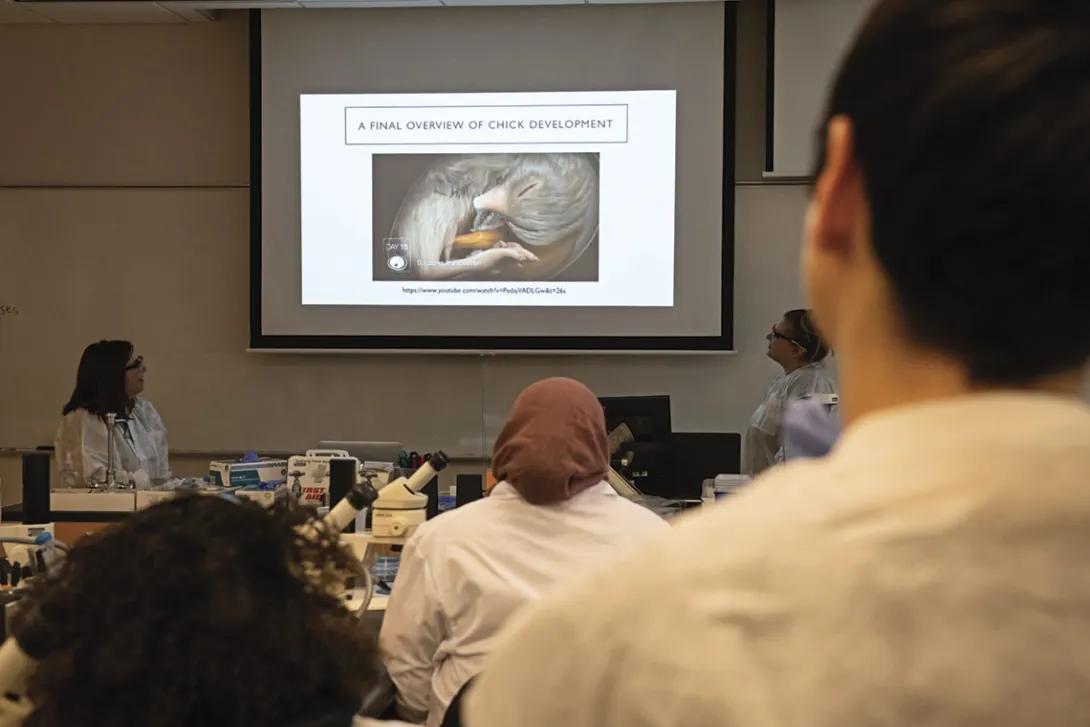
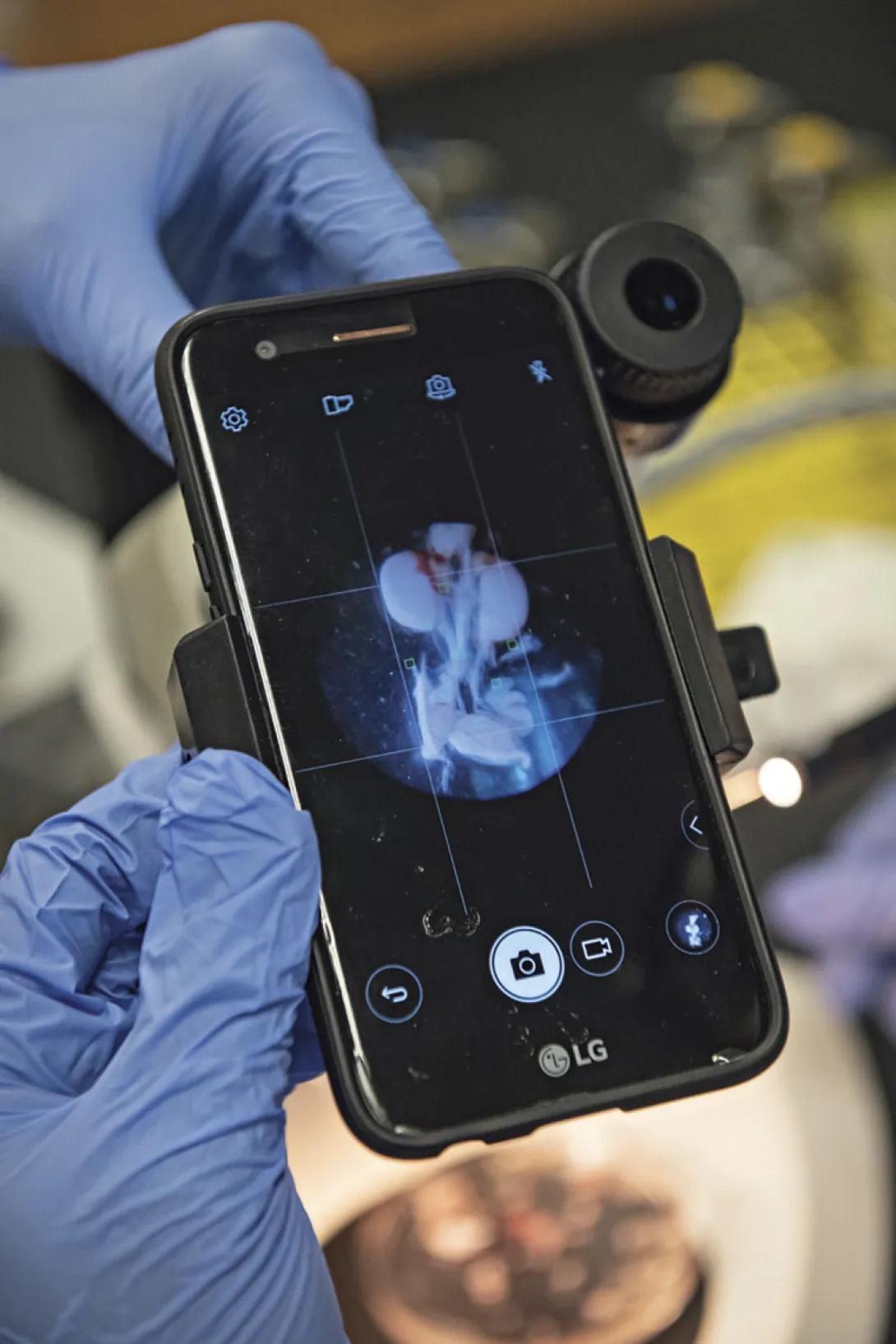
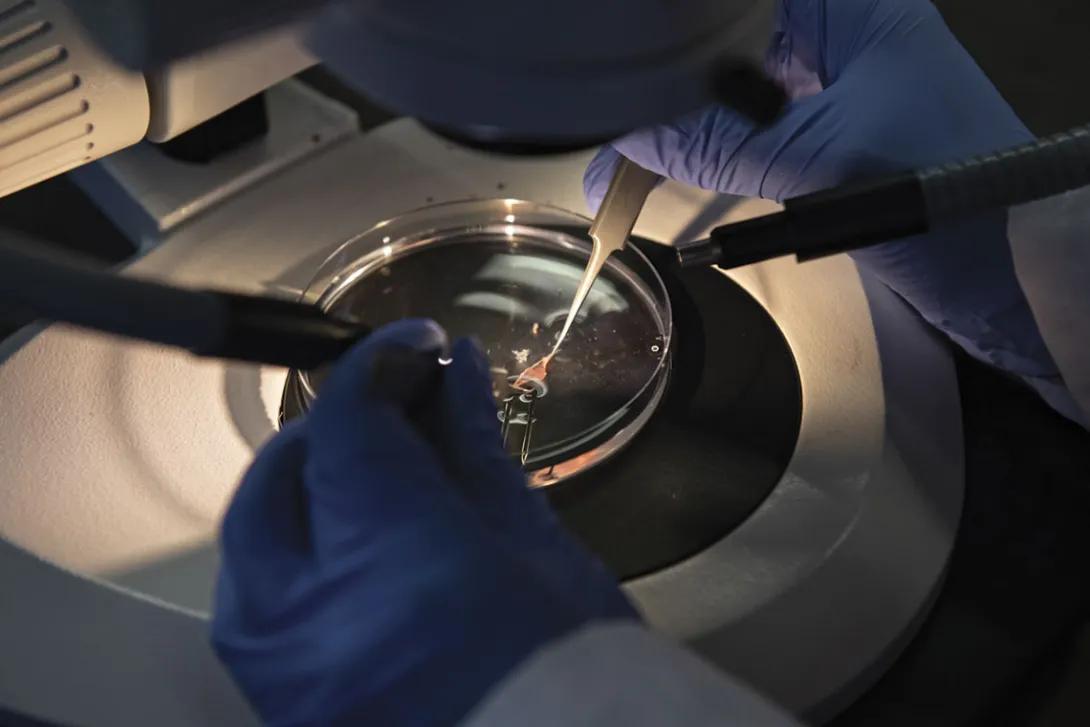
Then Alvarez Hernandez began her week of lab work at U-M in May, visiting as part of a program called Developing Future Biologists (DFB), a U-M graduate-student-led educational outreach organization. She dissected, windowed, and analyzed in state-of-the-art laboratories. Students from Michigan universities and from UPR attended the program, and many of them said the experience solidified their plans to earn advanced degrees in biology. 

"The opportunity has made my vision of what I see myself doing in the future less blurry," Alvarez Hernandez says. 

"In Puerto Rico, we don't get a lot of opportunities to work hands-on in a lab," says UPR student Nayanna M. Mercado Soto (pictured in the back of the photo at the top of the page). "After the hurricane, it was much worse because the materials we had for the lab courses got ruined and most of them had to be thrown away. We still struggle a lot with the electricity and water services, which doesn't help in making things easier back at home."

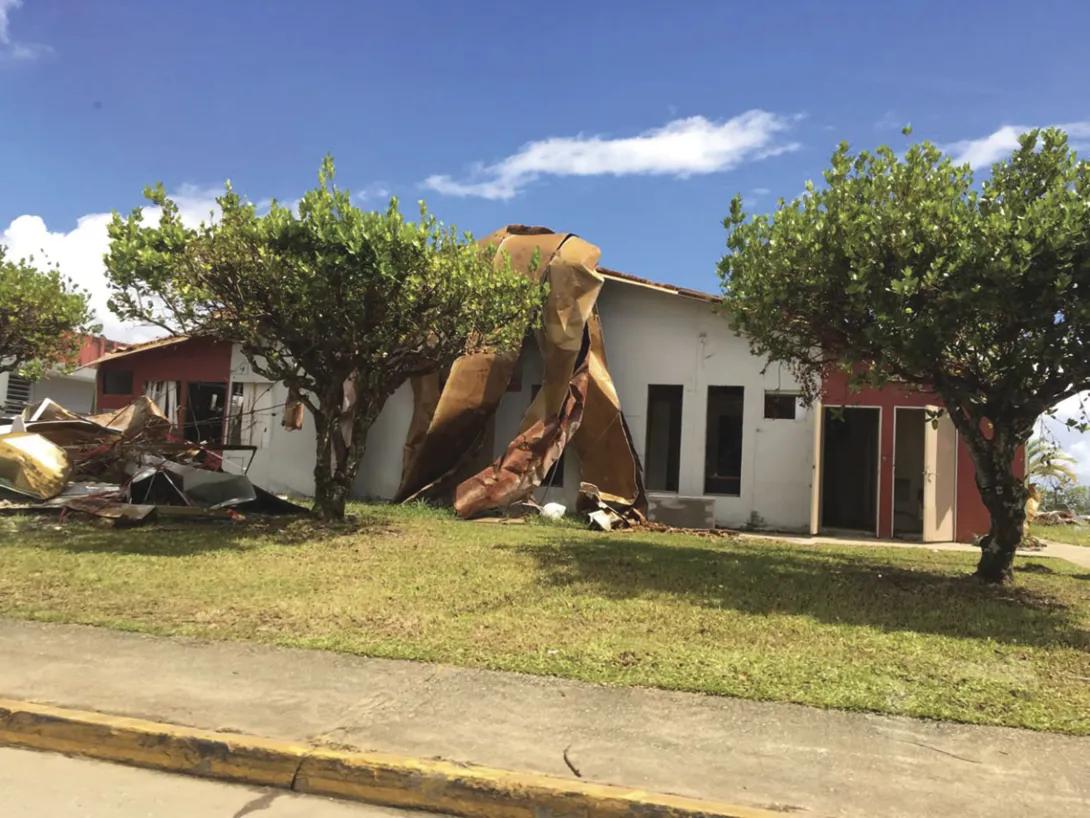
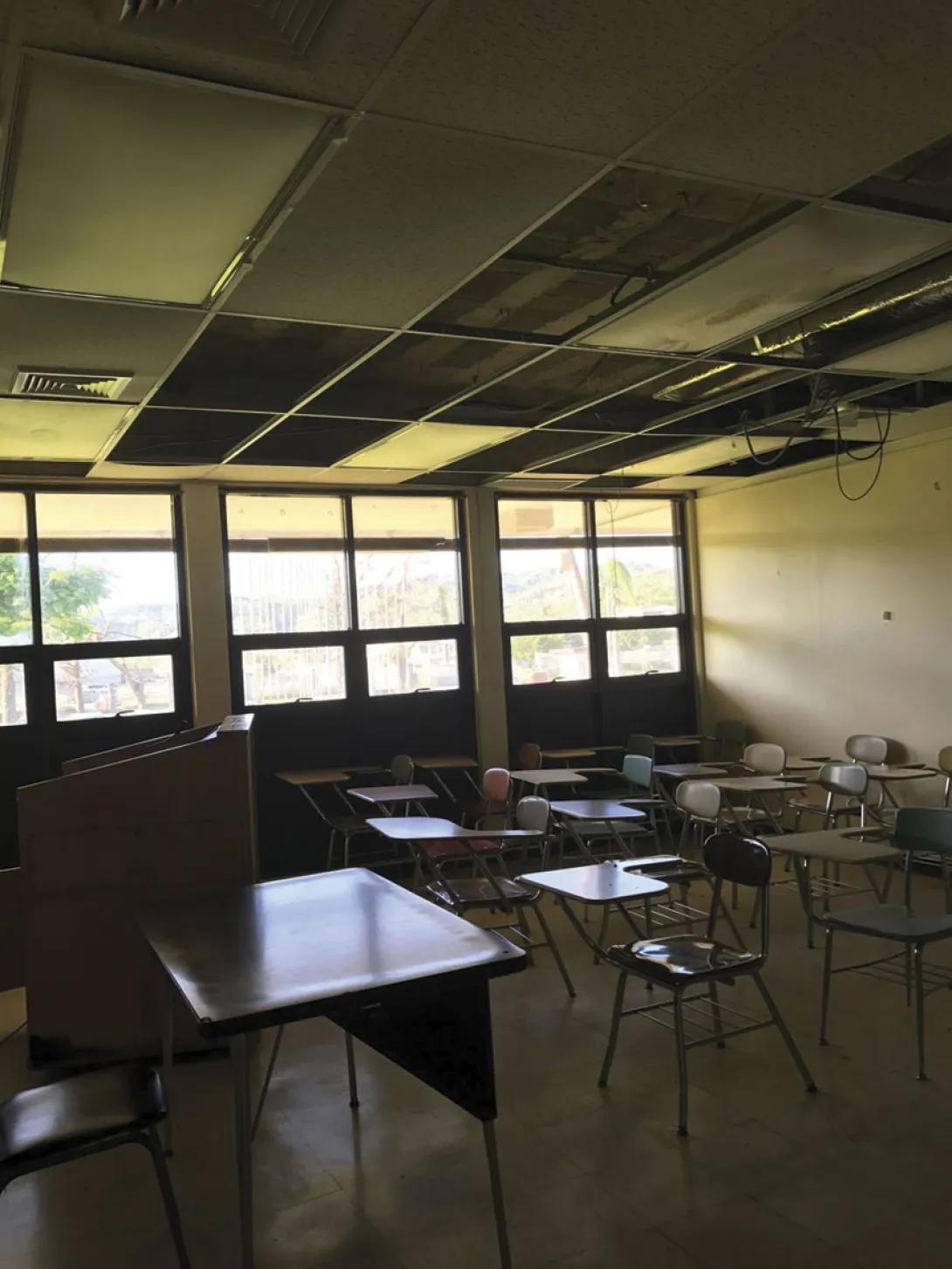
Lab spaces and buildings throughout the campuses of UPR were badly damaged during Hurricane Maria. Many labs continue to operate with reduced supplies and frequent power outages.

The students from UPR started their terms late because of continued effects of Hurricane Maria, and many were still in session at the time of DFB. Still, "they were very grateful to actually be participating in lab work and attended the program anyway. They saw what the opportunity could provide," says Emily Holloway, a Ph.D. student in U-M's Department of Cell & Developmental Biology and a DFB instructor.

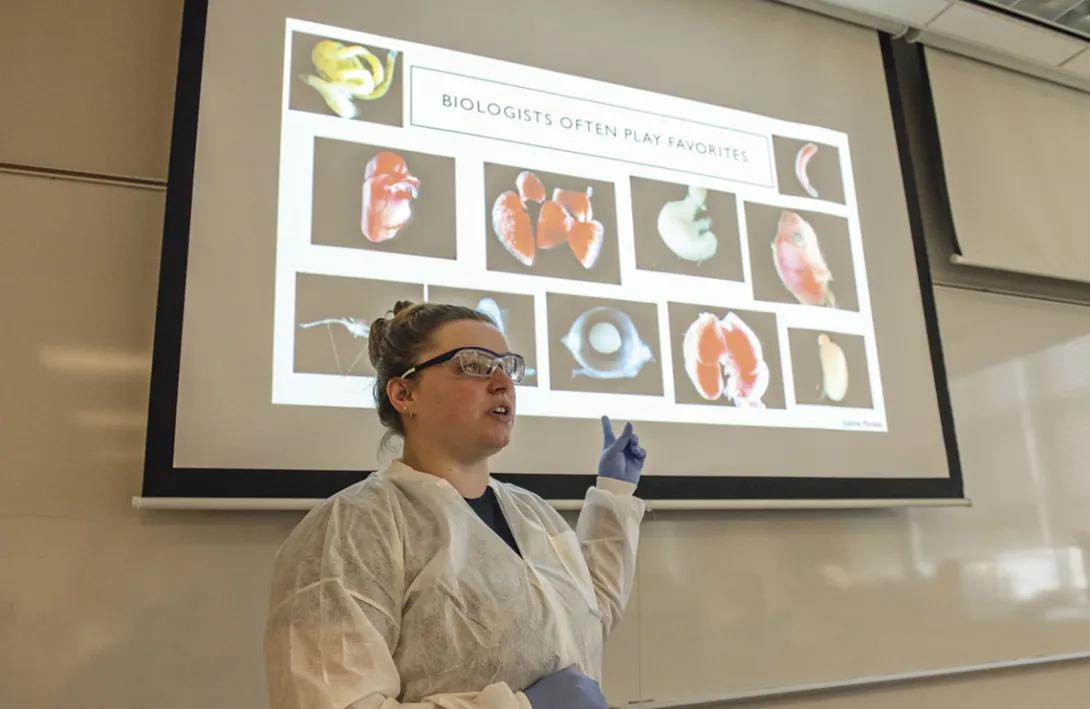
DFB graduate instructors include Mary Lee, Ph.D., a postdoctoral research fellow in the Department of Cell & Developmental Biology.

Students from local universities, including Wayne State, Eastern Michigan, and Henry Ford College, also attended the program.
More Articles About:

Students Education Biology Puerto Rico Collaboration outreach Medical School

Featured News & Stories

UMich Med Mosaic on blue background with colorful geometric shapes
UMich Med Mosaic

Beyond the White Coat: Disability, Neurodiversity and Advocacy in Medical School
In this episode of UMich Med Mosaic, host Mackenzie Kay sits down with medical students Jill Maudlin, Sarah Renberg and Bella Johnson to discuss their experiences as disabled and neurodivergent trainees at the University of Michigan Medical School. They reflect on the personal journeys that led them to medicine, the challenges and strengths that accompany living with disabilities and chronic health conditions and the importance of representation within the medical profession. The conversation explores how disability shapes their approaches to patient care, advocacy and teamwork, as well as the role of the Medical Students for Disability Health Advocacy (MSDHA) organization in creating community and advancing accessibility initiatives. They also discuss Michigan’s accommodations in medical education, efforts to improve disability-related curriculum content and the importance of building a culture where disabled and neurodivergent students can thrive.
Minding Memory with a microphone and a shadow of a microphone on a blue background
Minding Memory

Antipsychotic Use in Nursing Homes: Balancing Medication Safety, Policy, and Dementia Care
In this episode, Lauren Gerlach and Matt Davis speak with Theresa Shireman, PhD, Director of the Center for Gerontology and Healthcare Research and a Professor of Health Services, Policy and Practice and Epidemiology at the Brown University School of Public Health. Dr. Shireman’s research focuses on pharmaceutical policy, pharmacoepidemiology, health services research, and medication use among vulnerable populations. Dr. Shireman discusses her recent study, "Impact of Federal Antipsychotic Use Policy in Nursing Homes on New Diagnoses for Approved Indications in Dementia Residents," published in the Journal of the American Geriatrics Society. The study examines whether federal policies designed to reduce antipsychotic use in nursing homes were associated with increases in new diagnoses of conditions, such as schizophrenia, that exclude residents from publicly report antipsychotic quality measures. Using an interrupted time-series design, the researchers examined changes following the 2012 National Partnership to Improve Dementia Care and the 2015 addition of antipsychotic use to the Nursing home Five-Star Quality Rating System. They found that neither policy was associated with an increase in new exclusionary diagnossees, challenging concerns that nursing homes were increasingly assigning these diagnoses to circumvent restrictions on antipsychotic use. The conversation also explores the benefits and risks of antipsychotic medications for people living with dementia, including the potential for serious adverse effects such as sedation, falls, stroke, and increased mortality. Dr. Shireman discusses how public reporting and financial incentives can influence prescribing practices,the limitations of using a single quality measure to evaluate nursing home care, and the importance of balancing medication safety and residents’ individual needs. The discussion highlights the need for shared decision-making among clinicians, nursing home staff, residents, and families, as well as greater investment in staffing, resources, and nonpharmacological approaches to improve quality of life for people living with dementia. The transcript for this episode can be found here.
Well-Being at Michigan Medicine with Dr. Elizabeth Harry
Well-Being at Michigan Medicine

Learning Together: Making Space for Growth at Work
What if well-being starts with how we learn together? On this episode of Well-Being at Michigan Medicine, Elizabeth Harry, M.D., is joined by Rajesh Mangrulkar, M.D., FNAP, Executive Director of U-M’s Center for Interprofessional Practice and Education (IPE), Executive Director of Michigan Medicine RISE (Research. Innovation. Scholarship. Education), and primary care physician of internal medicine whose work focuses on organizational leadership and innovation, and Johnny McGraw, M.A., Marketing & Communications Specialist for both RISE and IPE, about building teams through human connection, psychological safety and learning. They discuss a meeting practice, why leaders shape culture and how investments in collaboration can help health care teams work without asking people to carry everything alone.
Minding memory above a microphone on a blue background
Minding Memory

Is the United States Lagging Behind Europe in Memory Improvement?

In this episode, Lauren & Matt speak with Neil Mehta, PhD who is the associate dean for research and a professor in the Department of Epidemiology at the University of Texas Medical Branch in Galveston. Dr. Mehta’s research focuses on US life expectancy trends, the effects of obesity on disability and mortality, the sources of socioeconomic status disparities in mortality, and patterns of health in the United States and Europe. Dr. Mehta talks about a recent manuscript from the NIA-funded TRENDS study called “Trends in Memory Function and Memory Impairment Among Older Adults in the United States and Europe, 1996 to 2018.”, which looks at data from several sources to compare trends in memory function across 13 different countries.
Minding Memory with a microphone and a shadow of a microphone on a blue background
Minding Memory

The Care Ecosystem: Supporting People Living with Dementia and Their Families

Welcome back to Season 6 of Minding Memory! In this episode, Lauren & Matt speak with Dr. Katherine (Kate) Possin, who holds the John Douglas French Alzheimer’s Foundation Professorship at the University of California, San Francisco Fein Memory & Aging Center. Dr. Possin talks about the Care Ecosystem, a telephone and web-based model that provides ongoing education, support, care planning, and coordination for people living with dementia and their care partners. They’ll dig into how the Care Ecosystem was developed, and what studies have shown about its impact on people living with dementia.
UMich Med Mosaic on blue background with colorful geometric shapes
UMich Med Mosaic

Beyond the White Coat: The Med Student Tradition Behind Michigan’s Smoker

In this episode of UMich Med Mosaic, host Mackenzie Kay sits down with graduating student Gareema Agarwal and MD/PhD student Mark Adame to explore the history, traditions and behind-the-scenes work that bring the University of Michigan Medical School’s annual Smoker production to life. As outgoing Smoker Czars, they share how they became involved in the beloved student-run comedy musical, the process of writing, casting and producing the show, and the challenges of balancing a major creative undertaking during their medical training.