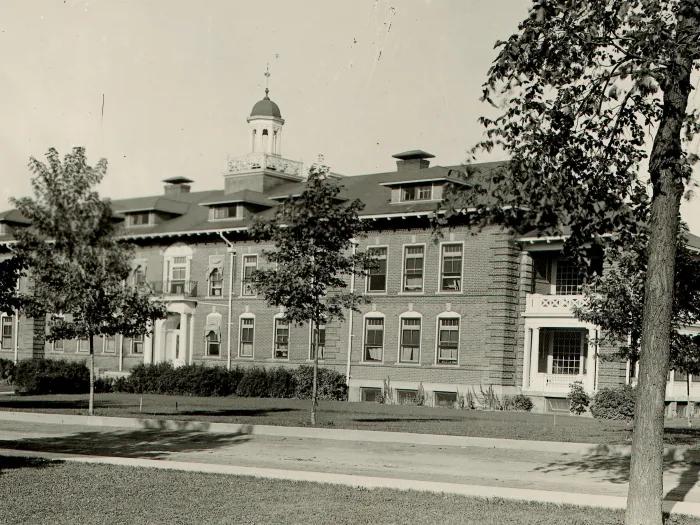
The history of physician burnout
A second-year medical student traces the origins of physician exhaustion and proposes several innovative solutions to the pervasive problem.
5:00 AM
Author |
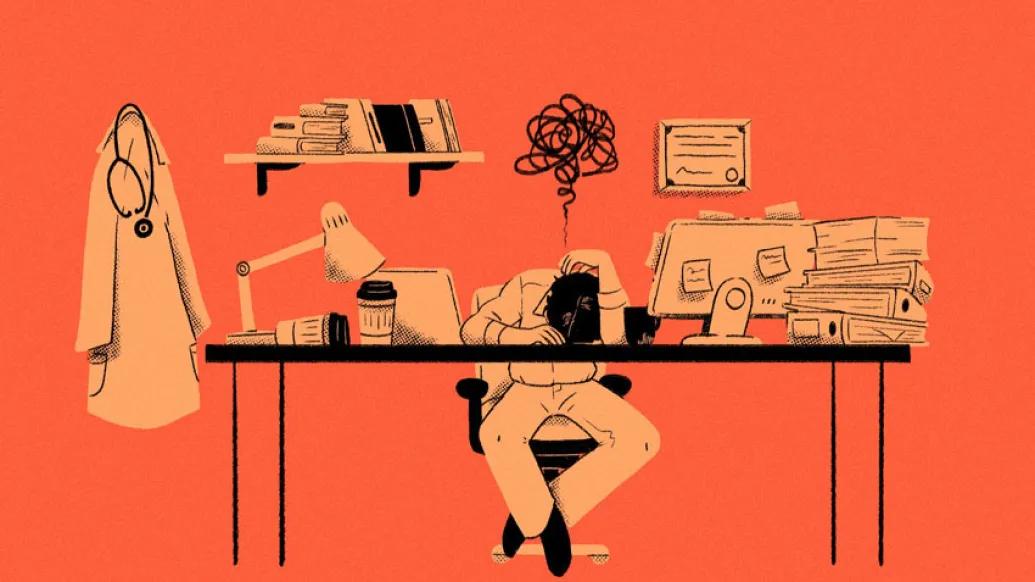
According to a 2022 Medscape poll, burnout rates among physicians are steadily increasing. The publication defines burnout as a "long-term, unresolvable job-related stress that leads to exhaustion, cynicism and feelings of detachment."
This mental health concern endemic to medical professionals inspired Sam Schotland, M.A., a second-year medical student at the University of Michigan Medical School and Ph.D. student studying the history of science and medicine at Yale University, to co-author an article entitled, "Obstacles to Physicians' Emotional Health — Lessons from History." The piece appeared in The New England Journal of Medicine earlier this year.
MORE FROM THE LAB: Subscribe to our weekly newsletter
"While the ongoing pandemic has exposed the incredible amount of stress put upon our health care providers, many key obstacles existed pre-pandemic when it comes to improving the mental health of our physicians," he said. "In our paper, we highlight three significant barriers that have historically prevented said improvements and also, suggest some solutions to these pervasive problems."
Schotland and his co-authors, Agnes Arnold‑Forster, Ph.D., and Jacob D. Moses, Ph.D., define three "historical obstacles" to the wellbeing of doctors. They include:
-
Medical exceptionalism, or regarding medicine as an extraordinarily self-sacrificing profession.
-
Medicalization, or considering physicians who have mental health or substance use problems to be sick or unwell.
-
Individual responsibility, or believing physicians are personally obliged to maintain their own wellness.
Schotland notes that each of these barriers continues to persist because of longstanding and oftentimes deep-seated societal issues.
"For example, things like social privilege and prestige are often associated with doctors and contribute to the notion of medical exceptionalism," he said. "This, in turn leads to institutional expectations that can ultimately mask harmful practices and policies geared towards physicians. In addition, medicalization continues to persist because of stigmas associated with mental illness and substance abuse. And individual responsibility can lead to stagnant work conditions, as doctors are essentially tasked with helping themselves with no outside help."
Schotland and his peers go on to propose several structural solutions to each obstacle, reinforcing the importance of combatting the "historical tendency to hold physicians personally responsible for tolerating occupational stress."
Like Podcasts? Add the Michigan Medicine News Break on Spotify, Apple Podcasts or anywhere you listen to podcasts.
"We recommend reforms to medical curriculum to empower medical students and house staff to better understand their rights and responsibilities in the clinical environment, ensuring duty hour restrictions and workplace protections, and providing mental health support as a part of the occupational health services of hospitals and other health care facilities," he said. "These types of interventions hold the power to shift responsibility from individual physicians to institutions."
Schotland adds that when health care facilities prioritize physician wellbeing as highly as they prioritize the patient experience, for example, this can lead to bigger and better things.
"History provides us with a template, as well as a way for thinking through many of these issues. But ultimately, happy doctors make for a better quality of care," he said. "At the end of the day, physicians are workers, who absolutely deserve the same basic rights and adequate working conditions as other professions. By finally reckoning with massive structural problems, policies within health care may finally change. And this can lead to an overall better future for us all."
Paper cited: "Obstacles to Physicians' Emotional Health — Lessons from History," The New England Journal of Medicine. DOI: 10.1056/NEJMp2112095
Live your healthiest life: Get tips from top experts weekly. Subscribe to the Michigan Health blog newsletter
Headlines from the frontlines: The power of scientific discovery harnessed and delivered to your inbox every week. Subscribe to the Michigan Health Lab blog newsletter

Health Lab
Explore thousands of health news & research stories by visiting the Health Lab homepage for more.
Media Contact

Public Relations
Department of Communication at Michigan Medicine
Stay Informed
Want top health & research news weekly? Sign up for Health Lab’s newsletters today!
Featured News & Stories

Studies show special mental health risks for certain groups of new doctors
Small Pauses, Bigger Impact: Mindfulness in Action

Major Changes to Medicaid

Sports gambling on the rise among college students

How U-M helped bring depression out of the darkness