General Internal Medicine: A Path That Leads to Many More
They’re helping create the future of medicine through research, clinical care, education and public policy. What do they have in common? A start as general internists.
7:00 AM
Author |
What kind of doctor do you want to be?
It's a question all medical students ponder as they face the array of choices for residency training after medical school. Do they want to specialize in the diseases that affect a particular organ system, or the brain, or a surgical discipline? Do they want to treat children, adults or a combination?
MORE FROM THE LAB: Subscribe to our weekly newsletter
One choice that may get overlooked in such deliberations: general internal medicine, or the specialty that focuses on the broad medical needs of adults.
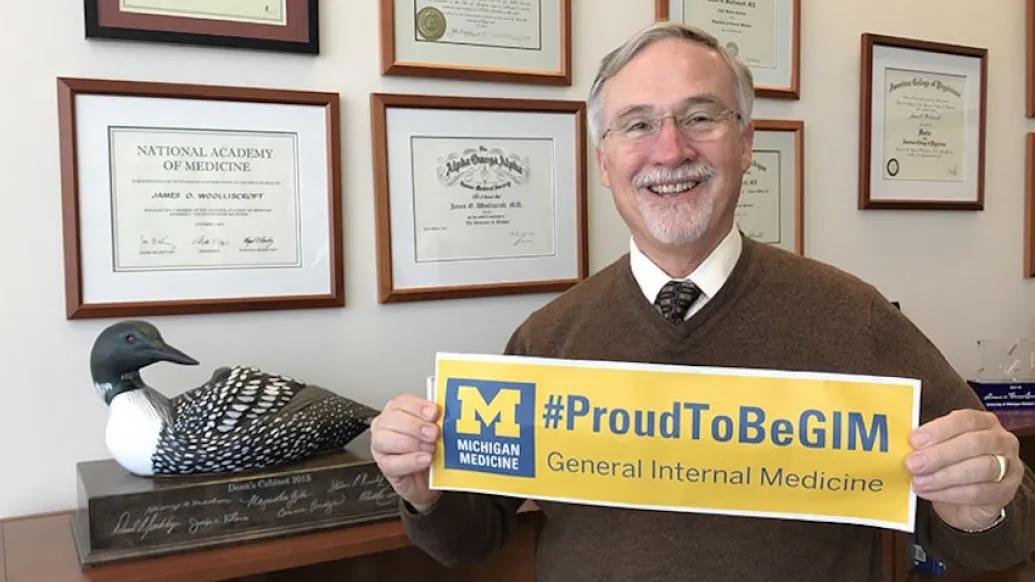
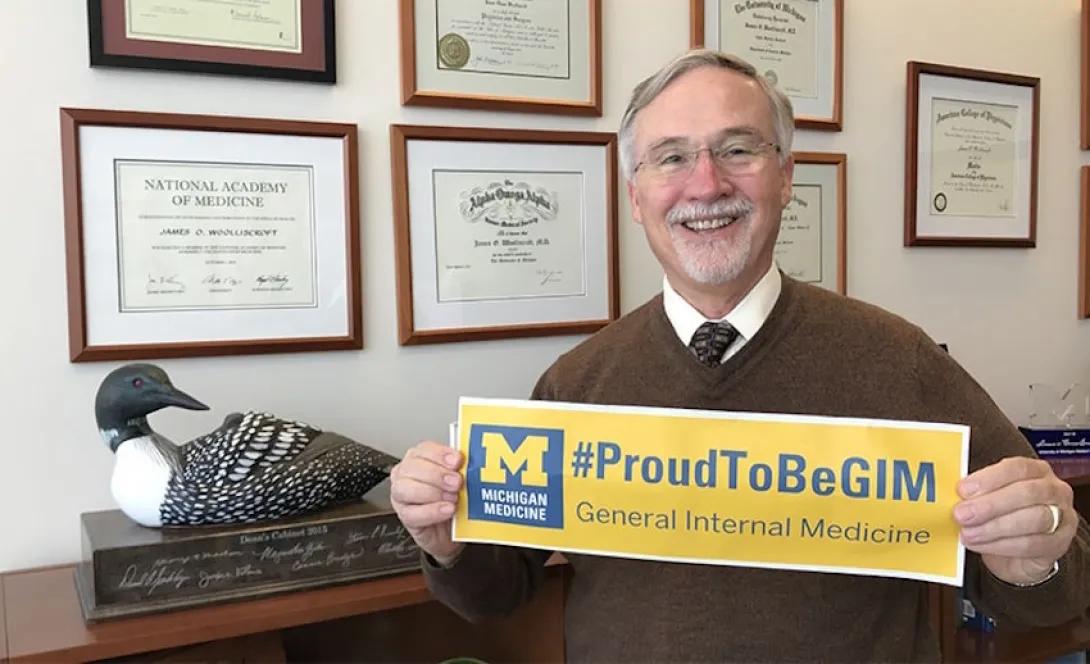
The need for these physicians, who handle primary care in outpatient settings and oversee the care of hospitalized patients, is rising. And the national professional group the Society of General Internal Medicine has launched an awareness campaign — ProudtoBeGIM — to make sure students know what this career choice could mean for them.
As it happens, many leaders across Michigan Medicine did their training in general internal medicine — and have parlayed that broad expertise into a wide range of career paths.
We asked them to reflect on their choice and what they've done since.
Rajesh Mangrulkar, M.D.
"In 1998, choosing general internal medicine felt more like not choosing to subspecialize rather than explicitly entering a career path. But that impression was completely wrong. My true passion is complex interactions of systems, broad thinking and the longitudinal relationships I am privileged to develop with my patients. These are hallmarks of a general internist.
"This approach also mirrors my work in education, innovation and leadership. My typical day as an associate dean is exactly like my typical outpatient clinic day — anything can walk in, and I need to leverage complex thinking, communication and problem-solving skills in both realms of my professional life. I couldn't be happier with my decision."
Mangrulkar is the U-M Medical School associate dean for medical student education.
Susan Goold, M.D.
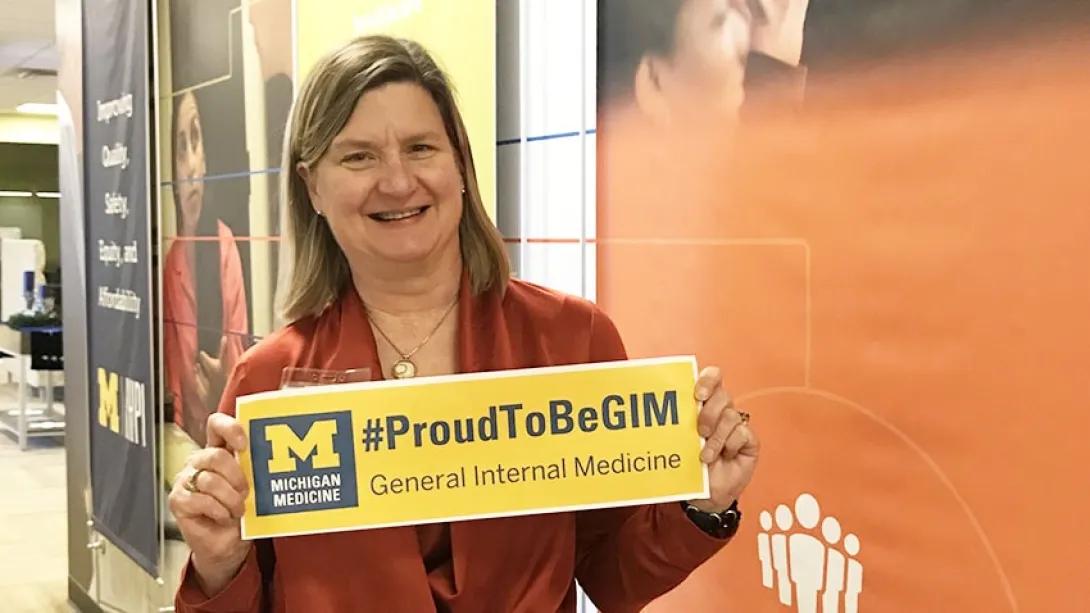
"For me, general internal medicine combines intellectual satisfaction (since you never know all the answers); the fulfillment that comes from ongoing relationships with patients, getting to know them as whole people, not just diseases; and some modest contribution to public health, with its emphasis on health promotion and disease prevention."
Goold is a bioethicist and health care researcher.
SEE ALSO: Why I Became a Doctor: Stories from Michigan Medicine
Vineet Chopra, M.D., M.Sc.
"I chose general medicine because I enjoy caring for the entire patient: their medical, social and physical needs."
Chopra is the director of U-M's Division of Hospital Medicine.
James O. Woolliscroft, M.D.
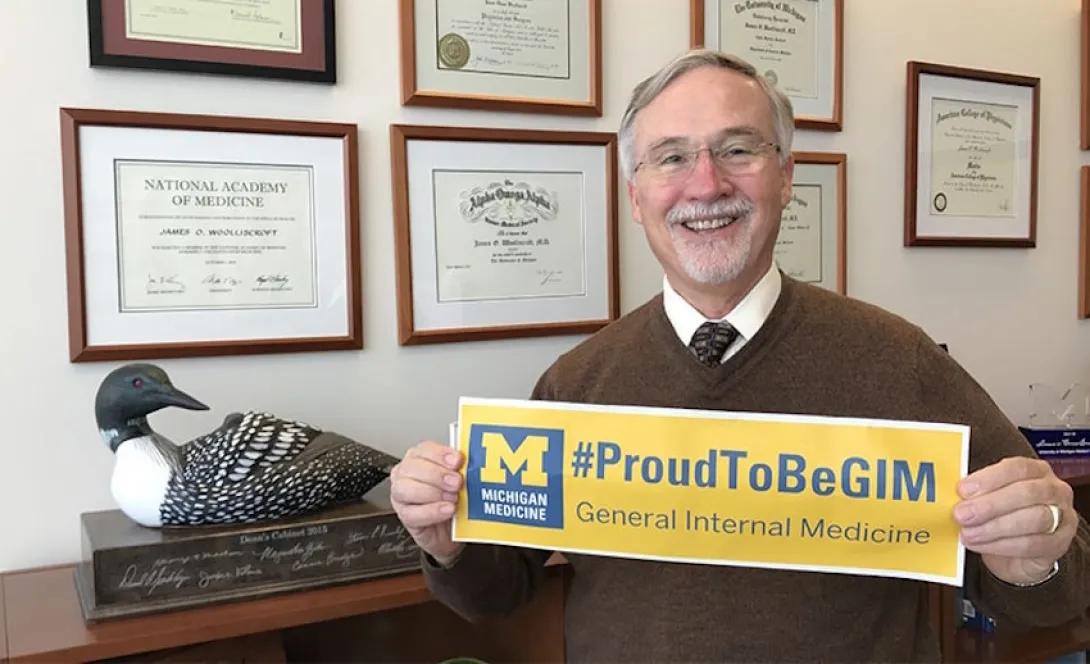
"I've always enjoyed Sherlock Holmes stories because he took a clue here and a clue there and put it all together in a thoughtful application of everything he knew. We do the same in general internal medicine. In addition, this discipline provides superb training for leadership roles because of its emphasis on the importance of breadth of knowledge and vision. General internists learn how to be both a member and a leader of a team, how to be a listener and the importance of engaging highly skilled domain experts. Our discipline, like a leadership role, also requires comfort with uncertainty, the need to make decisions even if all desired information is not available and the ability to recognize when a course change is needed."
Woolliscroft is the past dean of the U-M Medical School and the Lyle C. Roll Professor of Medicine.
Eve Kerr, M.D., M.P.H.
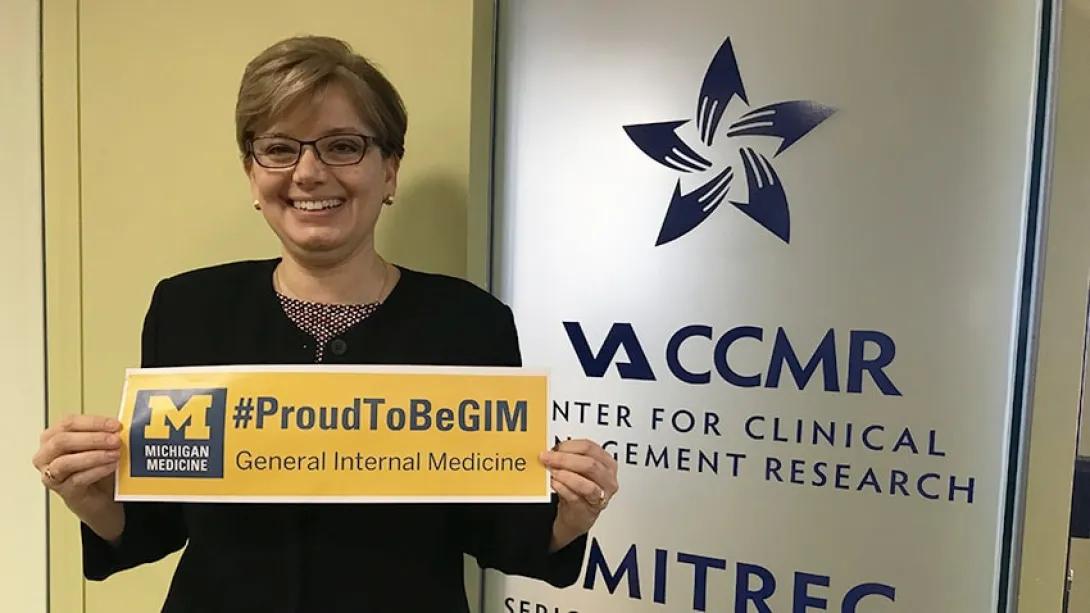
"When I did my internal medicine rotation in the third year of medical school, I knew I had found the specialty I wanted to be in for the rest of my career. As a general internist, I get to both think deeply about diagnosis and treatment and consider the needs of the whole patient in management plans (not just one of their organ systems). I've been privileged and challenged to be the primary care provider for adults with complicated medical problems and to make an impact on their lives over time."
Kerr is the director of the VA Center for Clinical Management Research.
Greta Branford, M.D.
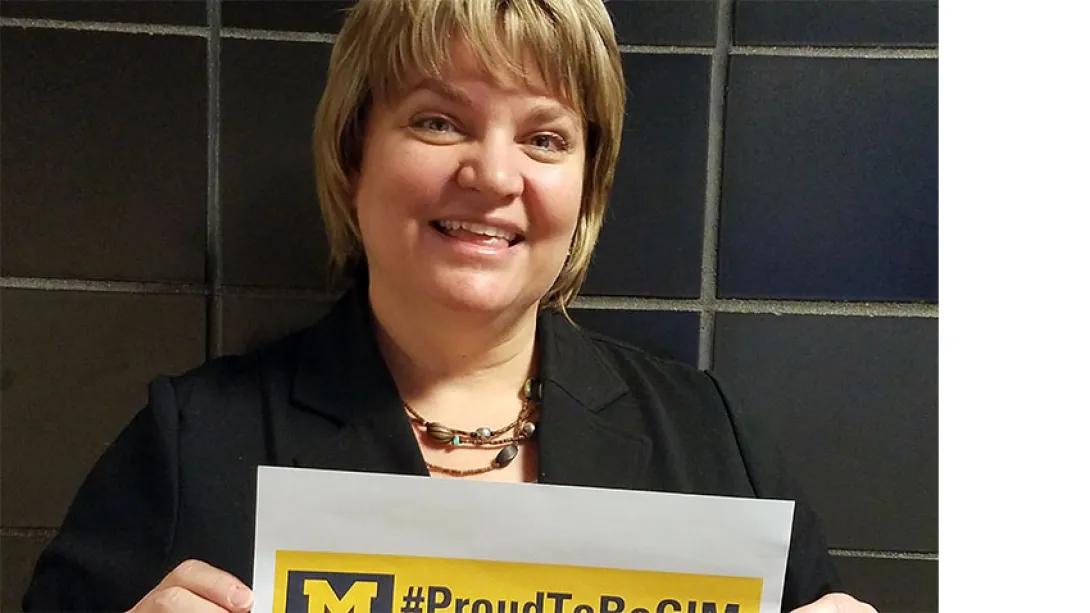
"Long ago, I set out to be a primary care provider and chose to pursue that as an internal medicine/pediatrics physician.
But while I love caring for patients, I am always bothered by system improvements that are needed. Also, I see my fellow colleagues struggling as increased compliance requirements combined with the electronic medical record evolution is contributing to record provider burnout. Although I am not exceedingly 'techie' and never imagined being an informatician, my background of primary care has been very important in my current role in clinical informatics. Designing workflows, improving the design of the electronic medical record and improving clinical decision support to help both providers and patients relies on the basic knowledge of ambulatory care. I love that my training has provided me the background and position to not only help patients, but also my colleagues and institution as a whole."
Branford is an associate chief medical information officer at Michigan Medicine.
Maria Han, M.D.
"As a general medicine physician, I care for my patients when they are well and when they are sick. Caring for them often requires working with providers across specialties and coordinating care across the care continuum. This longitudinal look gives me a unique understanding of the entire health care delivery system and allows me to recognize places where the system is failing patients and where we need to work to improve."
Han is the medical director of the Michigan Medicine Population Health Office.
SEE ALSO: Doctors Who Specialize in Not Specializing Key to Medicine's Future
John Z. Ayanian, M.D., M.P.P.
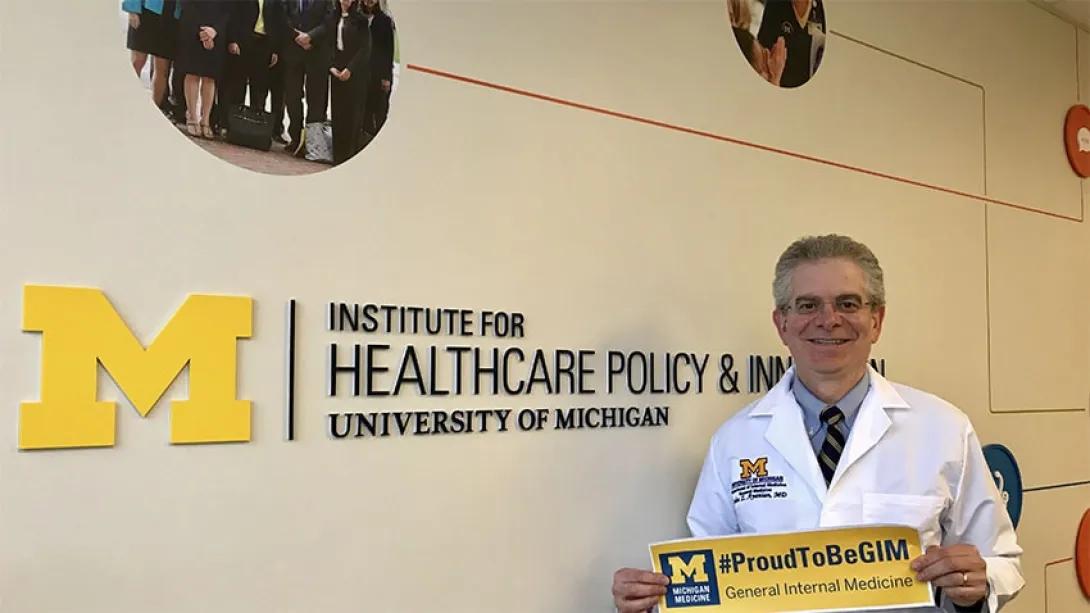
"My clinical work as a general internist gives me meaningful insights into how our patients are affected by broad policy decisions, and these insights shape the research that my colleagues and I are doing to improve health care for our patients and many others. By combining general internal medicine and health policy research, I can serve patients one-on-one with my clinical skills while also promoting more equitable and effective care for communities at the state and national levels."
Ayanian is the director of the U-M Institute for Healthcare Policy and Innovation.
Mark Fendrick, M.D.
"My career path as a generalist provided me the opportunity to pursue multiple, diverse research areas and practice medicine across the entire spectrum of clinical care. This flexibility enabled me to work closely with colleagues from several medical and nonmedical disciplines who contributed significantly to my personal and professional growth."
Fendrick is the director of U-M's Center for Value-Based Insurance Design.

Health Lab
Explore thousands of health news & research stories by visiting the Health Lab homepage for more.
Media Contact

Public Relations
Department of Communication at Michigan Medicine
Stay Informed
Want top health & research news weekly? Sign up for Health Lab’s newsletters today!
Featured News & Stories

How U-M helped bring depression out of the darkness

What’s changing in Medicaid and what can you do?

Beyond the White Coat: Disability, Neurodiversity and Advocacy in Medical School

Antipsychotic Use in Nursing Homes: Balancing Medication Safety, Policy, and Dementia Care
Learning Together: Making Space for Growth at Work