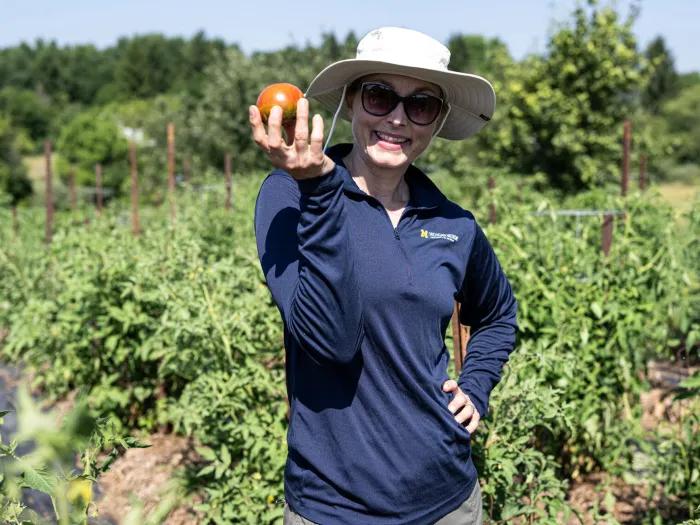
Self-Isolation: New to Us, Common for Cancer Patients
As the stay-home reality continues, a patient with breast cancer shares advice to help others with quarantining.
12:20 PM
Author |
Editor's note: Information on the COVID-19 crisis is constantly changing. For the latest numbers and updates, keep checking the CDC's website. For the most up-to-date information from Michigan Medicine, visit the hospital's Coronavirus (COVID-19) webpage.
Interested in a COVID-19 clinical trial? Health research is critical to ending the COVID-19 pandemic. Our researchers are hard at work to find vaccines and other ways to potentially prevent and treat the disease and need your help. Sign up to be considered for a clinical trial at Michigan Medicine.
For cancer patients, self-isolation isn't something new. Due to treatment options, their immune
systems become compromised. So Anne Marshall, a stage 4 cancer patient, has some advice for those that are new to being isolated at home.
Anne's journey
Marshall was first diagnosed with stage 3 breast cancer in 2008. She went through the entire treatment realm of chemotherapy, surgery and radiation. In 2017 she had a recurrence with the cancer spreading to her lymph nodes and her bones. Then, in 2018, the cancer spread to her liver. Through another round of treatments, including surgery and medications, she is now keeping the cancer at bay.
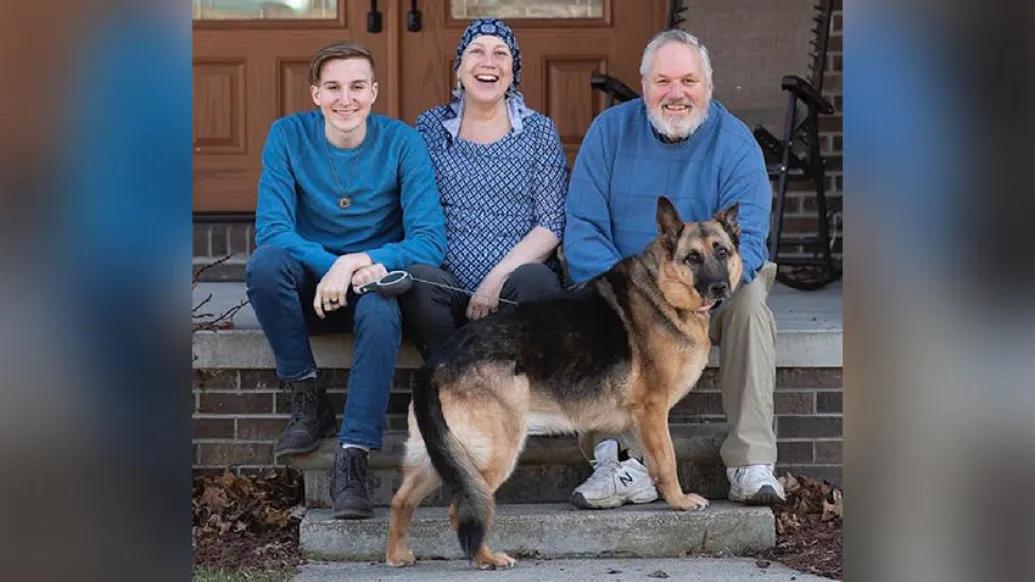
"When I was first diagnosed and in chemo I isolated in my home, other than walks with my son who was 6-years-old at the time," Anne said. Her neighbors started a meal chain and delivered food to them almost daily. Her son would spend the weekends with his father so she was able to sleep and get some much needed rest.
MORE FROM MICHIGAN: Sign up for our weekly newsletter
Part of her isolation was due to medications making her feel sick. What helped her, though, were working on little projects in the winter, and in the warmer months, working in her yard when she was feeling well enough.
Due to her low blood cell count, infection was a big worry for her during chemotherapy. Once her blood counts were better she would start to go out more, but in the meantime, she kept up with people on the phone, and rather than going out, friends, neighbors and loved ones often visited instead.
I always knew when chemo would end or when radiation would be over. For people that have never had to do this or think about this I imagine it is much more difficult.
While patients with cancer have a set timeline to follow, current COVID-19 isolation orders don't, but there are similarities. Right now, Marshall has to be extra careful being back on chemotherapy due to her fragile immune system. Many things that people are still able to do, go to grocery stores, or get take out, aren't even an option for her, but luckily her husband is able to get essential items for them.
"Having done this before makes it a little easier I suppose, although it is anxiety provoking to have no end date in sight," Anne said. "I always knew when chemo would end or when radiation would be over. For people that have never had to do this or think about this I imagine it is much more difficult."
While she is able to cope with the isolation, it's the thought that her son will likely miss his senior prom, not return to school or even have a traditional graduation ceremony, that upsets her. "And I really grieve about that."
Marshall says the following tips may help you in coping with this new social distancing regulations:
-Get outside daily. Go for a walk, a drive or just sit out on the porch.
-Go through old photos. Sort through pictures, newer and older, and send them to relatives and friends to enjoy, too.
-Start a garden indoors. And when the weather warms up, plant them outside.
-Eat healthy. Make sure to eat nutritious foods and drink lots of water.
-Shower daily. Even if you don't feel like it, it helps you feel better and not fall into "a pajamas all day" slump, says Marshall.
-Reach out to others. Not just for you but for them. Use social media, text, email or write letters to loved ones. "It's so great to get real mail these days," Marshall adds. For those that aren't struggling as much, Marshall recommends reaching out to others that may be, especially if you haven't heard from or seen them on social media as often. "It feels good to reach out and improve the mood of someone else, which in turn, helps your own."
-Limit the news. Cut your daily intake down to maybe an hour a day. It can be depressing to watch too much of it, Marshall notes.
Like Podcasts? Add the Michigan Medicine News Break to your Alexa-enabled device or subscribe for daily updates on iTunes, Google Play and Stitcher.

Health Lab
Explore thousands of health news & research stories by visiting the Health Lab homepage for more.
Media Contact

Public Relations
Department of Communication at Michigan Medicine
Stay Informed
Want top health & research news weekly? Sign up for Health Lab’s newsletters today!
Featured News & Stories
Pain, psychological factors and physical function closely linked in people with systemic sclerosis

Digital alerts support timely treatment decisions of critically ill cardiac patients
Studying Period Pain

Reducing infections after heart surgery could save Medicare $441 million per year
A tragedy and a trial shine a spotlight on new moms’ mental health