
Hurricane Ian: Older adults have many reasons for not evacuating
Here’s why it’s important to check on aging neighbors.
5:00 AM
Author |
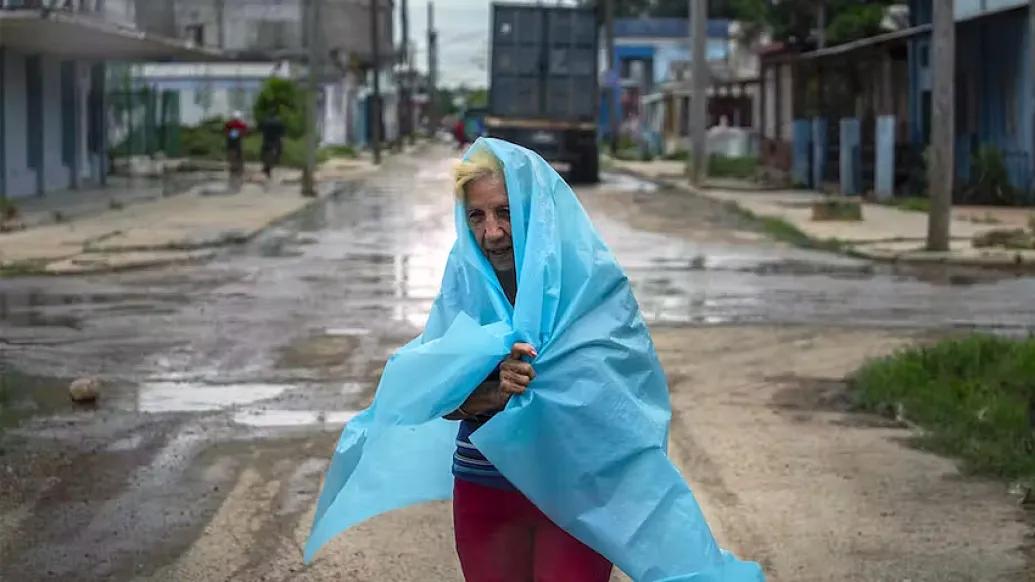
As mandatory evacuations for Hurricane Ian began in Florida and the warnings about damaging wind and flooding intensified, I called my aging parents to check in.
Being a disaster researcher, my concern for them was already in high gear, even though they weren't directly in an evacuation zone. My dad takes medications that require refrigeration, special needles and a sterile environment to administer. My mom is in the early stages of dementia. Both are not as spry as they used to be.
I heard the worry in their voice about their safety, about my dad's health needs and about what might happen to their house.
As I sat at home hundreds of miles away, I thought about all the reasons why leaving isn't always a clear decision.
As in other recent hurricanes, some residents will choose to ride out the storm in their homes, despite recommendations to evacuate. The risks can be high – sheltering in place during a major hurricane, with flooding rainfall, storm surge and powerful winds, can put lives at risk. The damage to neighborhoods after the storm, including loss of power can also be dangerous, and supplies can be hard to find.
It is easy to dismiss those who stay in the storm's path as uninformed, but for older adults, evacuating can come with its own consequences. Researchers have found that older adults may not be well prepared to address the health risks that occur during disasters. Being ready to either evacuate or stay put is part of that.
Understanding and addressing the underlying reasons behind why seniors do not evacuate can help to improve disaster response for this population.
Evacuation can be expensive
For seniors who live on a fixed income, evacuation may not always be feasible for their budget. Evacuating has many associated – and hidden – costs.
Transportation, food and housing can add up quickly. Shelters may be intimidating.
A survey we conducted in 2020 with 2,256 older adults across the United States found that about 1 in 4 (24%) indicated it would be difficult to afford to stay somewhere else for a week if necessary. And with so many storms happening so frequently, costs related to multiple evacuations can quickly add up.
Concerns about taking care of chronic illness
Up to 60% of older adults in America have more than one chronic health condition. Diabetes, kidney disease, and even cancer are prime examples of conditions that require daily attention in order to keep an optimum level of health.
When our research team surveyed older adults who use essential medical equipment that requires electricity, just 25% had an alternative power source for that equipment.
Further, oxygen tanks, home dialysis machines, chemotherapy and strict dietary and medication regimens can be a part of life-saving daily routines. Without this equipment, breakdowns in health can occur, which can have long-lasting effects on health.
Older adults may be hesitant to break these care routines, or worry about being away from important equipment that is not portable.
Mobility issues
Difficulty moving around, losing balance and unsteadiness are common changes that occur with aging. The risk of falling or injury while moving more than usual due to the storm preparations is a considerable challenge.
For seniors with limited mobility, the challenges of getting prepared to evacuate and then moving out of their homes and into a crowded and chaotic situation can be a serious deterrent.
Social isolation
Social isolation is also a well-documented issue among older adults. Older adults who live alone, who are caregivers for loved ones or who don't speak English are especially at risk. These individuals may lack the awareness and resources to evacuate.
That's why evacuation planning guidelines recommend checking in on neighbors to see if they need help. Programs, run by governments or community groups, also exist in some areas to help seniors evacuate.
Trusting in past experiences
Many seniors have chosen to stay home through decades of strong storms and hurricanes. Hurricane Ian may not seem any different – but it is.
The Gulf Coast near Tampa has not seen direct impacts of a hurricane in more than 100 years. The tendency to underestimate the severity of a disaster and its potential effects is called normalcy bias. The idea that "if it hasn't happened before, why should it happen now?" is one that keeps many at home rather than evacuating.
Florida Attorney General Ashley Moody told reporters, "This could be the storm that we have all feared" in the Tampa Bay area. She is right to be scared.
Hurricane Ian is expected to cause huge damages as it nears the coast of Florida, and it will almost certainly have long term effects for many of its senior residents. Building supportive communities that can help older adults prepare for – and become resilient to – disasters are needed now more than ever.
This article is republished from The Conversation under a Creative Commons license. Read the original article.

Health Lab
Explore thousands of health news & research stories by visiting the Health Lab homepage for more.
Media Contact

Public Relations
Department of Communication at Michigan Medicine
Stay Informed
Want top health & research news weekly? Sign up for Health Lab’s newsletters today!
Featured News & Stories

Many older adults make Medicare decisions quickly and most don’t change plans, poll finds

What’s the latest on 7-OH and kratom availability and addiction care?

Depression in OBGYN residents needs more attention, study suggests

A metabolic “switch” that could help reset scar-producing cells in scleroderma

Emergency room intervention pairs smartphone, telehealth counseling to reduce risky firearm behavior

