Advancing workplace wellbeing in abnormal times
Burnout is real, but the word is overused. It’s time to learn how to go beyond it.
1:10 PM
Author |
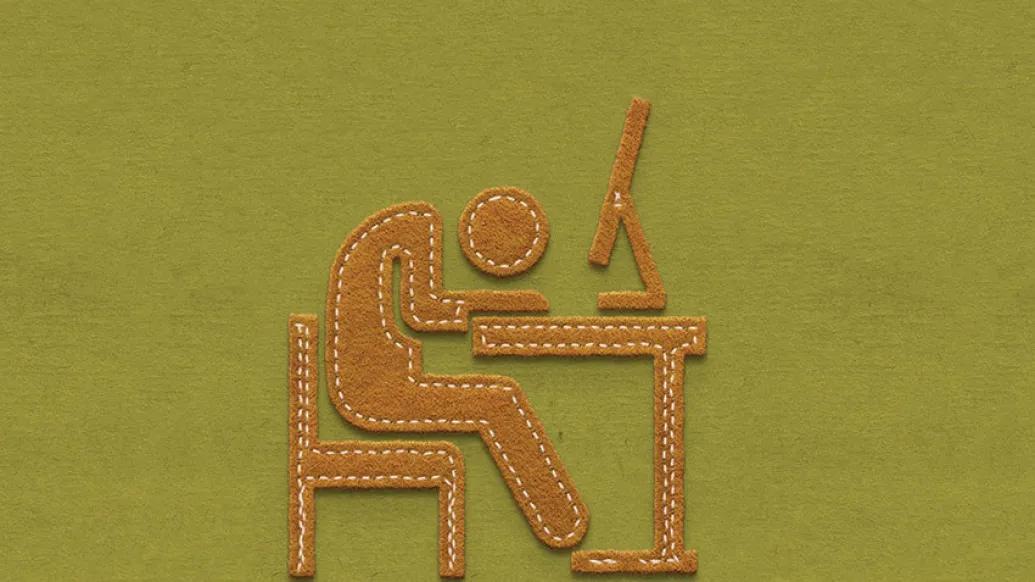
Is life back to normal? Sometimes it looks as though it is. Watching crowds of mostly unmasked fans at athletic events gives a momentary sense of normalcy.
But for health care, things are nowhere close to normal.
Many providers are still facing this pandemic, continuing to treat COVID-19 patients and struggling with staffing shortages. The cumulative effect of the last few years on personal and professional lives has undoubtedly taken a toll on well-being.
But people are getting tired of talking about burnout.
So, instead, it's time to learn how to rise above it, and more specifically how you can improve your well-being during abnormal times, especially when work has been so persistently stressful during the pandemic.
Workplace wellbeing
Workplace wellbeing, defined as an optimal experience and quality of life at work, is the opposite of burnout.
How can workplace wellbeing be improved for members of the health care field?
The approach of Michigan Medicine's Wellness Office is to coordinate efforts at individual, work and organizational levels. As individuals, workers can acknowledge that what many feel is a normal response to persistent stress over the last few years.
Although not every health care professional will feel all these emotions, most are likely to experience some of these feelings from time to time:
-
Anxiety about their health, their families, or practicing while exhausted.
-
Anger about people who are not vaccinated and whose lives they strive to save.
-
Guilt about not doing enough, not wanting to go to work, not feeling compassion, or not coping as well as they want to.
-
Grief about losses of life and health, as well as the loss of normalcy.
-
Helplessness or hopelessness as many wonder, "What's the point? Is anything I'm doing making a difference? Does anyone care what I'm doing?"
-
Isolation being alone with their feelings and disconnected. "Is anyone helping us?"
Such feelings are a normal response to an abnormal situation. It's also normal to push feelings away temporarily to get through the workday. Talking about them later with an empathetic family member, partner, friend or counselor can decrease that sense of isolation.
Acknowledging and talking about your feelings, though, is not enough.
At the work level, feeling well and doing your best requires:
-
Feeling protected not only from infection, but also protection for break time at work to meet basic needs. Health care workers also need time to disconnect and decompress from work to freely enjoy their personal time. Feeling psychologically safe at work depends on a workplace climate where workers feel comfortable expressing and being themselves.
-
Feeling connected to your leaders and knowing they hear everyone's concerns and that they care about them. And you also need to be connected to the right resources required for your work. When your job demands outweigh the resources to do your work (e.g., staffing), you're are more prone to burn out.
-
Feeling respected and valued personally for the work you do.
One initiative of Michigan Medicine's Wellness Office has been the formation of a Wellness Advocate Network, which meets twice monthly and consists of about 40 representatives from various departments (clinical and basic sciences), divisions, and disciplines (such as nurses, physician assistants, and medical assistants) to share best practices.
The Wellness Office also invites leaders to meetings to solicit feedback from advocates on issues and decisions affecting wellbeing. By listening openly and honestly, acknowledging feelings and committing to action, the initiative allows for transparent, two way communication between leaders and faculty, staff and learners to improve their environment.
Prioritizing workplace well-being improves the lives of patients, each other and health care workers. It engages with leaders, faculty, staff and learners to put processes and structures in place to improve workplace well-being and measures progress toward that goal. Improving health care workers' experiences of caring for patients, educating learners, and making scientific discoveries will allow employees to do their best work.
This article was additionally edited by Allison Mi.

Health Lab
Explore thousands of health news & research stories by visiting the Health Lab homepage for more.
Media Contact

Public Relations
Department of Communication at Michigan Medicine
Stay Informed
Want top health & research news weekly? Sign up for Health Lab’s newsletters today!
Featured News & Stories
The Alternative to a Doctor’s Office Visit Gains in Popularity During Pandemic
Are you at risk of a genetic disease? Guidelines for testing should be updated, experts say
Small Pauses, Bigger Impact: Mindfulness in Action
What’s changing in Medicaid and what can you do?

5 ways to manage politically induced stress