Survey: Months After the Election, Young People Still Feeling Stress and Anxiety
A survey examining the 2016 election’s impact on young people found results that U-M researchers say could signal a public health concern.
7:00 AM
Author |
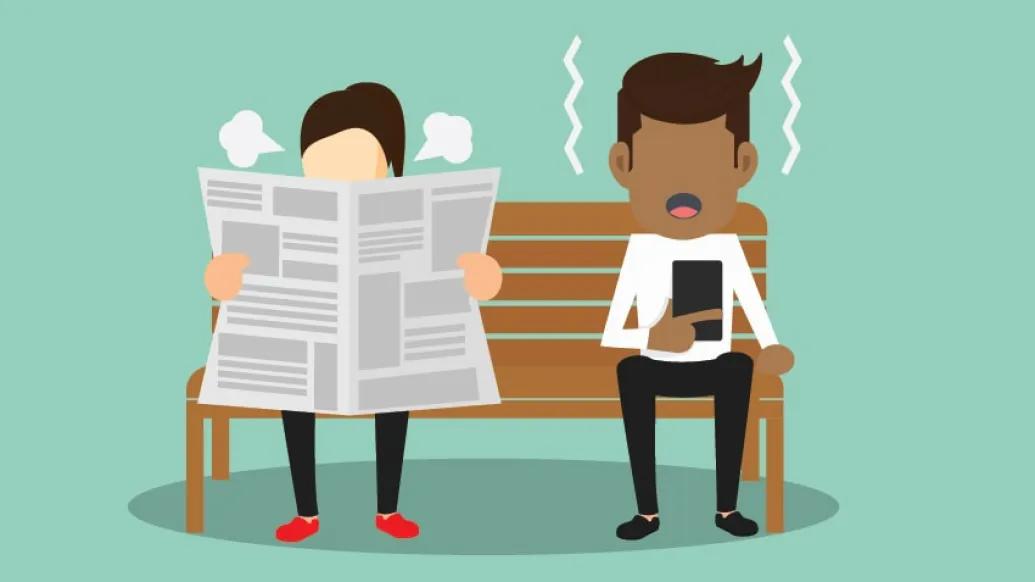
After a contentious presidential election, it's no surprise that more Americans consider politics to be a source of stress.
MORE FROM THE LAB: Subscribe to our weekly newsletter
An American Psychological Association poll conducted shortly before the January 2017 inauguration of President Donald Trump found that 57 percent of adults — regardless of political affiliation — considered the political climate a significant source of stress.
That's a 5 percent increase from when the same question was asked in August 2016. And it marks the first time in the decade that the APA survey has been conducted that stress has significantly increased.
But the survey only included adults.
Which is why researchers from the University of Michigan's Department of Family Medicine sought to understand how youth felt leading up to and following the 2016 U.S. presidential election.
"Our goal was to begin to understand how youth are experiencing the current political climate," says Melissa DeJonckheere, Ph.D., a postdoctoral research fellow. "Our preliminary data shows that it's also affecting young people and we should pay more attention to the potential lasting impact."
The study was recently published in Child and Adolescent Psychiatry and Mental Health.
What I found most interesting is that young people are reporting signs of distress months after the election … so we have to pay closer attention to the long-term impact on youth.Melissa DeJonckheere, Ph.D.
A diverse digital survey
To gather quick and thoughtful poll responses from the target population, researchers used MyVoice — an interactive text-messaging software platform developed by Tammy Chang, M.D., MPH, M.S., an assistant professor of Family Medicine and a member of U-M's Institute for Healthcare Policy and Innovation.
SEE ALSO: Med School Mental Health: 1 in 4 Students May Be Depressed
At three points — one week before Election Day as well as two weeks and four months afterward — Chang and DeJonckheere conducted a longitudinal mixed methods poll that gauged feelings and attitudes toward the election.
"We asked participants how they were specifically feeling about what is happening in politics," says DeJonckheere. "We asked questions about what most impacted them, how they were feeling emotionally, how they were feeling physically, what they were hopeful for and what they were worried about."
The sample included 80 youth under age 24 who supported candidates across the political spectrum. Of those who shared their demographics, the majority, 49 percent, identified as white (the remainder was 15 percent black, 14 percent Asian and 4 percent Latino). Most completed at least some high school or some college.
Heightened anxiety from politics
Poll results revealed that young people — some of whom are not yet of voting age — were dealing with a level of angst caused by the election that has not previously been documented.
"The most commonly reported emotional responses throughout the time period were stress, worry, fear and disappointment," says DeJonckheere. "Physical symptoms included losing sleep and difficulty concentrating."
Among the other findings:
-
Female participants were more likely to experience emotional distress at all three surveyed time points.
-
Male participants reported emotional distress, but with less prevalence than females.
-
White participants were more likely to report negative symptoms than nonwhite participants in both pre-election and post-election surveys.
-
For those who reported pre-election stress, negative symptoms remained four months after the election.
Open-ended responses from poll participants gave added context — and a range of personal insight.
"I've felt shocked and frustrated," a 20-year-old Asian female wrote. "I'm tired. I'm worried about the availability of options for my future and being discriminated against because of my religion."
A 16-year-old white male wrote, "I definitely am not as personally targeted as other individuals; however, I still feel quite a lot of fear."
Continuing the conversation
As the country continues to grow more ideologically and politically divided, Chang and DeJonckheere stress that the impact of elections and political events are a part of an ongoing public health concern that cannot go unacknowledged.
SEE ALSO: Study: Most U.S. Adults Say Today's Children Have Worse Health Prospects
"What I found most interesting is that young people are reporting signs of distress months after the election," says DeJonckheere. "So, it's not specific to just the single event. Political debates and policy shifts are happening every day, so we have to pay closer attention to the long-term impact on youth."
Chang and DeJonckheere will continue to explore the impact of political events on adolescents nationwide through ongoing qualitative and quantitative data collection with over 1,000 youth.
In addition, Chang, DeJonckheere, and the other adolescent health researchers that make up the MyVoice team will continue to use their platform to understand the experiences of youth across the country.
To date, MyVoice has collected weekly surveys over an 18-month period, asking young people open-ended questions on a variety of topics ranging from health insurance to social media use.
"Youth are central to every major health issue today," Chang says. "Paying attention to what youth think and feel is not only our duty, but also a way for health care providers to be proactive about improving the health of our country."

Health Lab
Explore thousands of health news & research stories by visiting the Health Lab homepage for more.
Media Contact

Public Relations
Department of Communication at Michigan Medicine
Stay Informed
Want top health & research news weekly? Sign up for Health Lab’s newsletters today!
Featured News & Stories
Major Changes to Medicaid
Sports gambling on the rise among college students

Giving Voice to Lived Experience in Dementia Research

How U-M helped bring depression out of the darkness
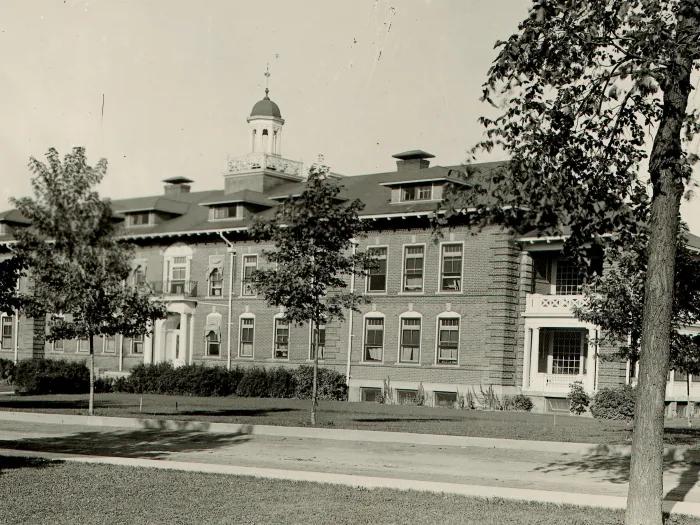
Exploring the mind’s mysteries: 130 years of mental health care & innovation at U-M