Lean Americans with Nonalcoholic Fatty Liver Disease Have Lower Rates of Cirrhosis
A team of experts compared rates of cirrhosis, cardiovascular disease and metabolic abnormalities between patients with fatty liver disease who were of normal weight and overweight or obese.
10:15 AM
Author |
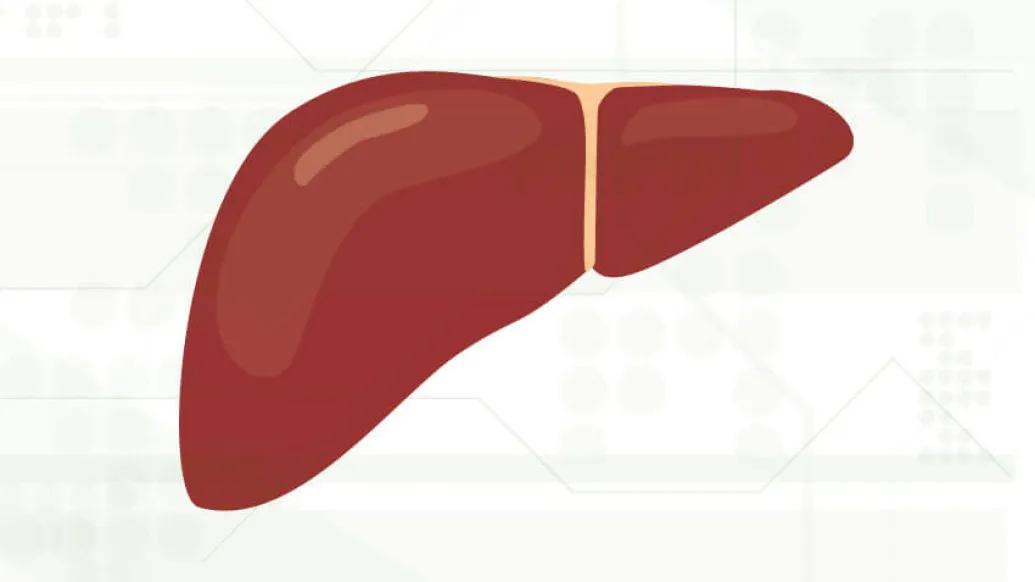
Nearly 83 million Americans live with nonalcoholic fatty liver disease, or NAFLD, which is the leading cause of liver disease in the United States. Nonalcoholic steatohepatitis, or NASH, is a severe form of NAFLD, and has the propensity to surpass both alcohol and hepatitis C as the leading cause of cirrhosis of the liver.
"The NAFLD epidemic has often been characterized as a parallel to the obesity epidemic, as its prevalence increases when one's body mass index increases, as well," says Anna Lok, M.D., assistant dean for clinical research and director of clinical hepatology at Michigan Medicine. "However, significantly less is known about the prevalence of cirrhosis in individuals with a normal BMI who also have NAFLD."
This led Lok and a collaborative team to conduct a real world study to assess the presence of NAFLD in patients who are not obese. Their innovative research was recently published in Clinical Gastroenterology and Hepatology.
LISTEN UP: Add the new Michigan Medicine News Break to your Alexa-enabled device, or subscribe to our daily updates on iTunes, Google Play and Stitcher.
"Everyone has some fat in their liver, but when it's 5% or more of their cells, it is considered fatty liver disease," says Lok. "While we often equate this condition with patients who are overweight or obese, time and time again, we see NAFLD in patients who are of normal weight. Anecdotally, this made us wonder whether or not they had the same risk of adverse outcomes as individuals who are obese."
Lok and her team conducted a TARGET-NASH study, which is a multicenter cohort comprised of various academic medical centers and community practices throughout the U.S. A total of 3,386 patients with NAFLD were enrolled in the study, which compared the prevalence of metabolic, cardiovascular and liver disease in non-obese patients with patients who are overweight or obese.
"Because this was a 'real world study' we did not dictate how the patients involved with our research were being managed," says Lok. "The clinicians involved with their care determined their own treatment plans."
Over the course of the study, the team analyzed medical chart data regarding patient BMI, medical diagnoses, test results and treatments.
MORE FROM MICHIGAN: Sign up for our weekly newsletter
"We found that nearly 13% of study subjects were considered lean or had a normal BMI, while 27.1% were overweight and the rest were obese," says Lok. "Of the lean participants, Asian Americans accounted for 48.7%, although they only comprised 12.9% of the study population."
"We also found that the lean study participants had a lower prevalence of cirrhosis, cardiovascular disease and metabolic abnormalities when compared to overweight or obese patients with NAFLD," says Lok. "And the Asian American participants had a significantly lower prevalence of cirrhosis, cardiovascular disease and metabolic abnormalities than non-Asian Americans in all BMI categories."
Lok adds that because this was a cross-sectional analysis, the team hopes to see if longitudinally observing data will confirm if lean participants with NAFLD have milder disease in the long run, and if Asian Americans with NAFLD have milder disease than their non-Asian American counterparts.
"This study was incredibly eye-opening, but ideally, we'd like to see if what we observed remains true over time."
Paper cited: "Lean Americans with Nonalcoholic Fatty Liver Disease Have Lower Rates of Cirrhosis and Co-Morbid Diseases," Clinical Gastroenterology and Hepatology. DOI: 10.1016/j.cgh.2020.06.066

Health Lab
Explore thousands of health news & research stories by visiting the Health Lab homepage for more.
Media Contact

Public Relations
Department of Communication at Michigan Medicine
Stay Informed
Want top health & research news weekly? Sign up for Health Lab’s newsletters today!
Featured News & Stories

A second chance at life

Exceptional response to immunotherapy gives patient with liver cancer more milestones to celebrate

Liver cancer can be preventable. Do you know the treatable risk factors?

Evolving causes, diagnosis of drug-induced liver injury

Study suggests fibroid rates in Latina women may be lower than previously thought