
Insulin Cost-Sharing Caps May Help Kids, Young Adults with Type 1 Diabetes
Although additional policies are needed to relieve insulin’s financial burden, researchers find a national cost-sharing cap helps privately insured patients pay less out-of-pocket.
11:31 AM
Author |
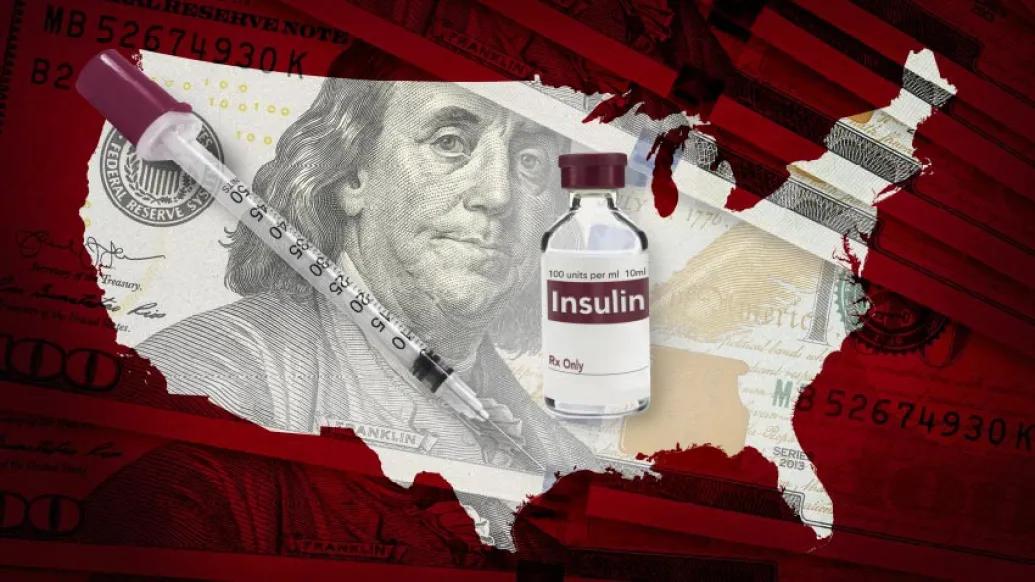
It's no secret that the current health care system doesn't best serve every American's needs, and one of the most evident examples of this is the rising unaffordability of insulin for patients with diabetes.
In fact, insulin can be so expensive that some patients with diabetes ration it – and those who do are more likely to have poor glucose control, potentially leading to life-threatening complications such as diabetic ketoacidosis.
In a new study published in JAMA Pediatrics, University of Michigan researchers found that capping the amount patients pay out-of-pocket for insulin could substantially improve affordability for many with type 1 diabetes.
The amount of benefit varied by the generosity of the cap and whether families were enrolled in high deductible health plans.
"Cost-sharing caps don't help the uninsured and don't address the underlying problem of high insulin prices," says lead author Kao-Ping Chua, M.D., Ph.D., a researcher and pediatrician at C.S. Mott Children's Hospital and the University of Michigan Medical School's Susan B. Meister Child Health Evaluation and Research Center. "However, our study shows that caps could be a useful stop-gap measure to improve insulin affordability until more comprehensive reforms are implemented."
The study
The team analyzed more than 12,000 privately insured children and young adults under the age of 21 with type 1 diabetes. The data showed that patients paid an average of $494 out-of-pocket for insulin in 2018, and that 1 in 8 patients had out-of-pocket spending exceed $1,000.
"To put those numbers in perspective, the Federal Reserve Board reported that 40% of Americans didn't have enough savings to pay for a $400 emergency in 2018," Chua says.
Chua's team estimated the effects of two hypothetical national caps on cost-sharing for insulin: one that limited cost-sharing to $25 for a 30-day supply, and one that limited cost-sharing to $100.
The data showed that approximately 60% of patients would have lower out-of-pocket spending under a $25 cap, with average savings of almost $480 per year. Approximately 18% of patients would have lower out-of-pocket spending under a $100 cap, with average savings of almost $560 per year.
MORE FROM THE LAB: Subscribe to our weekly newsletter
Among those covered by high deductible health plans, three-quarters would benefit from a $25 cap, while one-third would benefit from a $100 cap. Among those covered by other plans, half would benefit from a $25 cap, while one-eighth would benefit from a $100 cap.
This indicates caps would benefit patients covered by high deductible health plans to a greater degree because their out-of-pocket costs for insulin are higher at baseline.
What's the issue?
Insulin prices have tripled over the last decade, but not because it's become more expensive to make. According to Chua, the increases are due to lack of competition in the insulin market, coupled with the lack of regulation of drug prices in the U.S.
For many privately insured patients who face deductibles for prescription drugs, insulin price increases result in higher out-of-pocket costs. Patients have to pay full-price for insulin until the deductible is met, and then pay a portion of the price after that, such as 20%.
Unfortunately, patients who lose health insurance and cannot afford insulin are becoming additional victims of the COVID-19 pandemic.Kao-Ping Chua, M.D., Ph.D.
In 2019, several insurance companies, like Cigna, Express Scripts and Medica started implementing cost-sharing caps, which are typically $25 for a 30-day supply. In 2020, the federal government announced that some Medicare Part D plans will also cap insulin cost-sharing to $35 per 30-day supply.
States across the country such as Colorado, New Mexico, and California, have similarly passed laws limiting cost-sharing for insulin in private insurance plans. Chua emphasizes that these caps don't help the uninsured better afford insulin.
This is of particular concern now, as millions of Americans have lost their jobs and job-based insurance due to the global coronavirus crisis.
"Unfortunately, patients who lose health insurance and cannot afford insulin are becoming additional victims of the COVID-19 pandemic," he said.
This study was co-authored by Joyce Lee, M.D., M.P.H. from the University of Michigan Medical School and Rena Conti, Ph.D. from Questrom Boston University School of Business.
Paper cited: "Potential Change in Insulin Out-of-Pocket Spending Under Cost-Sharing Caps Among Pediatric Patients With Type 1 Diabetes", JAMA Pediatrics. DOI: 10.1001/jamapediatrics.2020.106

Health Lab
Explore thousands of health news & research stories by visiting the Health Lab homepage for more.
Media Contact

Public Relations
Department of Communication at Michigan Medicine
Stay Informed
Want top health & research news weekly? Sign up for Health Lab’s newsletters today!
Featured News & Stories

Many older adults make Medicare decisions quickly and most don’t change plans, poll finds

What’s the latest on 7-OH and kratom availability and addiction care?

Better prenatal care data could help prevent maternal complications, experts say

Many hospitals still don’t do enough to prevent UTIs from catheters

Digital alerts support timely treatment decisions of critically ill cardiac patients

