
How Diabetes and Obesity Affect the Brain
A physician-scientist explains his latest research in the area.
5:00 AM
Author |

With more than 30 million Americans diagnosed with diabetes, and another 87 million diagnosed with obesity, both conditions have become national epidemics.
The two diseases cause a number of complications, including neuropathy, which causes damage to the peripheral nerves. Neuropathy is characterized by numbness or tingling and can sometimes be accompanied by pain.
Brian Callaghan, M.D., the Fovette E. Dush associate professor of neurology, has sounded an alarm through his recent clinical research, which has demonstrated that, in addition to peripheral nerve damage, diabetes and obesity can also cause cognitive dysfunction, effecting thinking, reasoning or memory.
Here, Callaghan discusses his latest work and ways to identify and treat the condition:
SEE ALSO: 6 Causes of Neuropathy — and How to Manage the Condition
How are obesity, prediabetes and diabetes related?
Obesity, prediabetes and diabetes tend to cluster together in people. Those that are obese are more likely to have diabetes and vice versa. However, there are exceptions, and some people who are diabetic are not obese, and the reverse. Studying these exceptions helps us tease out how diabetes and obesity affect the body individually. We found that diabetes and obesity both injure the peripheral and central nerves, but that obesity does not significantly affect other diabetic complications like retinopathy or nephropathy.
What are tell-tale signs for neuropathy?
Neuropathy usually starts with numbness, tingling or pain in the feet. It starts in the toes and works its way up, sometimes to the knees, before moving into the hands. We call that a stocking-glove distribution. It's usually the same on the left and the right. One of the things that bothers people most is the pain, which is one of the things we help patients manage. But the pain is hard to treat and really impacts their quality of life.
MORE FROM THE LAB: Subscribe to our weekly newsletter
How do you treat neuropathy?
We have three drug classes that can be useful for nerve pain. There are also a couple of topical creams, such as lidocaine and capsaicin, that do help, although we have much less data to support their use. There are also new non-pharmacological approaches for treating pain in neuropathy, including cognitive behavioral therapy and mindfulness.
Although we can treat the pain, it doesn't fix the underlying problem. Bariatric surgery and exercise hopefully will fix the problem for many people by reversing the metabolic dysfunction that obesity and diabetes causes. In our recent research, we've been investigating if it's more important to lose weight or to exercise, or if you have to do both. These interventions also improved blood pressure and dyslipidemia, so they have many positive effects. In addition to losing weight and exercising, stopping smoking and reducing alcohol consumption may improve diabetic neuropathy, which we showed in a recent study to determine which risk factors are most impactful.
Are there obvious signs of damage to the central nervous system and brain?
Peripheral nerves in your feet are very different from central nerves in your brain. When peripheral nerves get injured, you get numbness and tingly sensations. That same process occurs in your brain, but if you lose a few nerves in your brain, you're just not quite as sharp, but you're not so cognitively impaired that it's obvious. The changes to your brain are so subtle you might not notice, whereas the nerves in your feet cause perceptible symptoms.
How do you test cognitive decline for diabetes and obesity?
We have tests that measure different brain functions. For example, visual spatial tasks, memory, planning, judgment and so on.
Usually in the clinic we're not testing early signs of cognitive decline. Usually, the patient sees us when they're having problems that are starting to interfere with their daily life, but it's already too late in the process of cognitive decline at that point. We'd like to see patients before they reach that point, and part of our research is finding ways to predict who might be at risk of cognitive decline so that they may take preventive steps.
What have you learned about obesity through your research and how it relates to cognition? What's next?
In our latest paper we found that a person's waist size related the most to cognitive decline out of nine different body measurements. Localized fat around the abdomen affected cognition more than total fat.
Soon we'll be done with a longitudinal study with the same study group, who we've been following for two years, to see how and if their brain function has changed. That'll be very interesting.
What's next in the search for a neuropathy treatment?
We're approaching many different angles trying to figure out how to help people's nerve health, both in the feet and in the brain. We have a clinical trial comparing the effect of an exercise program on neuropathy and cognition in people who undergo bariatric surgery and those who don't. We're in year two of five for that study. Eva Feldman and her team are looking at which types of fat impair nerve function; specifically saturated versus unsaturated fat.
Like Podcasts? Add the Michigan Medicine News Break to your Alexa-enabled device or subscribe for updates on iTunes, Google Play and Stitcher.

Health Lab
Explore thousands of health news & research stories by visiting the Health Lab homepage for more.
Media Contact

Public Relations
Department of Communication at Michigan Medicine
Stay Informed
Want top health & research news weekly? Sign up for Health Lab’s newsletters today!
Featured News & Stories

Patient with rare form of diabetes finds answers in genetic testing, clinical trials
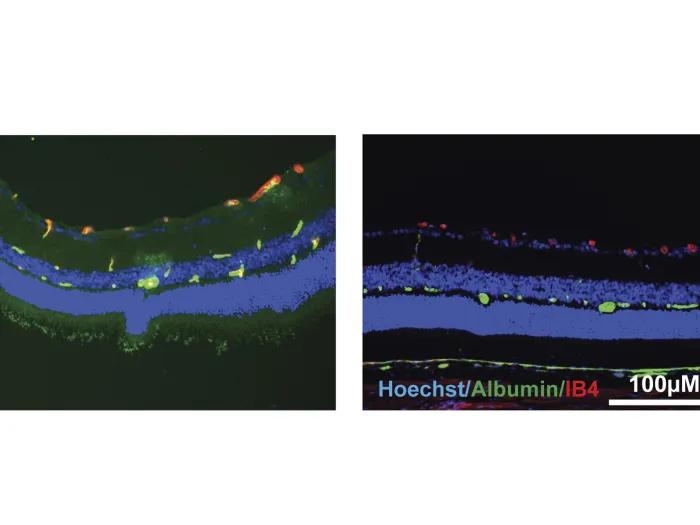
Treatment with norrin helped maintain healthy blood vessels, preserved vision in diabetic rats

Could a diabetes medication be the next wonder drug?

Gene editing is coming for common diseases. Are we ready?

A pediatric epilepsy fundraiser that changes lives

