Can Cancer Cause Blood Clots?
U-M researchers are probing the cause of cancer-related deep vein thrombosis in hopes of developing new therapies.
12:25 PM
Author |
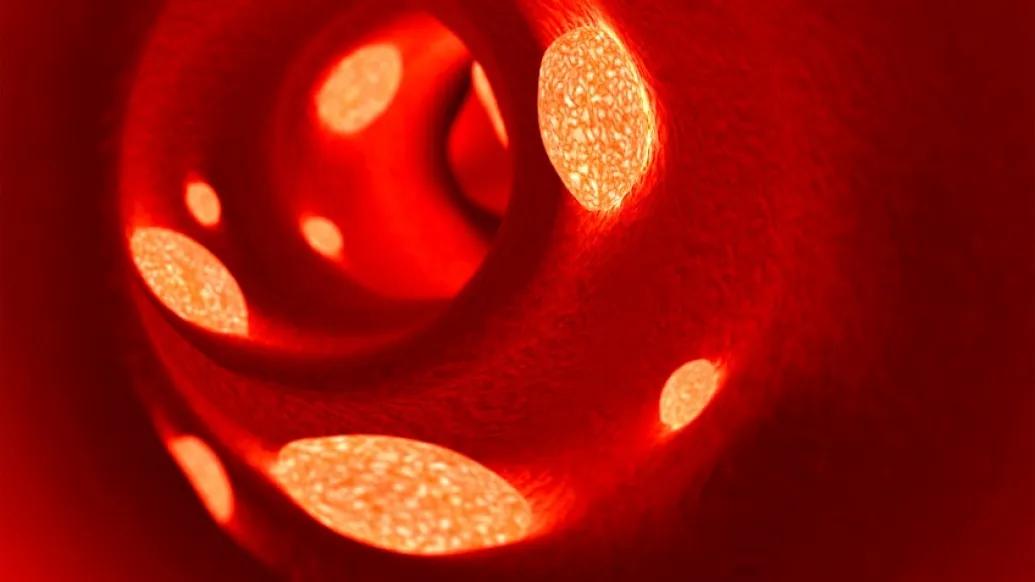
As patients with cancer fight for their lives, they face a hidden threat for dangerous blood clots.
Surgery and increased bed rest may increase the risk for blood clots. In addition, cancer patients will usually require a peripherally inserted central catheter (or PICC line) to receive IV chemotherapy. PICC lines have been linked with an increase risk for venous thrombosis in the upper extremities.
Unfortunately, anticoagulation therapy is not as effective to prevent blood clots in cancer patients. This has led researchers to examine how cancer appears to tip the body's balance toward pro-clotting.
Cancer patients could be really sick, but if you have DVT in that context, the morbidity and mortality increase.José Antonio Diaz, M.D.
The mechanisms at work
"We know that patients with cancer have a high risk of developing deep vein thrombosis and DVT recurrence," says José Antonio Diaz, M.D., a vascular surgery researcher in the Conrad Jobst Vascular Research Laboratories at the University of Michigan Cardiovascular Research Center. "We know that there is a relationship between these two diseases, but we hope we can find out why these two diseases are linked. Our main hypotheses are focused around molecules that have been described in both diseases."
Diaz has furthered the understanding of the role galectins play in DVT, clots in the legs that can cause cramping, swelling and a fatal complication known as pulmonary embolism.
Galectins are a family of carbohydrate-binding proteins that are involved in a variety of biological functions, including cell activation and inflammation. Diaz's lab was the first to confirm the location of one of the molecules in that protein family, galectin-3, or gal3, and its role in promoting DVT. The findings were published in the journal Blood.
Galectins are also well-known players in cancer progression and metastasis. Diaz now wants to focus his research on better understanding the link between the two diseases, and how it might be related to the co-occurring molecule.
Treatments in development
Of the patients who develop blood clots, 20 to 30 percent have a history of cancer.
As physicians treat cancer-associated DVT, the approach is usually different. Cancer patients may need longer, more complex anticoagulation therapies to prevent new clots from forming.
"There's something physiologically different about blood clots generated during the cancer experience," suggests Geoffrey Barnes, M.D., a cardiologist and vascular medicine specialist at the University of Michigan Frankel Cardiovascular Center.
Once cancer patients develop a blood clot, they have the highest risk of recurrence, he says.
In Diaz's lab, researchers have developed a new model to study cancer-associated thrombosis, and, using this new tool, are getting preliminary data for future research.
"I hope we are on the right path," says Diaz, a research assistant professor in the Department of Surgery Section of Vascular Surgery. "Cancer patients could be really sick, but if you have DVT in that context, the morbidity and mortality increase. I really hope to help those patients by finding mechanisms that could provide new targets for new treatments."

Health Lab
Explore thousands of health news & research stories by visiting the Health Lab homepage for more.
Media Contact

Public Relations
Department of Communication at Michigan Medicine
Stay Informed
Want top health & research news weekly? Sign up for Health Lab’s newsletters today!
Featured News & Stories
FDA-approved drug offers hope for patients with polycythemia vera, a rare bone marrow disorder

Social, financial barriers linked to reduced treatment for dangerous blood clots
12-year-old shares journey with sickle cell anemia on Capitol Hill

First U-M patient receives newly FDA-approved stem cell therapy for sickle cell anemia
CAR T-cell Therapy