Vision Impairment is Associated with Mortality
A meta-analysis finds that vision impairment and blindness are tied to an increased risk of mortality, prompting the need to address global eye health disparities.
2:08 PM
Author |
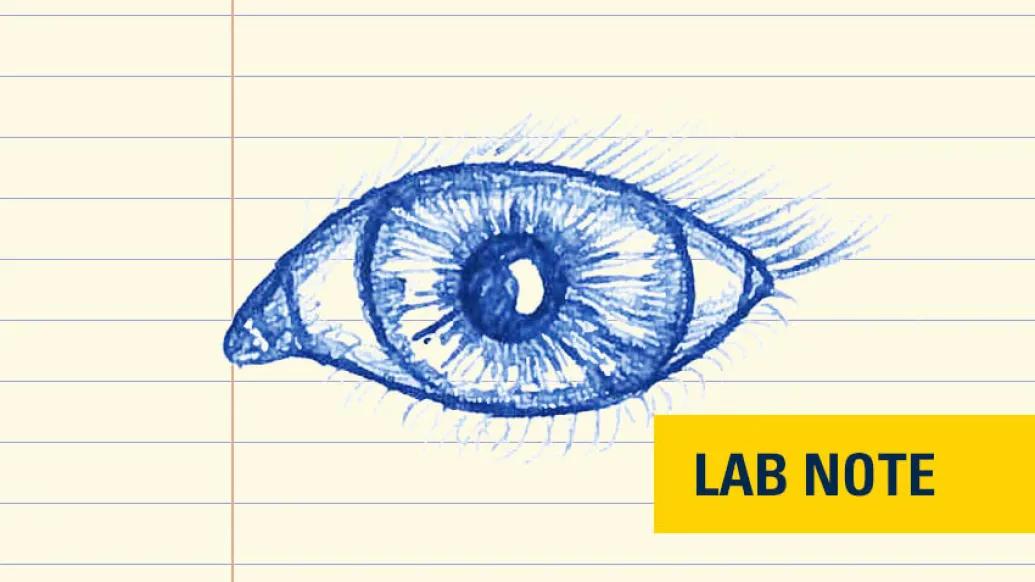
The global population is aging, and so are their eyes. In fact, the number of people with vision impairment and blindness is expected to more than double over the next 30 years.
A meta-analysis in The Lancet Global Health, consisting of 48,000 people from 17 studies, found that those with more severe vision impairment had a higher risk of all-cause mortality compared to those that had normal vision or mild vision impairment.
According to the data, the risk of mortality was 29% higher for participants with mild vision impairment, compared to normal vision. The risk increases to 89% among those with severe vision impairment.
Importantly, four of five cases of vision impairment can be prevented or corrected. Globally, the leading causes of vision loss and blindness are both avoidable: cataract and the unmet need for glasses.
The study's lead author, Joshua Ehrlich, M.D., M.P.H., sought to better understand the association between visual disabilities and all-cause mortality.
The work compliments some of Ehrlich's recent research, also in The Lancet Global Health Commission on Global Eye Health, that highlighted the impact of late-life vision impairment on health and well-being, including its influence on dementia, depression, and loss of independence.
"It's important these issues are addressed early on because losing your vision affects more than just how you see the world; it affects your experience of the world and your life," says Ehrlich. "This analysis provides an important opportunity to promote not only health and wellbeing, but also longevity by correcting, rehabilitating, and preventing avoidable vision loss across the globe."
This research was funded by Wellcome Trust, Commonwealth Scholarship Commission, National Institutes of Health, Research to Prevent Blindness, the Queen Elizabeth Diamond Jubilee Trust, Moorfields Eye Charity, National Institute for Health Research, Moorfields Biomedical Research Centre, Sightsavers, the Fred Hollows Foundation, the Seva Foundation, the British Council for the Prevention of Blindness, and Christian Blind Mission.
Paper cited: "Association between vision impairment and mortality: a systematic review and meta-analysis," The Lancet Global Health. DOI: 10.1016/S2214-109X(20)30549-0

Health Lab
Explore thousands of health news & research stories by visiting the Health Lab homepage for more.
Media Contact

Public Relations
Department of Communication at Michigan Medicine
In This Story

Josh Ehrlich
Associate Professor
Stay Informed
Want top health & research news weekly? Sign up for Health Lab’s newsletters today!
Featured News & Stories

The AI is listening: Implications of machine generated clinical notes on health care
Comprehensive DNA sequencing reveals hidden drivers of cancer
‘Molecular glue’ stabilizes protein that inhibits development of non-small cell lung cancer and uterine cancer

Many older adults make Medicare decisions quickly and most don’t change plans, poll finds
4 in 5 parents say having a baby is too expensive