Researchers find natural mechanism to sensitize cancer to immunotherapy
A study defines how a type of cell death occurs from a protein and fatty acid found inside the body.
8:52 AM
Author |
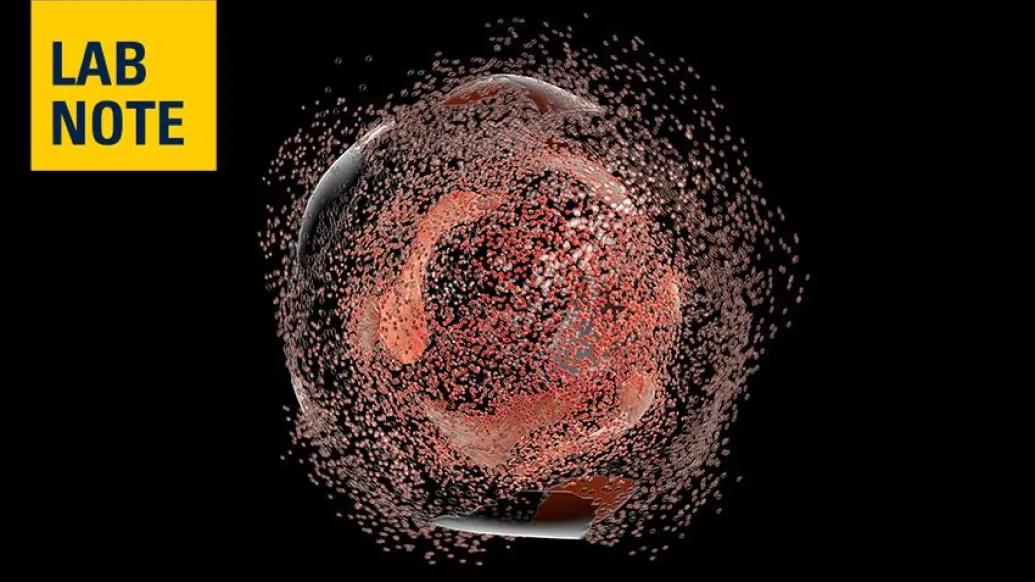
Researchers at the University of Michigan Rogel Cancer Center found that a cytokine, a category of protein that acts as messengers in the body, and a fatty acid can work together to trigger a type of cell death previously defined by studies with synthetic molecules.
The study, published in Cancer Cell, looked at cell cultures and in vivo mouse experiments to see how the release of a T-cell cytokine called interferon gamma combined with arachidonic acid, a fatty acid, leads to a type of cell death called ferroptosis via targeting the enzyme ACSL4. Ferroptosis has been found to occur in tumor cells and play a role in cancer immunity. Understanding how ferroptosis occurs could open pathways to make immunotherapy treatments more effective.
"Targeting ACSL4 may help in understanding and expanding possible immunotherapy options," said Weiping Zou, M.D., Ph.D., director the Center of Excellence for Cancer Immunology and Immunotherapy and lead researcher on this study.
Zou explains that this natural mechanism begins when activated T-cells release interferon gamma, a signaling protein. "It's well known that interferon gamma is involved in anti-tumor responses," said Zou. "But in this study, we defined a new way that it works."
This study shows that combining interferon gamma with arachidonic acid, a fatty acid found in the tumor microenvironment, activates ACSL4, alters tumor cell lipid pattern, and naturally induces tumor cell ferroptosis. "ACSL4-dependent tumor ferroptosis is a mode of action of killer T cells," said Zou. "Targeting ACSL4 sensitizes cancer to immunotherapy."
Zou's lab was the first to identify a role for ferroptosis in cancer immunity and therapy, highlighting the possibility of targeting this pathway to improve the effectiveness of immunotherapy in people with cancer. While immunotherapy has dramatically changed outcomes in melanoma, lung cancer and other cancer types, the treatments work for only about 30% of people with cancer.
These new findings add more knowledge to how ferroptosis works in patients with cancer, which Zou hopes will prompt further investigation.
"This study raises a lot of questions for us to keep exploring, particularly around the basic biology of cell ferroptosis, including the involvement of different fatty acids and dietary lipids, the different roles immune cells play in ferroptosis, and how to target ACSL4 and ferroptosis pathways," Zou said. "For now, there are many unknowns, but we'll continue to work in this space."
Paper cited/DOI: "CD8+ T cells and fatty acids orchestrate tumor ferroptosis and immunity via ACSL4," Cancer Cell. DOI: 10.1016/j.ccell.2022.02.003

Health Lab
Explore thousands of health news & research stories by visiting the Health Lab homepage for more.
Media Contact

Public Relations
Department of Communication at Michigan Medicine
Stay Informed
Want top health & research news weekly? Sign up for Health Lab’s newsletters today!
Featured News & Stories

Studying a protein modification process in worms provides potential insights for human health
How the western diet and gut bacteria can lead to scarring, vessel damage in scleroderma

Early blood tests predict death, severe disability for traumatic brain injury
Researchers find link between genetic mutations and cancer treatment resistance

Thyroid hormone treatment intensity linked to increased risk of cardiovascular mortality