Researchers find link between genetic mutations and cancer treatment resistance
Patients with relapsed multiple myeloma are resistant to commonly used treatments. Researchers are one step closer to understanding the genetic reason why.
5:00 AM
Author |
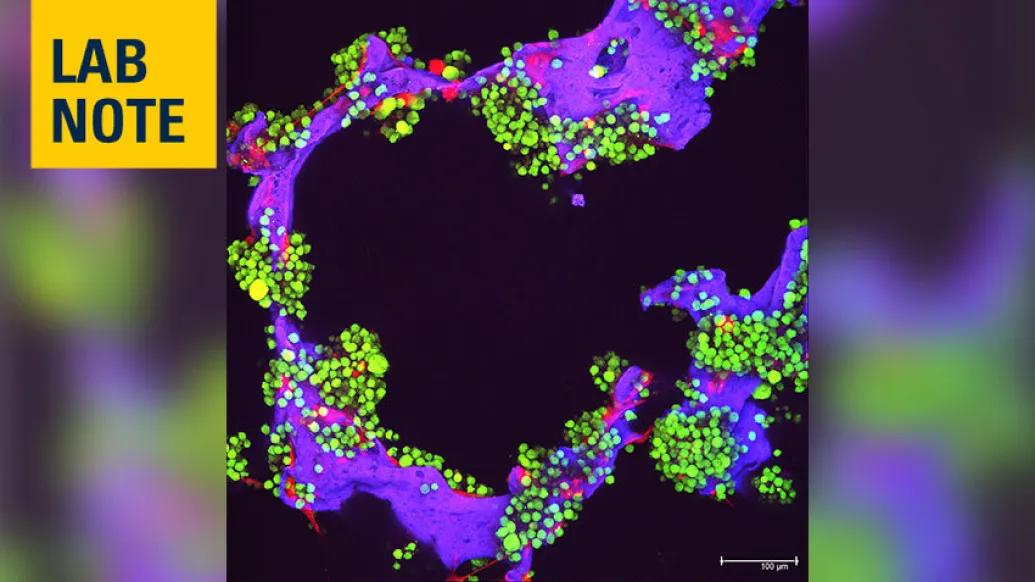
Researchers from the University of Michigan Rogel Cancer Center, studying the molecular landscape of over 500 patients with an aggressive form of multiple myeloma, discovered a prevalence of activated key oncogenic pathways in these patients, much more than previously thought. Upwards of 45-65% of NF-κB and RAS/MAPK pathways each had alterations. The study was published in Nature Communications.
Further, Arul Chinnaiyan, M.D., Ph.D., director of the Michigan Center for Translational Pathology, and his team found a link between mutations and RASopathies, a certain group of genetic syndromes, in patients with relapsed treatment-resistant multiple myeloma. This was the first observation of its kind.
The team compared the molecular makeup of patients with untreated multiple myeloma to those with the relapsed treatment-resistant version of the disease. Comparing these patients allowed researchers to describe drivers of the more aggressive form of multiple myeloma.
"It also led us to discover resistance mechanisms that occur in the patients whose disease relapses and is resistant to treatment," Chinnaiyan said. "We found that an upwards of a quarter of the patients had developed some sort of resistance mechanism. The genetic alterations that occur in these patients make them resistant to commonly used treatments of multiple myeloma."
This study was funded by the Multiple Myeloma Research Foundation and included patient samples from its Multiple Myeloma Research Consortium—a collaborative network of 22 leading cancer centers focused on investigating the most promising early-stage therapies. Clinical sequencing is powered by the Mi-Oncoseq Program at Michigan Medicine, directed by Chinnaiyan and Dan Robinson, Ph.D. From knowledge gained through this work, researchers have initiated a study that assigns patients to individual arms of a clinical trial based on their molecular profile to match alterations with potential therapies using a comprehensive sequencing-based approach.
Chinnaiyan says that while this current study was retrospective, he's hopeful about the future. "We're developing tools and knowledge to translate these strategies into actual clinical impact for patients."
"Treatment of relapsed multiple myeloma can be extremely difficult despite the tremendous progress we have made," said Hearn Jay Cho, M.D., Ph.D., Chief Medical Officer of the MMRF. "Uncovering new targets and therapies that act upon them may be helpful in the future for patients who develop resistance to current treatment such as CD38-targeting monoclonal antibodies. Consistent with our mission, MMRF is committed to supporting research initiatives that accelerate the discovery of new treatments and further advance care for all patients with multiple myeloma."
Paper cited: "The genetic heterogeneity and drug resistance mechanisms of relapsed refractory multiple myeloma," Nature Communications. DOI: 10.1038/s41467-022-31430-0
Additional authors: Josh N. Vo, Yi-Mi Wu, Jeanmarie Mishler, Sarah Hall, Rahul Mannan, Lisha Wang, Yu Ning, Jin Zhou, Alexander C. Hopkins, James C. Estill, Wallace K. B. Chan, Jennifer Yesil, Xuhong Cao, Arvind Rao, Alexander Tsodikov, Moshe Talpaz, Craig E. Cole, Jing C. Ye, Multiple Myeloma Research Consortium, P. Leif Bergsagel, Daniel Auclair, Hearn Jay Cho, Dan R. Robinson
Funding: Multiple Myeloma Research Foundation (ORSP 19-PAF05802); National Cancer Institute (NCI, grant R35-CA231996); the Early Detection Research Network (grant U01-CA214170); the Prostate Cancer Foundation. J.N.V. and A.M.C. is supported by funding from the NCI Clinical Proteomic Tumor Analysis Consortium (grant U24-CA210967). A.M.C. is a Howard Hughes Medical Institute Investigator, A. Alfred Taubman Scholar, and American Cancer Society Professor.

Health Lab
Explore thousands of health news & research stories by visiting the Health Lab homepage for more.
Media Contact

Public Relations
Department of Communication at Michigan Medicine
Stay Informed
Want top health & research news weekly? Sign up for Health Lab’s newsletters today!
Featured News & Stories

Belzutifan offers hope for patients with von Hippel-Lindau disease
Timing is of the essence for RNA during stress
New anti-cancer strategy shows promise in preclinical studies
More babies with hypoplastic left heart syndrome surviving critical period between surgeries
Exploring the mind’s mysteries: 130 years of mental health care & innovation at U-M