
Preparing clinicians for artificial intelligence, machine learning
Physicians say demystifying data is key
5:00 AM
Author |
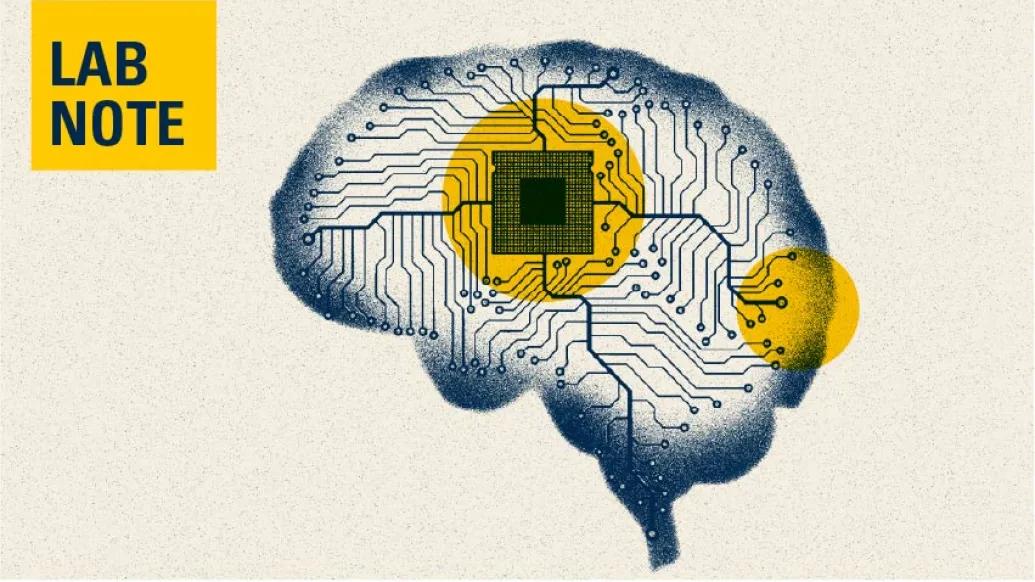
A recent Viewpoint in JAMA highlighted the importance of properly introducing clinicians to, and training them in, artificial intelligence (AI) and machine learning (ML) technologies. The piece—written by Cornelius James, M.D., a clinical assistant professor of internal medicine and pediatrics; James Woolliscroft, M.D., professor of medicine and former dean of U-M's Medical School; and Bob Wachter, M.D., professor and chair of UCSF's Department of Medicine echoes the theme of U-M's Precision Health's webinar series for the 2021-22 academic year ("Demystifying the Data, Processes, and Tools that Are Changing Clinical Care").
In the JAMA Viewpoint, the co-authors state, "it is likely that every medical specialty will be influenced by AI, and some will be transformed." Because of this, they stress that "multiple levels of oversight are needed," as well as "clinician review and trust of these technologies."
The authors suggest that physicians "welcome skepticism, avoid cynicism" when it comes to AI. While it is true that AI applications have yet to display "rigorous evidence of consistent success and benefit in clinical settings," clinicians nevertheless "need to have a realistic understanding of the potential uses and limitations of medical AI applications" to sidestep cynicism and optimize patient outcomes. Also, as patients become more active in their medical decision-making processes, it will fall to clinicians to "successfully broker the triadic relationship between patients, the computer, and themselves."
"AI/ML will play an increasingly important role in many facets of health care. This means frontline clinicians will need to know how to engage with these technologies in an effective and efficient manner as they make medical decisions," says James. "We must not wait until this technology is ubiquitous to begin discussing the important role that clinicians should play in the development, deployment, and implementation of AI/ML models in health care. In this Viewpoint, we provide recommendations to ensure that not only will clinicians be ready for AI in health care, but that they are able to play an integral role in preparing patients as well."

Health Lab
Explore thousands of health news & research stories by visiting the Health Lab homepage for more.
Media Contact

Public Relations
Department of Communication at Michigan Medicine
Stay Informed
Want top health & research news weekly? Sign up for Health Lab’s newsletters today!
Featured News & Stories
Study identifies a signaling cascade behind retina regeneration in zebrafish
Disparities in accessing care could worsen if audio visits aren’t available as a telehealth option
Telehealth flexibilities didn’t send Medicare visits soaring, despite worries

Telehealth continues to substitute for in-person care among older adults, but rural use lags

Pandemic tripled telehealth use for Gen Z, but even digital natives want in-person care

