Nonopioid pain prescriptions increased after 2016 CDC guideline, study finds
Researchers say the findings suggest more clinicians are carefully considering the risks of prescribing opioids.
5:00 AM
Author |
Researchers say the findings suggest more clinicians are carefully considering the risks of prescribing opioids.
After the Centers for Disease Control and Prevention released a guideline for prescribing opioids to patients experiencing chronic pain in 2016, the prescribing rate of nonopioid pain medication increased each year above and beyond what would be expected based on the preexisting trends, a study finds.
The 2016 guideline aimed to help United States clinicians treat adult patients for chronic pain while weighing the benefits and risks of prescribing opioids, as more Americans died of opioid-related overdose. Using insurance claims data from over 15 million patients, a team of researchers from Michigan Medicine and the CDC analyzed the prescribing rates of nonopioid pain medications, such as acetaminophen and nonsteroidal anti-inflammatory drugs (NSAIDs).
They found that the odds of prescribing a nonopioid pain medication in 2016 were 3% higher than expected from pre-guideline estimates for the same year. That number increased to 8% in 2017 and 9.7% in 2018. The results are published in JAMA Network Open.
SEE ALSO: Could time limits on opioid prescriptions reduce misuse?
"These findings suggest that clinicians have been prescribing nonopioid pain medications more frequently since the 2016 guideline was released, and that may mean that they've considered opioid therapy only if its expected benefits exceeded the expected risks to the patient," said Jason Goldstick, Ph.D., lead author of the study and a research associate professor of emergency medicine at University of Michigan Medical School.
"Though many characteristics – such as pain intensity and effectiveness of pain management – are not available in these data, these results may represent an increase in guideline-concordant pain treatment."
The increase in nonopioid pain medication prescribing coincided with a significant drop in opioid prescribing over the same period, consistent with other research showing reductions in opioid prescribing following the 2016 guideline release. Increases in nonopioid pain medication prescribing were consistent across several patient subpopulations, including those with recent opioid exposure, as well as those with anxiety or mood disorders.
SEE ALSO: Just over half of Michigan pharmacies offer overdose-fighting naloxone without prescription
"The 2016 guideline encouraged caution in prescribing opioids, and it was possible that it could have reduced the use of pain treatments overall," said Amy Bohnert, Ph.D., M.H.S., senior author of the paper and associate professor of psychiatry at U-M Medical School. "Our analysis provides an encouraging sign that patients were more often offered other treatments for pain than before the guideline, rather than only being offered opioids less often."
Researchers say the changes in prescribing may have also led to a shift toward the use of some nonpharmacologic treatments, including physical therapy and cognitive behavioral therapy. They note additional research on changes in nonpharmacologic pain treatments, as well as undertreatment of pain and patient pain outcomes, are needed to gain a fuller understanding of changes to the pain management landscape following the 2016 guideline release.
"Multimodal and multidisciplinary approaches to pain management that address the biological, psychological and social characteristics of each person are a critical part of a comprehensive treatment protocol," researchers wrote. "Further analysis can help identify the avenues through which pain relief can be optimized."
Like Podcasts? Add the Michigan Medicine News Break on Spotify, Apple Podcasts or anywhere you listen to podcasts.
Additional authors include Matthew G Myers, M.P.H., of Michigan Medicine, and Gery P. Guy, Ph.D., M.P.H., Jan L. Losby, Ph.D., M.S.W., and Grant T. Baldwin, Ph.D., M.P.H., all of the CDC
This work was funded in part by grant 19IPA1906094 (Dr Goldstick), U01CE002780 (Dr Bohnert), and R49CE003085 from the Centers for Disease Control and Prevention.
Paper cited: "Patterns in Nonopioid Pain Medication Prescribing After the Release of the 2016 Guideline for Prescribing Opioids for Chronic Pain," JAMA Network Open. DOI: DOI: 10.1001/jamanetworkopen.2022.16475
Live your healthiest life: Get tips from top experts weekly. Subscribe to the Michigan Health blog newsletter
Headlines from the frontlines: The power of scientific discovery harnessed and delivered to your inbox every week. Subscribe to the Michigan Health Lab blog newsletter

Health Lab
Explore thousands of health news & research stories by visiting the Health Lab homepage for more.
Media Contact

Public Relations
Department of Communication at Michigan Medicine
Stay Informed
Want top health & research news weekly? Sign up for Health Lab’s newsletters today!
Featured News & Stories
Major Changes to Medicaid

Sports gambling on the rise among college students

5 ways to manage politically induced stress
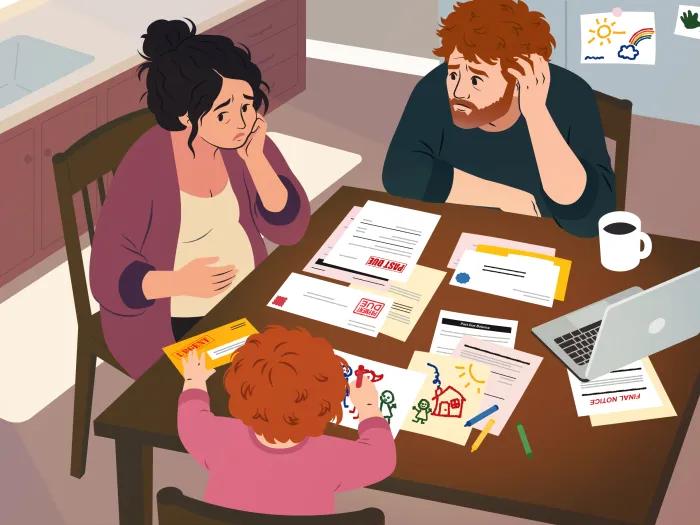
4 in 5 parents say having a baby is too expensive

What’s the latest on 7-OH and kratom availability and addiction care?