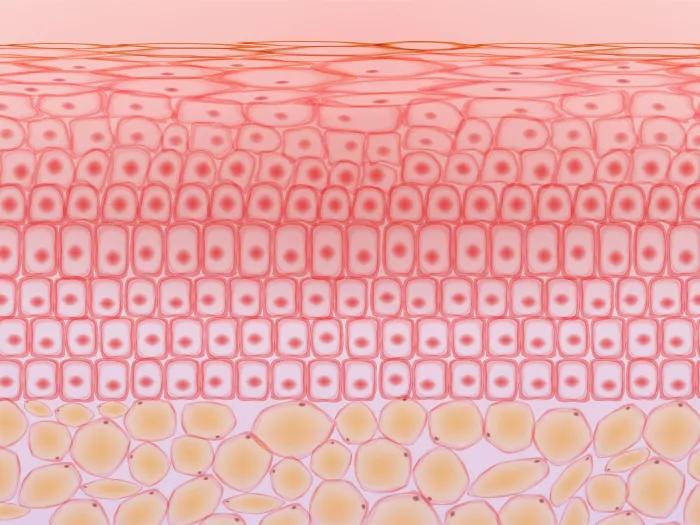
New gene found suppressed in scleroderma brings potential target for treatment
When the gene was suppressed in mice, signs of scleroderma started to develop.
12:39 PM
Author |

Investigators at Michigan Medicine have discovered that a gene associated with cilia is linked to the development of scleroderma.
Previously, scientists were unaware of the SPAG17 (Sperm-Associated Antigen-17) gene's loss in scleroderma, an orphan disease that affects 200,000 Americans. But in a study published in the Journal of Investigative Dermatology, researchers found that SPAG17 plays a crucial role in the scarring that occurs in patients with the autoimmune condition.
Investigators used RNA sequencing to measure the SPAG17 in the skin in patients with scleroderma, finding that those with lower levels of the genes had a higher chance of fibrosis. When the SPAG-17 gene was deleted in mice, they developed the trademark skin thickening and fibrosis from scleroderma.
"This discovery advances our understanding of fibrosis and scar formation that underlie the lethal complications of scleroderma," said John Varga, M.D., senior author of the paper and chief of the Division of Rheumatology at the University of Michigan, which has a renowned Scleroderma Program. "It opens a new door to study a gene that we and others have not thought was present before. We can now investigate why SPAG17 is suppressed in scleroderma and if there is a way to restore its function, resulting in reversal of fibrosis"
Additional authors include Maria Teves from the Medical College of Virginia, and Pei-Suen Tsou, Priyanka Verma, Dibyendu Bhattacharyya, Johann E. Gudjonsson and Feiyang Ma all from the University of Michigan. For the full list of authors, see the published journal.
Paper cited: "Reduced SPAG17 expression in systemic sclerosis triggers myofibroblast transition and drives fibrosis," JD Investigative Dermatology. DOI: 0.1016/j.jid.2022.08.052
Live your healthiest life: Get tips from top experts weekly. Subscribe to the Michigan Health blog newsletter
Headlines from the frontlines: The power of scientific discovery harnessed and delivered to your inbox every week. Subscribe to the Michigan Health Lab blog newsletter
Like Podcasts? Add the Michigan Medicine News Break on Spotify, Apple Podcasts or anywhere you listen to podcasts.

Health Lab
Explore thousands of health news & research stories by visiting the Health Lab homepage for more.
Media Contact

Public Relations
Department of Communication at Michigan Medicine
Stay Informed
Want top health & research news weekly? Sign up for Health Lab’s newsletters today!
Featured News & Stories
Immune system protein is a cancer killer on its own, new study shows

The AI is listening: Implications of machine generated clinical notes on health care

$3.9 million NIH grant to fuel U-M effort to develop first targeted therapy for fatal childhood brain disorder

15 years of data will help uncover how flu spreads—and how to reduce its impact
Bigger data reveals the second, third and fourth switches controlling a gene