Faster Feeding May Mean Faster Recovery in Pancreatitis, Evidence Shows
Common practice keeps hospitalized pancreatitis patients away from food or IV feeding. But a new analysis finds earlier nutrition might help patients with mild cases recover and go home.
5:00 PM
Author |
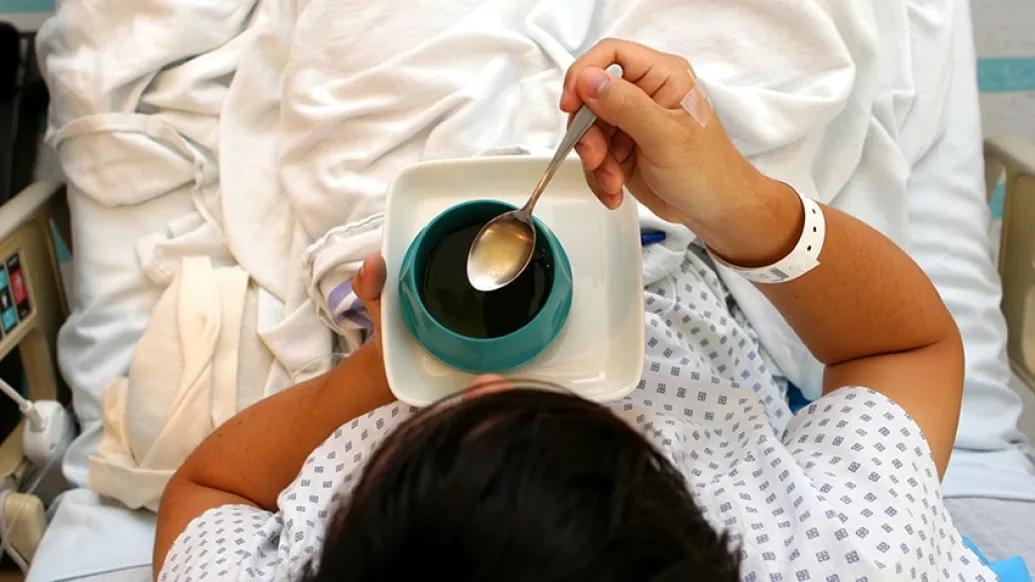
When the excruciating pain of a pancreas attack sends someone to the hospital, eating is probably the last thing they're thinking of. And for decades, medical teams have kept such patients away from solid food for days.
MORE FROM THE LAB: Subscribe to our weekly newsletter
But new research finds that patients who get food by mouth or feeding tube early in their illness may get out of the hospital quicker — without added risk or problems.
A new paper published in Annals of Internal Medicine by a team from the University of Michigan Institute for Healthcare Policy and Innovation and the VA Ann Arbor Healthcare System analyzed results from studies of the timing of feeding in acute pancreatitis.
When researchers combined results from 11 randomized studies involving almost 1,000 patients, they found that when patients with mild pancreatitis were given food within 48 hours of hospital admission, they had fewer symptoms such as nausea, pain or vomiting. The strategy seems to have led to faster recovery and earlier discharge from the hospital.
And their risk of returning to the hospital, suffering a complication or dying was no higher than for patients who didn't get food until several days into a hospital stay.
For patients with more severe cases, the overall evidence was weak but still did not show harm with earlier nutrition.
"Food does more than just provide nutrition," says lead study author Valerie M. Vaughn, M.D., M.Sc. "It stimulates the gut and protects your body from harmful bacteria that might enter through the bowels."
It could also help patients feel better faster and avoid hospital-related infections and complications from a longer hospital stay, she says. Because of these benefits, other critically ill patients, such as those with sepsis, are typically fed as early as possible. But patients with pancreatitis haven't been treated this way.
"Historically, we've been taught that if the pancreas was inflamed, eating would cause it to release more digestive enzymes and may worsen the situation — so whatever you do, don't feed patients," says Vaughn. "Then, studies in Europe began to suggest that patients did fine if they were fed early, so we started feeding when lab values or symptoms reached a certain point.
"Now, our thinking has moved all the way toward letting them eat immediately," she says. "Our thought process over the years has really changed, and we hope this study will lead to consideration of early feeding for more patients."
Changing care
Vaughn's clinical role as a hospitalist at Michigan Medicine, the U-M academic medical center, involves caring for many patients with pancreatitis. But only in recent years have she and her colleagues considered feeding such patients solid food or delivering liquid food via tube into the stomach or small intestine early in their stay.
SEE ALSO: To Prep Patients for Surgery, Train Them Like Athletes
Early attempts to get nutrients into such patients focused on delivering fluids and nutrients directly into the bloodstream — an option called parenteral feeding that requires an intravenous device. Such devices can be gateways for bacteria to enter the body, breed and cause infections, especially in vulnerable people.
Now, only patients who can't tolerate feeding by tube or mouth for long periods should get parenteral nutrition, says Vaughn, a clinical lecturer in general medicine at the U-M Medical School and member of the joint U-M/VA Patient Safety Enhancement Program.
Acute pancreatitis is one of the most common causes of hospitalization for gastrointestinal reasons. Whether brought on by gallstones, alcohol use or other causes, acute pancreatitis and its complications — including sepsis — can be deadly for about 10 percent of patients.
Because the condition costs the American health care system more than $2.6 billion a year for hospital care alone, any chance to reduce costs and improve patient outcomes is important, says Vaughn.
Gold-standard evidence
For the new paper, Vaughn and her colleagues reviewed only data from randomized clinical trials of early feeding — the gold standard of evidence.
They included a study published in the New England Journal of Medicine that suggested early feeding didn't reduce the length of hospital stays for patients with severe pancreatitis — but noted that the studies of patients with severe pancreatitis had different protocols and outcomes.
"Many of the severe studies fed all of their patients relatively quickly," says Vaughn. "This makes it hard to combine and evaluate their results."
As for what patients with acute pancreatitis should eat, Vaughn recommends what they think they can handle.
Water is always a good first step. Then for some, chicken noodle soup may sound good — and for others, perhaps popsicles. If solid food just doesn't sound appealing, a feeding tube to deliver liquid food to the stomach or intestine might be the next stop. If a patient is in intensive care, starting with a tube is preferable to IV nutrition.
"People understand their bodies. Restricting their diet is not the way to go anymore," she says.

Health Lab
Explore thousands of health news & research stories by visiting the Health Lab homepage for more.
Media Contact

Public Relations
Department of Communication at Michigan Medicine
Stay Informed
Want top health & research news weekly? Sign up for Health Lab’s newsletters today!
Featured News & Stories
What’s changing in Medicaid and what can you do?
Top 7 tips for choosing Medicare prescription drug coverage for 2027

Many older adults make Medicare decisions quickly and most don’t change plans, poll finds

What’s the latest on 7-OH and kratom availability and addiction care?
Better prenatal care data could help prevent maternal complications, experts say