Premature Ventricular Contractions Could Lead to a More Serious Heart Condition
It’s not always love when your heart skips a beat. Here’s what you need to know about PVCs, including triggers, symptoms and treatment.
7:00 AM
Author |
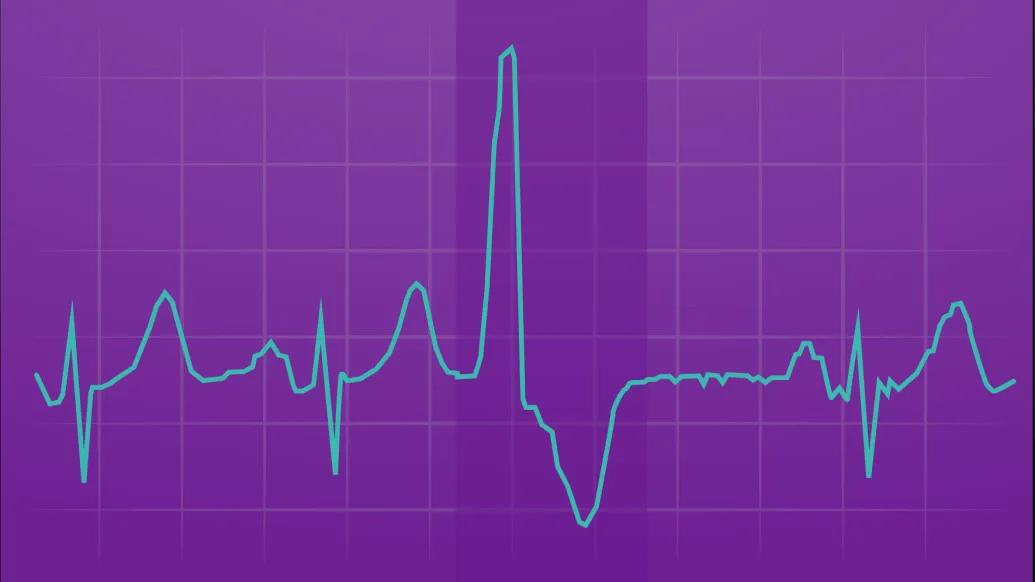
If you've ever had a fluttering heart, or noticed that your heart seems to skip a beat, you might be experiencing premature ventricular contractions (PVCs), a relatively common type of arrhythmia in both adults and children.
MORE FROM MICHIGAN: Sign up for our weekly newsletter
PVCs are the result of extra, abnormal heartbeats that begin in the ventricles, or lower pumping chambers, and disrupt your regular heart rhythm, which is controlled by a natural pacemaker known as the sinus node. The sinus node creates electrical impulses that travel across the atria to the ventricles, causing them to contract and pump blood out to your lungs and body in what is known as normal sinus rhythm.
In the case of PVCs, the heart doesn't actually skip a beat. Instead, an extra beat comes sooner than normal. Then there's typically a pause that causes the next beat to be more forceful, which is what most people detect.
Although the range differs from person to person, patients with PVCs that comprise 20 percent or more of total heartbeats typically are most at risk for some of the more serious complications associated with the condition.
PVCs 101
Heart disease or scarring that interferes with the heart's normal electrical impulses can cause PVCs. Certain medications, alcohol, stress, exercise, caffeine or low blood oxygen, which is caused by chronic obstructive pulmonary disease (COPD) or pneumonia, can also trigger them.
Symptoms associated with PVCs include:
-
Fatigue
-
Shortness of breath
-
Dizziness or lightheadedness
-
Very frequent PVCs
In individuals with these symptoms, PVCs are diagnosed through an electrocardiogram or a heart monitor worn by the patient.
If you have normal heart function, PVCs are typically nothing to worry about. But for those with frequent PVCs or an underlying heart condition, such as congenital heart disease, PVCs can lead to cardiomyopathy (a weakened heart muscle) or a more severe type of arrhythmia. For these individuals, the condition is typically treated with medication (such as beta-blockers) or ablation.
If you have symptoms associated with PVCs, be sure to talk to a specialist about a potential underlying cause that needs to be treated.

Health Lab
Explore thousands of health news & research stories by visiting the Health Lab homepage for more.
Media Contact

Public Relations
Department of Communication at Michigan Medicine
Stay Informed
Want top health & research news weekly? Sign up for Health Lab’s newsletters today!
Featured News & Stories
5 Tips to Combat ICD Anxiety
Health Advice for Women with Defibrillators
3 Questions About ICDs for Arrhythmia Treatment

Distance, insurance, social factors may hinder access to lifesaving heart monitoring for children
Mobile health app improves heart failure medication use, dosing after hospitalization