
Don’t Ignore a Heart Attack, Even During a Pandemic
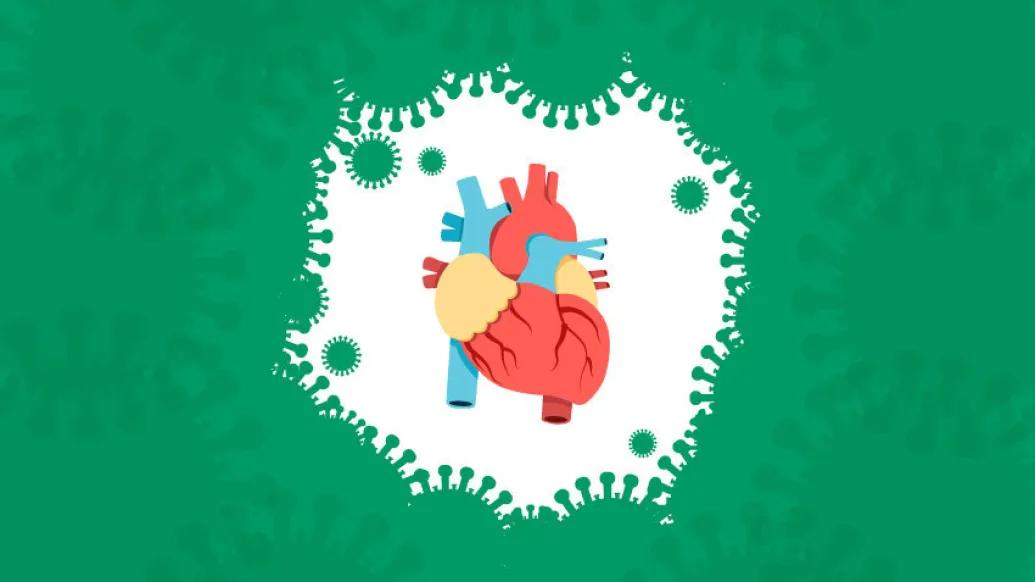
In light of reports that fewer people are getting heart attack treatments right now, one cardiologist wants to remind patients that the Emergency Department is still the safest place to be when you’re having a cardiovascular emergency.
3:08 PM
Author |
Editor's note: Information on the COVID-19 crisis is constantly changing. For the latest numbers and updates, keep checking the CDC's website. For the most up-to-date information from Michigan Medicine, visit the hospital's Coronavirus (COVID-19) webpage.
Interested in a COVID-19 clinical trial? Health research is critical to ending the COVID-19 pandemic. Our researchers are hard at work to find vaccines and other ways to potentially prevent and treat the disease and need your help. Sign up to be considered for a clinical trial at Michigan Medicine.
Medical and public health experts have been clear: don't just drive over to the hospital if you think you might have COVID-19 unless you think you need emergency medical assistance.
But some heart experts say too many people may be following the "stay at home" rules even when they shouldn't, whether it's for COVID-19 or another urgent issue.
"If you are experiencing chest pain, particularly if it's new chest pain or different chest pain than you've had before, don't ignore it," says Nicole Bhave, M.D., a cardiologist at the Michigan Medicine Frankel Cardiovascular Center. "Especially if chest pain is accompanied by shortness of breath, sweatiness and clamminess, pain moving to the left arm, or a generally unwell feeling, you should seriously consider going to the emergency room."
Bhave and other doctors at the Frankel CVC have noticed a trend here in Ann Arbor that's also been discussed nationwide: people may not be getting the care they need for medical emergencies like heart attacks.
Heart attack or stress?
You may be wondering if you're really having a heart issue, or if it's just stress or a panic attack. Both would be reasonable reactions to the devastation of a pandemic.
"In the context of the COVID-19 pandemic, situational anxiety and depression are common, and many of us are coping with those things on some level," Bhave explains.
She says chest pains can be your body's way of manifesting anxiety,
SEE ALSO: How to Tell the Difference Between a Heart Attack and a Panic Attack
"It doesn't mean you're crazy, and ultimately it's important to know your own body," Bhave says. "Chest discomfort that's related to anxiety often improves with relaxation and deep breathing exercises. At a minimum, though, it's a reason to get in touch with your doctor."
Changes during the pandemic
This isn't to say that some care hasn't changed, and won't continue to change, while the pandemic runs its course.
"I tell my patients with heart disease that the safest course of action in normal circumstances would be to go to the Emergency Department if you're having shortness of breath or palpitations, especially if they're new or different from previous symptoms. Now, I understand that many people might be weighing the pros and cons of going to the hospital."
Bhave has told some patients who called her they still need to go in, while she decided with some others that it was safe to track their symptoms at home, using e-visits and close phone follow up.
MORE FROM MICHIGAN: Sign up for our weekly newsletter
"There's a large gray zone between a true emergency and an issue that can be monitored at home," she says. "Don't play a guessing game – contact your doctor and sort through it together."
Bhave says she's having a great experience with telemedicine so far, and she's been able to hold clinics to see new and current Frankel CVC patients using e-visits.
"I encourage people not to just cancel their regular visits right now, either," she says. "If a telemedicine visit is available, take advantage of it. And we're fortunate at Michigan Medicine to still have excellent staffing for our outpatient clinics, so my patients are still able to get the refills they need and have other issues taken care of right now."
COVID-19 and the heart
Bhave says medical experts are still learning about who is at higher risk for developing a worse case of COVID-19, but she's encouraging her patients with heart disease to follow the stay at home order, wear a mask when they must leave the house and wash their hands often.
Like Podcasts? Add the Michigan Medicine News Break to your Alexa-enabled device or subscribe for daily updates on iTunes, Google Play and Stitcher.
"If someone with coronary disease, chronic lung disease, congestive heart failure or other related chronic conditions were to develop COVID-19, he or she may be at higher risk for COVID-related heart injury," she says.
And what about the rumors that some heart medications may affect covid-19, like ACE inhibitors?
Bhave says she is getting this question a lot, but she tells patients not to stop taking prescribed drugs without talking to their doctor first. The latest recommendations favor continuing those medications.
"We don't want to take stable patients and destabilize them without evidence," she says.

Health Lab
Explore thousands of health news & research stories by visiting the Health Lab homepage for more.
Media Contact

Public Relations
Department of Communication at Michigan Medicine
Stay Informed
Want top health & research news weekly? Sign up for Health Lab’s newsletters today!
Featured News & Stories

5 ways to manage politically induced stress
Small comforts make a world of difference
Jalen Hurts’ blood clot diagnosis: doctors answer common questions
Could a diabetes medication be the next wonder drug?
4 in 5 parents say having a baby is too expensive

