Are You at Risk for Peripheral Artery Disease?
Left untreated, PAD can pose serious dangers such as heart attack and stroke. Get a leg up on the symptoms and your risk factors.
1:00 PM
Author |
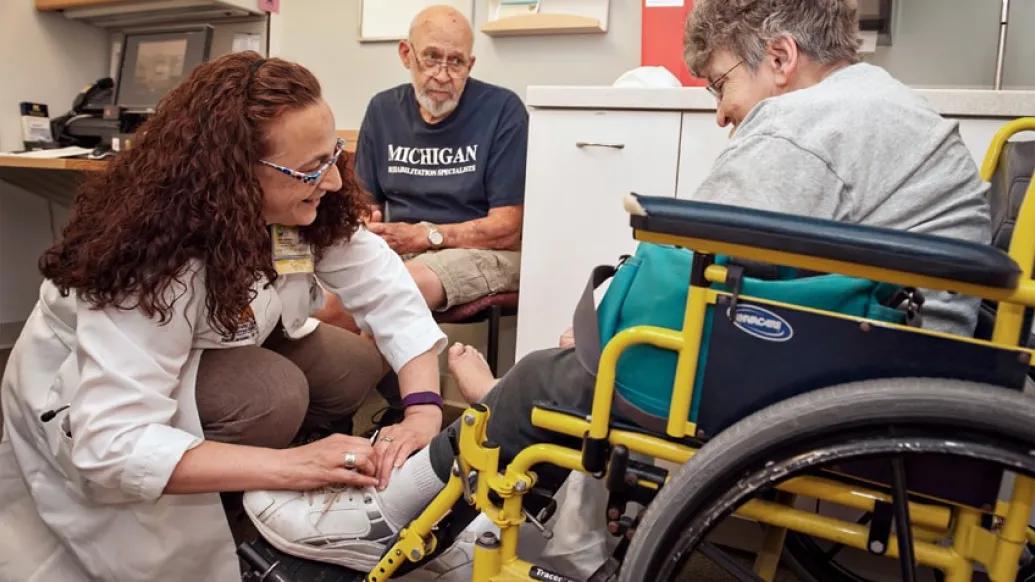
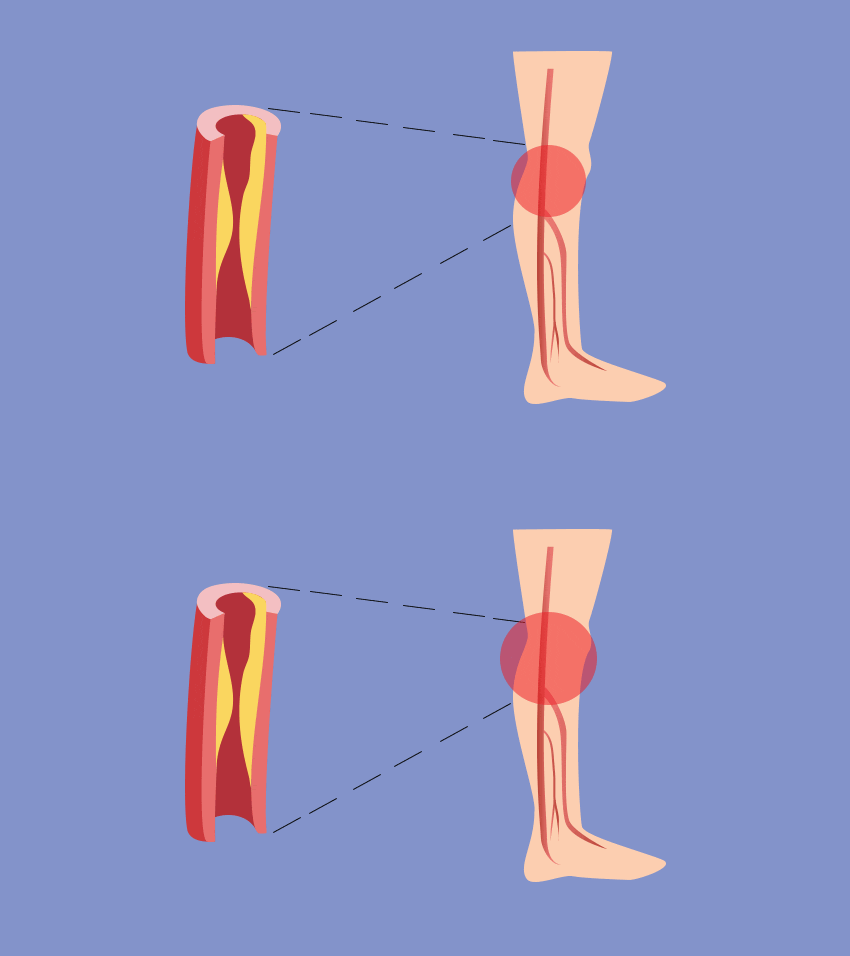
Marked by decreased blood flow in the legs due to narrowing — or even complete blockage — of arteries, peripheral artery disease (PAD) affects more than 8 million people in the United States.
SEE ALSO: How to Tell the Difference Between a Heart Attack and a Panic Attack
Such blockage is caused by a buildup of plaque and fatty deposits, which puts patients (even asymptomatic ones) at a heightened risk for heart attack and stroke.
Fortunately, the hazards can be reduced with medication and exercise therapy.
And a better understanding of PAD, which also can affect arteries of the abdomen or pelvis, helps patients ask the right questions, make informed choices and get more actively engaged in their own health and wellness.
With September serving as PAD Awareness Month, here are some key things to know.
Your lifestyle and health history matter. Over time, various factors cause the vein walls to become rigid and narrow. According to the American Heart Association, risk factors that contribute to PAD include:
-
Diabetes
-
Personal or family history of PAD, cardiovascular disease or stroke
-
Cigarette smoking
-
High blood cholesterol
-
Chronic high blood pressure
-
Obesity
-
Physical inactivity
-
Age over 65 (or age over 50, plus any of the risk factors listed above)
There are three levels of PAD.
-
Asymptomatic: Patients who have no symptoms related to PAD, but have abnormal test results that indicate an increased risk for heart attack and stroke. These patients are typically on risk-reduction therapy (e.g., medication).
-
Claudication: Patients who experience cramping or pain while walking or exercising. These patients are treated with medication and supervised exercise therapy. Additional procedures may also be considered later if these treatments are not effective. Supervised exercise therapy, available by prescription from a health care provider, was recently approved for Medicare coverage.
-
Critical limb ischemia: Patients who have chronic pain, foot ulcers or nonhealing foot wounds and who are at risk of amputation.
Look for the warning signs. Understanding the signs and symptoms can help identify patients who should be tested for PAD. Early diagnosis allows timely treatment and can help avoid complications like infection or even amputation.
Common symptoms include:
-
A change in the skin color of your legs or feet
-
A wound on the foot that does not heal
-
Loss of hair on feet or legs
-
Crampy leg pain during walking that goes away with rest
-
Pain in your legs or feet that wakes you up at night
-
Absent or decreased pulses in the legs or feet
If you're experiencing any of these above, see a doctor.
You can get tested (and treated). PAD is diagnosed with a noninvasive test — an ankle brachial pressure index, which measures the difference between the systolic blood pressure in your arms and ankles — that can help determine whether symptoms are a result of PAD or another condition.
SEE ALSO: After TAVR, Prize-Winning Chicken Farmer Back at Work
If you're diagnosed with PAD, continue to see your health care provider regularly and ask what treatment is best for you. Many patients are successfully treated with a supervised exercise program or medication; severe cases may require a surgical procedure.
Also, be sure to consider the following:
-
Check your legs and feet regularly for wounds, sores or change in skin color
-
Wear properly fitted shoes and avoid walking barefoot
-
If you smoke, ask about resources to help you stop
-
Improve your diet with foods low in fat and cholesterol
-
Manage high blood pressure, cholesterol, weight and diabetes
-
Take your medications as prescribed
This article was originally published on Sept 29, 2016, and was updated on Aug. 31, 2017.

Health Lab
Explore thousands of health news & research stories by visiting the Health Lab homepage for more.
Media Contact

Public Relations
Department of Communication at Michigan Medicine
Stay Informed
Want top health & research news weekly? Sign up for Health Lab’s newsletters today!
Featured News & Stories

Peripheral Artery Disease Treatment Has Grandma Back in Action

Exercise Program for Peripheral Artery Disease Patients Now Covered by Medicare
Leg Pain and PAD: Know the Symptoms and Risk Factors

Peripheral Artery Disease Treatment Gives Barber a New Look

From patient to artist: A project close to her heart