Text Message Alerts Help Patients with Hypertension Remember to Take Meds
In a new study, mobile reminders boosted medication adherence in high blood pressure patients. Next up, researchers are investigating the tech’s additional applications.
7:00 AM
Author |
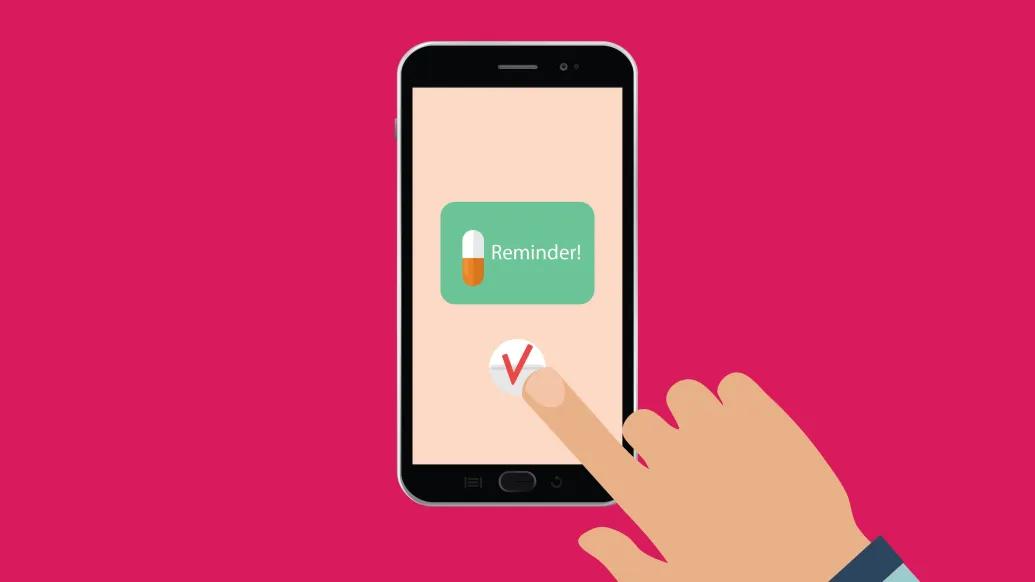
Smart phones can do just about anything, including help patients manage their health conditions.
In a new study, text messaging was a useful and low-cost method to help high blood pressure patients remember to take their medication on time, a Michigan Medicine researcher finds.
MORE FROM THE LAB: Subscribe to our weekly newsletter
Lorraine Buis, Ph.D., an assistant professor in the University of Michigan's Department of Family Medicine, conducted a recent study to gage how low-income, minority patients with uncontrolled hypertension responded to receiving mobile reminders to adhere to their medication schedule.
"It's a simple intervention," says Buis. "It's clear that a text message program may not be appropriate for everyone; however, for a large subset of people, this may be a feasible, acceptable and low-cost strategy to motivate positive behavior changes."
In the study, published by the JMIR mHealth and uHealth, Buis compared two groups of African-American patients with uncontrolled hypertension, recruited from primary care and emergency department settings, over the course of one month. The 123 patients were older than 18 and randomly allocated to a usual care control group, or to use BPMED, an automated text message system that sends daily medication reminders to users at individually customized times.
Data at the end of the study showed the BPMED participants stuck to a medication schedule at slightly higher rates. In addition, BPMED participants were satisfied and enthusiastic about the program.
"It was very easy to use," says Buis. "The patients reported they liked using the program and would definitely recommend it to others."
Buis says health systems may find text messaging interventions attractive because of the low cost and unobtrusive means to reach patients.
"There is an initial investment in something like this, but once you pay for it, you could in essence continue adding patients to the system. The incremental cost of adding additional people would not be very big."
For a large subset of people, this may be a feasible, acceptable and low-cost strategy to motivate positive behavior changes.Lorraine Buis, Ph.D.
Future research
High blood pressure is an important problem in the United States, with more than 78 million Americans age 20 years and older suffering from the condition. Because of a number of factors, the condition disproportionately affects African-Americans, who typically face the condition in greater severity, have an earlier onset and deal with more complications.
SEE ALSO: Despite New DOAC Use, Anticoagulation Clinics Serve Purpose
Known as a silent killer because it can often go undetected, if left untreated, uncontrolled high blood pressure increases the risk of heart disease, stroke, and kidney and eye disease.
Although treating high blood pressure with medication is one component of managing the condition, lifestyle also plays a significant role. Maintaining a healthy weight, eating healthy, reducing salt and alcohol, and exercising all help manage blood pressure.
Making positive behavioral changes to control blood pressure might avoid, delay or reduce the need for medication.
Buis' next phase of research will focus on understanding the effect of a multiple behavior change mobile intervention that promotes positive lifestyle changes, including home blood pressure monitoring, increasing physical activity, and food journaling. She plans to develop an app that will allow patients to input, monitor and analyze a number of blood pressure factors.
"We're trying to give people better information and the tools they need to adopt additional changes," says Buis. "I believe there is significant value in self-monitoring. It creates this information loop that gives patients immediate feedback. Once a goal has been met, the system can say good job and then set a slightly more difficult goal."

Health Lab
Explore thousands of health news & research stories by visiting the Health Lab homepage for more.
Media Contact

Public Relations
Department of Communication at Michigan Medicine
Stay Informed
Want top health & research news weekly? Sign up for Health Lab’s newsletters today!
Featured News & Stories

How Text Messaging Could Help Tackle High Blood Pressure in At-Risk Patients
Distance, insurance, social factors may hinder access to lifesaving heart monitoring for children
Mobile health app improves heart failure medication use, dosing after hospitalization
Jalen Hurts’ blood clot diagnosis: doctors answer common questions
Could a diabetes medication be the next wonder drug?