Study Seeks to Better Understand Causes of Autism
U-M is looking for families with a child or children diagnosed with autism spectrum disorder to take part in a national study aimed at speeding up research and insight into the disorder.
7:00 AM
Author |

Autism spectrum disorder, or ASD, is associated with a broad range of conditions characterized by challenges with social skills, repetitive behaviors, speech and nonverbal communication and is common, with about 1 in 59 children identified with ASD, according to the CDC.
LISTEN UP: Add the new Michigan Medicine News Break to your Alexa-enabled device, or subscribe to our daily audio updates on iTunes, Google Play and Stitcher.
Current research suggests that differences in the development of the brain and central nervous system cause autism, but it's unclear what causes those differences nor are there any approved medications to treat core ASD symptoms.
U-M researchers want to help change this.
A research team at the U-M Department of Psychiatry is looking to recruit 600 families with a child or children diagnosed with autism spectrum disorder (ASD), part of a national effort coordinated through the Simons Foundation. Their landmark autism research project, known as SPARK (the acronym stands for Simons Foundation Powering Autism Research for Knowledge), is looking at 50,000 families across 27 clinical sites nationwide over several years.
Costanza Colombi, Ph.D., research assistant professor of psychiatry, is leading the study in Michigan.
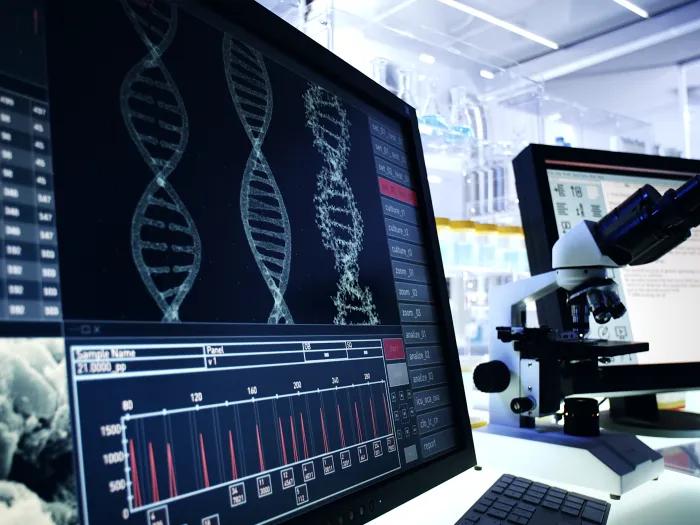
"We are looking at DNA from people with autism and from their family members who may or may not have autism," Colombi says. "This DNA will help us shed light into the genetics of autism and hopefully improve patient care. We will also use information collected to study overall health, behavior and lifestyle."
"This study is the largest genetic study of autism ever, and I am so excited about its potential to help families struggling with ASD."
How it works
The DNA is collected through a simple saliva sample. The study team needs saliva samples from both parents and the child to get a complete picture. Anyone in Michigan with a diagnosis of ASD is able to participate.
SEE ALSO: Autism Speech Language Therapy for Teens Using Board Games
Volunteers can go to the clinic in Ann Arbor or they can be mailed a saliva kit and send it back with a prepaid shipping label.
Participants will also complete a 20-minute questionnaire asking them about their ASD diagnosis, medical history and communication skills. Patients have the option to complete the questionnaire online or at the U-M offices in Ann Arbor. There are no age restrictions.
Families can earn either a $25 or $50 Amazon gift card depending on how many family members participate.
The research
"The sheer size of this study will allow us to speed up research and advance our understanding of autism," says Colombi. "So far only a small portion of people who have autism participate in research, and we want to change that. The more people enrolled in our study, the greater understanding we will have and the better we will be able to serve families with an autism diagnosis."
To participate in the study, or to learn more, contact the U-M SPARK team via email at [email protected] or by phone at 734-232-0196.

Health Lab
Explore thousands of health news & research stories by visiting the Health Lab homepage for more.
Media Contact

Public Relations
Department of Communication at Michigan Medicine
Stay Informed
Want top health & research news weekly? Sign up for Health Lab’s newsletters today!
Featured News & Stories

Galens Tag Days celebrates 100 years of helping kids
From 20 seizures a day to more time for play: How personalized epilepsy care helped young patient

Type 1 diabetes does not mean sitting out for 10 year old
More babies with hypoplastic left heart syndrome surviving critical period between surgeries
Distance, insurance, social factors may hinder access to lifesaving heart monitoring for children