Opioids: When the Harms Outweigh the Benefits
Prince’s death from an overdose has turned more public attention to opioid abuse, a widespread problem in the U.S. today.
3:45 PM
Author |
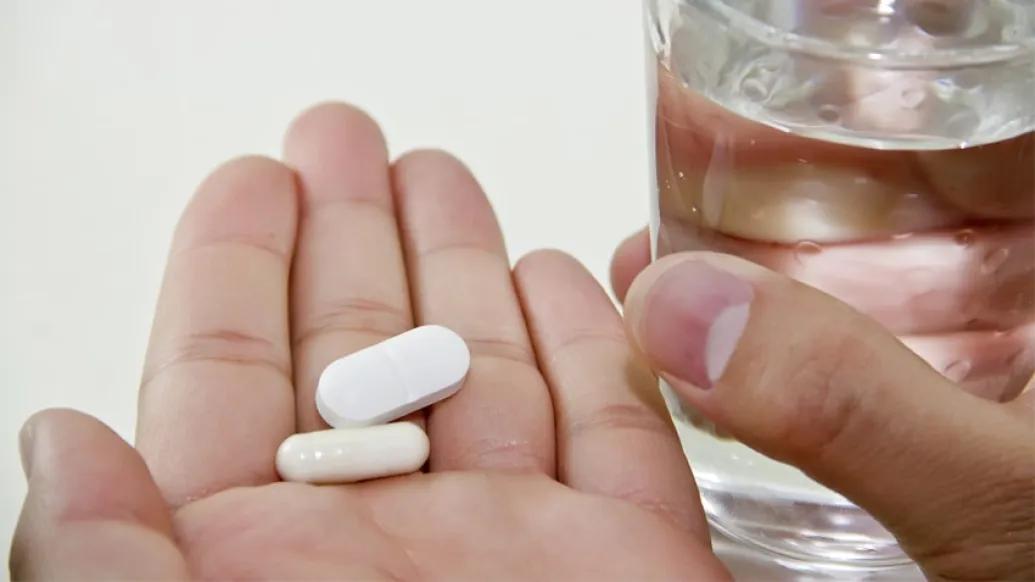
Opioid overdoses and abuse are in the spotlight in the wake of rock star Prince's death. The news has spurred more conversations about what the Centers for Disease Control and Prevention recently termed an epidemic and one of the most pressing public health issues in the U.S. today.
(More from U-M: Many Parents Keep Prescription Opioids at Home, Poll Finds)
Heightened awareness is good, says Chad Brummett, M.D., assistant professor of anesthesiology and director of the Division of Pain Research at the University of Michigan. Painkiller abuse is widespread across the country, but addiction prevention is not receiving the attention it deserves, he says. Here's more from Brummett on the issue.
The CDC estimates 78 people die every single day from opioid- or heroin-related overdoses. That's like a plane full of people crashing every week.
How concerned are you about the opioid epidemic?
Brummett: This is a widespread problem. The CDC estimates 78 people die every single day from opioid- or heroin-related overdoses. That's like a plane full of people crashing every week. Right now, there's a lot of discussion around treating addiction, and medications like naloxone, which can reverse the effect of opioids during an overdose.
This is important, but we also need to work harder on prevention. Let's bring that attention upstream and disrupt the cycle before addiction management is needed.
Brummett: The guidelines focus primarily on chronic pain management. The guidelines encourage doctors to prescribe the smallest effective dosage for our patients for acute pain management, which is really important. The 12 recommendations remind doctors to do things like discuss risks and benefits of opioids with our patients and review patient histories before prescribing.
They offer a lot of needed attention on outpatient management for chronic pain, but there's still effectively nothing driving appropriate prescriptions as it relates to surgery.
What's the connection between surgery and opioid misuse or addiction?
Brummett: Some pain should be expected after surgery — too often people expect a pain-free postoperative course. Opioids are the mainstay of acute pain management in the U.S. However, most patients can switch to a non-opioid like ibuprofen or acetaminophen shortly after surgery if they still need some help controlling the pain.
Each year, there are more than 50 million surgeries in the U.S., and most of those people leave with an opioid prescription. The problem is, there are almost no guidelines for doctors on how many pills to prescribe. The tendency is to overprescribe, so the patient doesn't have to call back for more or go to the emergency department. That's why our team is working on a preventive model with surgeons to educate physicians on the opioid problem and reduce postoperative opioid use.
With an excessive supply of pain medication, a patient may start taking opioids for the surgical pain, but then is able to keep using them for other pain, or mood disorders like depression. Some patients use opioids to help fall asleep, but the sleep quality is poor and they should not be used as sleep aids. This misuse can eventually lead to abuse.
Along with educating physicians, you also want to include parents and the general public in the conversation. What can concerned parents do to protect their children?
Brummett: First, don't allow anyone to gain access to your old opioids. Surveys show teens — and many adults, too — think prescriptions are safer to use than street drugs because they were prescribed by a doctor. Educate your teens, and safely dispose of your old prescription medications. There are take-back events often, and many sheriff's departments will take them any day, just show up and drop them off. At our drives, we've seen old opioid prescriptions from the '80s and '90s turn up. Those folks are very lucky none of their houseguests were looking in the medicine cabinet for the 30 years they were storing opioids.
You've become an advocate for fixing this opioid epidemic. What are your long-term goals?
Brummett: There's no question that the harms of long-term opioid use overweigh the benefits. Our group's ultimate goal is to reduce opioid exposure, period. That means for chronic pain, for recovery from surgery and especially for people who are taking opioids without experiencing pain.
This piece was originally published on May 18, 2016, and was updated on June 2, 2016.

Health Lab
Explore thousands of health news & research stories by visiting the Health Lab homepage for more.
Media Contact

Public Relations
Department of Communication at Michigan Medicine
Stay Informed
Want top health & research news weekly? Sign up for Health Lab’s newsletters today!
Featured News & Stories

What’s the latest on 7-OH and kratom availability and addiction care?
Who’s at risk for painful periods?

Foundation gift inspires additional gifts to strengthen youth mental health care

5 things to know about ALS
College of Pharmacy alum advances U-M Medical School addiction research