Lifting Barriers to Care for Transgender and Non-Binary Patients
Michigan Medicine experts highlight how their teams have increased access to transgender care during the COVID-19 pandemic and beyond.
3:45 PM
Author |
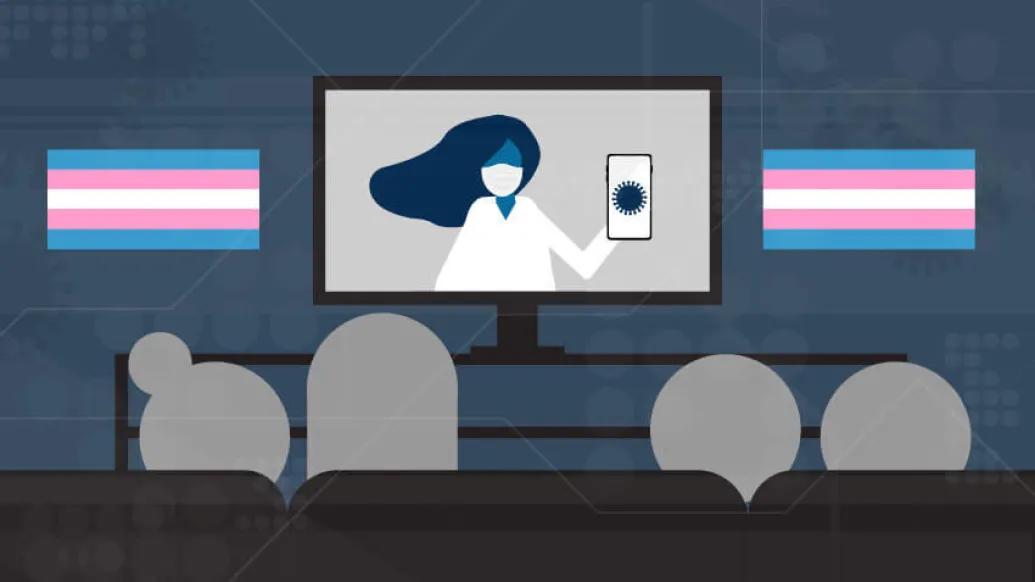
An estimated half percent of the U.S. population identifies as transgender, which means that an individual's actual gender identity differs from the gender identity associated with their birth-assigned sex.
Due to gender discrimination, many transgender people often face significant barriers when it comes to accessing health care.
"Stigma, as well as institutional and interpersonal gender discrimination can impact housing, employment, criminal justice system engagement, insurance and social support access," says Halley Crissman, M.D., MPH, an obstetrician gynecologist at Michigan Medicine's Von Voigtlander Women's Hospital. "Through training in gender non-discrimination and gender-affirming care, as well as recognition and rectification of cisgender assumptions in the medical system, health care providers have the power to foster significant improvements in the health and well-being of the transgender community. Our team is working hard to acknowledge these injustices and make meaningful positive changes."
All major medical societies in the United States now acknowledge that gender-affirming care is medically necessary and important. They also encourage health care providers to ensure a safe and welcoming space for transgender and non-binary individuals.
"It is widely recognized that social support and gender-affirming medical care are associated with improved well-being and reduced gender dysphoria," says Crissman. "But because of prevalent transphobia and the pathologization of transgender identity, barriers to care were enacted, including protocols requiring that patients have the support of a mental health provider prior to initiating gender-affirming hormones."
MORE FROM MICHIGAN: Sign up for our weekly newsletter
Crissman adds that while support from mental health professionals can be helpful to any person, the universal requirement for mental health clearance prior to receiving gender-affirming care created an unnecessary barrier to accessing health care.
"This practice wrongly implied that mental health professionals were better equipped than transgender people themselves to determine one's own gender identity," says Crissman. "This only further perpetuated the pathologization of transgender identities."
The four obstetrician-gynecologists providing gender-affirming hormone care at Michigan Medicine have therefore adopted a patient-centered, individualized care model for initiating hormones, without a universal requirement for a letter of support from a mental health provider.
However, Crissman notes that if the support of a mental health provider is needed, they are engaged as a critical part of the health care team to support the patient's wellbeing.
And while many transgender patients feel that they may need to see a specialist for their hormones, some primary care providers are working to remove that barrier, as well.
"Many transgender people believe that they need to see one provider for hormones, and another provider for general care," says Anita Hernandez, M.D., a family physician at Michigan Medicine. "But as a family physician, I train students and residents in gender-affirming care in order to provide them with the tools they need to provide hormones in their own practices. Therefore, a patient can have a primary care provider who can manage their hormones, as well as any other routine health care need, such as high blood pressure, depression or a sinus infection."
Gender affirming care during a global pandemic
According to Daphna Stroumsa, M.D., MPH, an obstetrician gynecologist at Michigan Medicine's Von Voigtlander Women's Hospital, the COVID-19 pandemic has led to a rapid increase in telehealth within Michigan and beyond.
And this, in turn, has further lifted barriers to transgender care.
"Due to the recent expansion of telemedicine, we have been able to continue to provide gender-affirming care throughout the pandemic," says Stroumsa. "We also plan to continue offering virtual visits for hormone therapy and other gender-affirming care, which will further increase both access and convenience for our patients."
For example, this expansion in telehealth has included virtual care by nurses, who have moved to teaching transmasculine patients how to perform testosterone injections via video visits. This allows new patients to initiate gender-affirming hormones during the pandemic without ever having to visit a clinic.
Stroumsa also adds that improvements in care for transgender and non-binary people must not waver, as disparities continue to exist.
"Through expanding our virtual visit options, as well as embracing a patient-centered care model for providing gender-affirming care, we are helping to ensure individuals of all genders have access to the care they need and deserve."
Resources and support
Pedro Coracides, a project manager in Michigan Medicine's Office of Patient Experience, notes the need for adequate resources for transgender people.
"At Michigan Medicine, we offer a variety of support groups, including the Transgender and Gender Nonconforming Adult Support Group and a support group for Parents of Gender Nonconforming People," says Coracides. "Each of these groups offers people a unique platform to talk about their individual and shared experiences."
In addition, the Child and Adolescent Gender Services clinic at C.S. Mott Children's Hospital provides care for transgender and gender non-conforming patients, and the Comprehensive Gender Services Program serves adult transgender, gender non-conforming and non-binary patients.
"Collectively, we are providing important resources to a gender minority group, and this makes me really proud," says Coracides.
For inquiries regarding gender-affirming services at Michigan Medicine, call (734) 998-2150.
Like Podcasts? Add the Michigan Medicine News Break to your Alexa-enabled device or subscribe for daily updates on iTunes, Google Play and Stitcher.

Health Lab
Explore thousands of health news & research stories by visiting the Health Lab homepage for more.
Media Contact

Public Relations
Department of Communication at Michigan Medicine
Stay Informed
Want top health & research news weekly? Sign up for Health Lab’s newsletters today!
Featured News & Stories

Michigan man undergoes complex heart repair after last minute surgery cancelation
Are you at risk of a genetic disease? Guidelines for testing should be updated, experts say
Small Pauses, Bigger Impact: Mindfulness in Action

Major Changes to Medicaid

Sports gambling on the rise among college students