How the Old-Fashioned Telephone Could Become A New Way for Some to See Their Doctor
A telephone visit can sometimes work just as well as an online doctor visit.
10:27 AM
Authors |
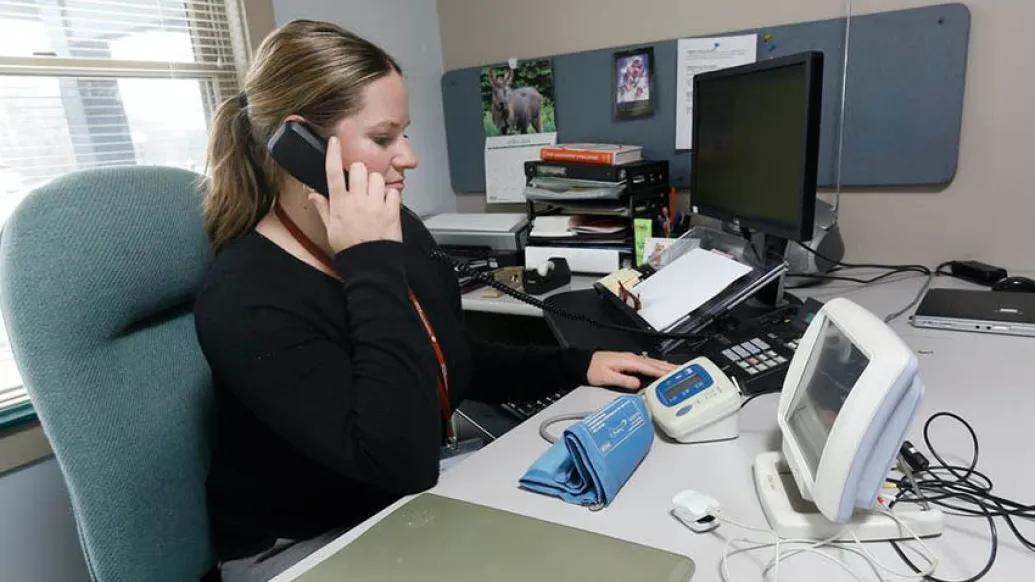
Staying home to stay safe during the COVID-19 pandemic, patients and their doctors have embraced telemedicine. Prior to COVID-19, telehealth use was growing but represented a tiny percentage of all health care visits.
During the peak of the first wave of infections, many telehealth centers saw a dramatic increase in care – for example, the University of Michigan had a 2,500% increase in telehealth encounters. In fact, according to internal data at the University of Michigan, telehealth visits accounted for more than 75% of all visits during April and May. Another fact that surprised us: Nearly half of those visits were conducted by telephone alone rather with audio and video communication, as is conventionally required by insurance.
One of us, Dr. Li, is an emergency physician and health services researcher who studies how telehealth can deliver care efficiently and equitably. Dr. Chen is a primary care physician who leads implementation of telehealth in general medicine. Dr. Woodward is a physician-scientist, health services researcher and also an ophthalmologist. Based on our research and experience treating patients via telehealth during the pandemic, we believe that the telephone could be a tool in treating many patients who do not have computers – or computer know-how.
A backup that proved itself
As anyone who has tried to work or learn remotely during the pandemic knows, technical glitches with videoconferencing software or internet connections are common and disruptive. When it comes to getting health care, instead of canceling the visit and rescheduling, potentially delaying time-sensitive care, it makes sense, we believe, to convert the visit to a phone visit.
This would make the best use of time that patients and their doctors have already set aside for the visit. At the University of Michigan, during the height of the pandemic locally from mid-March through May, all patients were first offered video visits and converted to telephone visits if video visits were declined.
While using telephone as an alternative to video visits during a pandemic may seem like common sense, it was previously next to impossible for doctors to be reimbursed for care delivered by audio connection alone. However, to equalize care and help all patients maintain access to care during the pandemic, in late March the Centers for Medicare and Medicaid Services (CMS) made a temporary exception to this rule. It allowed doctors to be paid the same amount for in-person, video and old-fashioned telephone visits.
This rule change has widespread effects beyond Medicare beneficiaries, however. Many commercial insurance companies follow Medicare's lead when it comes to deciding what services are covered.
The temporary changes to Medicare policy were critical to this increase in telehealth usage. They removed geographic limitations and broadened eligible communications platforms to include smartphone apps like FaceTime or Zoom as well as telephone-only visits. This lowered the barrier for both patients and doctors to have virtual visits.
After this rule change, nearly one in three telehealth visits billed to Medicare during the public health emergency was phone-only, according to a recent article by CMS Director Seema Verma. Many large private insurers similarly expanded telehealth coverage during this period.
Helping the digitally divided
Telephone visits also have an advantage over video conferencing because they allow doctors to reach patients who might otherwise be left behind in the "digital divide."
In particular, those living in remote areas and lower-income or minority households are less likely to own a computer or have broadband service.
Older patients are also often left behind because they may not have experience connecting via smartphones or software applications. Additionally, patients with visual limitations have greater difficulty using video visit platforms but have developed strategies to use telephones.
Some groups least able to perform virtual video visits – such as older patients with multiple chronic illnesses – are often the same populations most likely to benefit from continuity of medical care. However, in-person visits have a risk of COVID-19 exposure. They can also be more challenging due to limited transportation, need for childcare or the need for assistance from a caregiver who needs to find time to accompany their loved one to the appointment.
In this sense, health care delivered by a simple phone call may save lives on two fronts. It has helped physicians and patients manage health conditions in a timely, accessible way, often without needing to leave their homes, thus minimizing exposure to the coronavirus.
Not just for emergencies
For many chronic diseases, telephone visits can provide the necessary information to diagnose and treat a patient. For example, doctors can address congestive heart failure issues over the phone simply by asking patients about their symptoms and weight fluctuations and making medication adjustments.
In cancer care, while it can be helpful to see the patient on screen, it is often possible to review a patient's symptoms and discuss test results without the need for video.
The phone is also effective for patients who are experiencing anxiety and depression. Doctors and caregivers can learn how a patient's mood is affecting daily activities, and counsel them on ways to manage stress.
In some cases, hybrid visits are working well. In preparation for a telephone visit to manage diabetes, some patients at Michigan Medicine are referred for drive-thru fingerstick testing for their blood sugar and hemoglobin A1c, a marker of their average blood sugar over the past three months. This information, in addition to reporting their daily blood sugars during their virtual visit with their health care provider, can be used to make adjustments to medications for those with uncontrolled diabetes – no video required.
Call me, maybe – an uncertain future
Because of the success of telehealth during the pandemic, lawmakers are already talking about what permanent telehealth legislation should look like beyond the pandemic. However, despite the fact that the telephone was often the only way for some people to access care during this crisis, it remains uncertain whether this service will continue to be covered by many insurance carriers. A number of telehealth bills have been introduced, but few directly address reimbursement for phone visits.
Video visits are not a perfect substitute for in-person care. Similarly, talking to the doctor by phone alone gives them less information than when he or she can see you. But often, it is enough to provide the care that you need.
Critics of continued coverage for phone visits cite concerns about fraud, waste and abuse. Billing for frivolous phone visits certainly needs to be monitored and contained. We believe, however, that discontinuing coverage for phone visits could put millions of the most vulnerable patients at risk of losing access to their doctors. This could worsen disparities in access to care and introduce a different kind of waste and inefficiency in health care delivery.
We believe that, going forward, ensuring that doctors are paid for care no matter how it is delivered – by phone, video or face-to-face – will serve to reduce disparities in access to care. No one should have to seek in-person care for a condition that can be managed virtually just because they lack internet access or cannot use or afford a smartphone.
This article is republished from The Conversation under a Creative Commons license. Read the original article.

Health Lab
Explore thousands of health news & research stories by visiting the Health Lab homepage for more.
Media Contact

Public Relations
Department of Communication at Michigan Medicine
In This Story

Julia Chen, MD
Clinical Assistant Professor

Maria Anneke Woodward, MD, MSc
Professor
Stay Informed
Want top health & research news weekly? Sign up for Health Lab’s newsletters today!
Featured News & Stories

Many older adults make Medicare decisions quickly and most don’t change plans, poll finds

What’s the latest on 7-OH and kratom availability and addiction care?

Better prenatal care data could help prevent maternal complications, experts say

Many hospitals still don’t do enough to prevent UTIs from catheters

Digital alerts support timely treatment decisions of critically ill cardiac patients