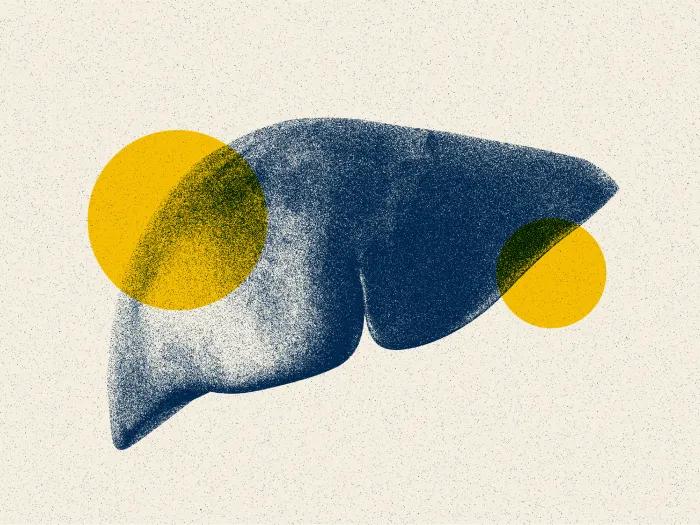
Antibiotics and Liver Injury: What’s the Relationship and Risk?
In rare cases, common drugs such as Z-Paks, prescribed to fight illnesses, can harm the liver. A U-M patient and liver specialist explain.
7:00 AM
Author |

In 2009, Eric Barth arrived at an emergency department in Kalamazoo, Michigan, with the typical symptoms of pneumonia.
Physicians there prescribed the 45-year-old patient with a high dose of azithromycin, commonly known as a "Z-Pak," which he took as instructed for a five-day span.
SEE ALSO: Why Herbal and Dietary Supplements Cause Some Doctors Concern
Azithromycin, a commonly prescribed antibiotic, has proven effective for the treatment of bacterial infections. As expected, it worked for Barth almost immediately.
About two weeks later, though, he began to experience troubling side effects that included upper abdominal pain, nausea and dark-colored urine.
"I started feeling more ill every day," recalls Barth, now 52. "It's like what the fast-talking voice-over says in the TV (pharmaceutical) commercials: 'Be careful of a yellowing of the skin and eyes, as this can be the sign of an untoward liver reaction.'
"It turns out, in my case, that's what it was."
What might have been more unexpected is that the medication intended to help him is likely what caused the malady.
Weighing efficacy and risk
A visit to Barth's primary care physician, which included blood tests, found that his liver values were very high.
That suggests a hallmark symptom of drug-induced liver injury (DILI), says Robert J. Fontana, M.D., a hepatologist and Medical Director of the Liver Transplant Program at University of Michigan Health System.
SEE ALSO: Which Over-the-Counter Pain Medication Is Best?
Azithromycin can lead to DILI in a relatively small subset of patients, according to research performed in Fontana's clinic. The frequency of these reactions varies between 1 in 10,000 patients taking the drug to less than 1 in a million. And it is one of many on a long list of antibiotics associated with liver-related adverse events.
Barth was referred to Fontana and ultimately diagnosed with cholestatic hepatitis.
He has been receiving treatment for the condition, which is now chronic, with an immunosuppressant for the past six years. His condition is in remission, says Fontana, who has studied Barth's condition as part of his ongoing research funded by the National Institutes of Health since 2003 called the Drug Induced Liver Injury Network.
According to Fontana, more than 1,600 patients have been enrolled into the study, and the DILIN team is now beginning to identify genetic markers in some patients who develop liver reactions. Going forward, it is hoped that this line of research will lead to a reduction in adverse liver events from a multitude of drugs and herbal and dietary supplements, which are also increasingly associated with potentially severe liver reactions in some people.
Thanks to Fontana's care and encouragement, Barth has been able to resume a normal life.
"There was always a real sense of reassurance from him that I would get better," Barth says. "And that was a huge help in my recovery."
Doctors, meanwhile, shouldn't avoid prescribing antibiotics like azithromycin because of the risks, Fontana says.
"These drugs have been proven safe and effective for the vast majority of patients," Fontana says. "However, as physicians, we should consider the possibility of liver damage in some patients and warn all patients of these risks … (and) also advise them of how to recognize the symptoms and what to do should they arise."

Health Lab
Explore thousands of health news & research stories by visiting the Health Lab homepage for more.
Media Contact

Public Relations
Department of Communication at Michigan Medicine
Stay Informed
Want top health & research news weekly? Sign up for Health Lab’s newsletters today!
Featured News & Stories
Top 7 tips for choosing Medicare prescription drug coverage for 2027
A second chance at life

Exceptional response to immunotherapy gives patient with liver cancer more milestones to celebrate

Liver cancer can be preventable. Do you know the treatable risk factors?

The Care Ecosystem: Supporting People Living with Dementia and Their Families