3 Tips for Seniors Visiting the Emergency Department
Many geriatric patients are likely to experience a medical issue that prompts a trip to the local emergency department. These preparations can make the visit go smoothly.
1:00 PM
Author |
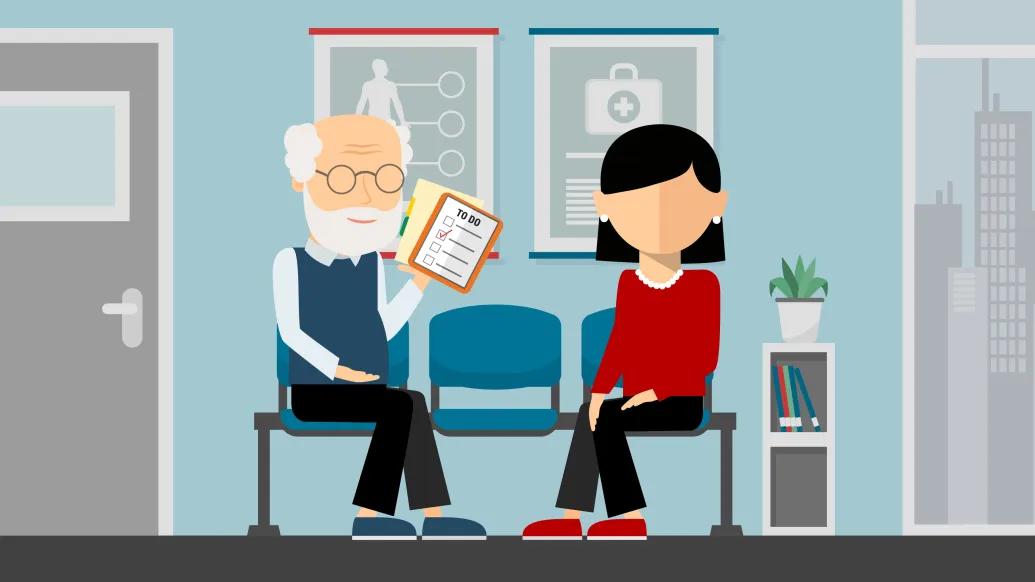
According to the U.S. Centers for Disease Control and Prevention, more than 19.6 million patients age 65 and older visited an emergency department in 2009 or 2010. I see senior patients in the University of Michigan's own emergency department often, and I have a few suggestions to make sure the visit is less stressful for patients and their loved ones.
Whether you are a senior yourself or you have an older family member, keep these quick tips in mind should an emergency happen and you find yourself on the way to the hospital.
Quick Tips
Bring important health information
When minutes count, it's helpful to have your medical history and information in writing. Have a list of your doctor's contact information, your medical issues, allergies, and medications and doses you are taking. Keep the list on a piece of paper in your purse or wallet, save it on your cellphone or download one of the many smartphone apps available. Make sure to update the list when medications change.
Health systems keep electronic medical records on patients, but if an ambulance takes a patient to a different hospital from where he or she normally goes, the hospital might not have those health records.
Ask your physician to call ahead
Many patients come to the emergency department after being seen by their primary physicians. If you are coming in on the advice of your physician, ask him or her to call the emergency department to let the staff know why you are coming.
This does not guarantee you will be seen sooner, because all emergency department patients are triaged, or sorted, with the most serious conditions seen first. But having your doctor call ahead can ensure that the most accurate information about your condition is communicated with the emergency department staff. Older patients often have complicated medical histories, and this quick phone call can result in a clearer picture of your health condition and a better overall experience.
Speak up early
I once spent an hour evaluating an elderly patient for a concern about leg pain. I was ready to discharge the patient when a family member pulled me into the hallway to tell me the family was actually more concerned about the patient's ability to live safely at home and told her to come in to have her leg checked. This led to an honest conversation between the patient and family in which we addressed all of the concerns and ensured the patient's safety at home.
Be honest and up front with your loved ones and the medical professionals treating them so we can address the issues most concerning to you. Issues such as the one above often require social workers, physical therapists and others. Letting us know as soon as possible will help us get the right people to help.

Health Lab
Explore thousands of health news & research stories by visiting the Health Lab homepage for more.
Media Contact

Public Relations
Department of Communication at Michigan Medicine
Stay Informed
Want top health & research news weekly? Sign up for Health Lab’s newsletters today!
Featured News & Stories

Many older adults make Medicare decisions quickly and most don’t change plans, poll finds

Many hospitals still don’t do enough to prevent UTIs from catheters

Digital alerts support timely treatment decisions of critically ill cardiac patients

What’s changing in Medicaid and what can you do?

Rabies is on the rise: Experts offer advice