Is your child ready for kindergarten?
Choosing between kindergarten, young 5s and preschool is tough. Here’s some guidance for the big decision
9:14 AM
Author |
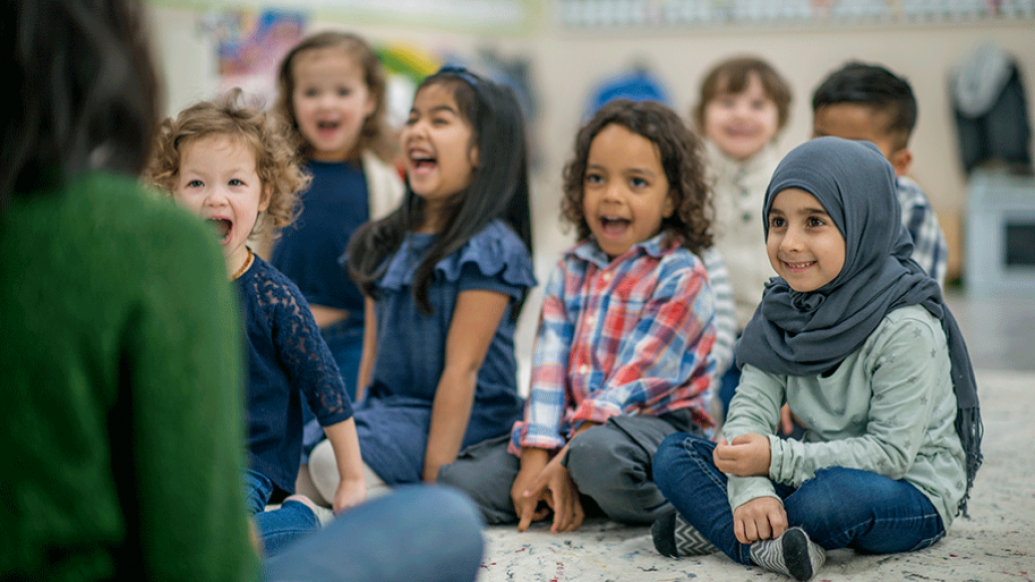
The process of choosing a starting point for your child’s formal education can be confusing with so many choices available. However, having a variety of choices is actually a good thing, because it gives parents the ability to pick the educational setting that will work best for their child.
Below is a break down of each type of class they could start, along with helpful information to aid in your decision making.
Kindergarten
In the State of Michigan, children can enter kindergarten if they’re five or older on September 1st of that school year. Parents can sign a waiver to enroll younger children into kindergarten if they’ll be five before December 1st of that school year.
In the public school system, kindergarten is full day, five days a week, and is free for all eligible children. Michigan families can utilize resources from Build Up Michigan and the Michigan Department of Education for transition information and to learn more about determining whether your child is ready for kindergarten. Many schools also hold a kindergarten round up event in March that allows you to visit the school, meet the teachers and register.
Young 5s
In the State of Michigan, children have the option of going to a Young 5s program if they turn five between June 1st and September 1st of that school year. Parents sign a waiver to enroll their child if they’ll be five before December 1st of that school year.
The program is free through the public school system and, depending on the district, may be full or half day, four or five days a week.
Deadlines to register vary, but they usually occur in March. These programs often fill up quickly so contact your local school district or visit its website to find out about deadlines and applications.
Preschool
Kids can start preschool when they’re as young as two years and nine months old, and it can go all the way up until a child attends kindergarten.
Preschool is different from daycare. In preschool, the goal is to allow for the growth of children academically, socially and emotionally in preparation for their future schooling. Because there are many different thoughts on what this should look like, there are also many different options.
Some of those include:
- Free preschool. There are a few different options for preschool that don’t require a family to pay tuition.
- Head Start. Children in families with income 0–100 % of the federal poverty level and are at least three years old by September 2nd may qualify.
- Great Start Readiness Program. Kids in families with income 0–250% of the federal poverty level and are at least four years old by September 2nd may qualify for a GSRP.
- Special Education Preschool. If you have a three to five year old who’s struggling to learn or is developmentally delayed, they may be entitled to free preschool through your local district.
- Tuition preschool. There are many options so each family can pick what works well for them.
Note that these have specific applications and birthdate requirements.
To find your local Head Start, visit the Michigan Head Start Association. To find your local GSRP, visit the Michigan Department of Education. Visit Build Up Michigan and talk to your child’s pediatrician to learn more.
In Michigan, kindergarten is a full day, five days a week with 20–30 children in each classroom.
Children do much better with their kindergarten education if they have exposure to preschool.
For more information and/or to find programs, visit State Child Care Licensing, the National Association for the Education of Young Children including information on what a high-quality preschool program entails and PBS Parents for information on the different philosophies of education and how to pick the right preschool for your child.
It’s important to know that enrollment for the start of the school year typically begins months before the start of the academic year, in February and March. This means that depending on what month your child was born, you may need to start applying for school before your child’s third birthday.
If you have questions, remember to ask your pediatrician, who can be very helpful in thinking through all the options.
Additional resources:

Health Lab
Explore a variety of health care news & stories by visiting the Health Lab home page for more articles.
Media Contact

Public Relations
Department of Communication at Michigan Medicine
Stay Informed
Want top health & research news weekly? Sign up for Health Lab’s newsletters today!
Featured News & Stories

Safe sleep for babies

Navigating Mental Health Resources
10 Tips for New Parents

Croup

Sleep and Your Toddler