Women missing cardiac rehabilitation, despite key benefits
A cardiologist answers questions, shares strategies to improve enrollment and outcomes
5:00 AM
Author |

For someone who has heart surgery or experiences a major cardiovascular event, cardiac rehabilitation can significantly improve their short and long term recovery.
People who participate in this comprehensive exercise, lifestyle and education program are less likely to be readmitted to the hospital and have a lower risk of future heart attack.
Despite a slew of benefits linked to cardiac rehabilitation, attendance remains poor — with even fewer women utilizing the program.
“Even when women do participate, the research tells us that they are still less likely to complete cardiac rehabilitation as compared to men,” said Jessica Golbus, M.D., a cardiologist at the University of Michigan Health Frankel Cardiovascular Center.
“There are several barriers that women face to accessing cardiac rehabilitation, and existing programs may fail to adequately address their specific needs.”
In October 2025, Golbus co-authored an American Heart Association scientific statement on cardiac rehabilitation in women.
The statement, published in Circulation, addressed benefits, barriers to access and possible solutions for increasing participation among women.
How does cardiac rehab benefit women?
Golbus: Cardiac rehabilitation has universal benefits for anyone who participates by reducing risk factors for future cardiovascular events.
This includes lowering blood pressure and cholesterol levels and improving overall quality of life.
Despite women participating in cardiac rehabilitation less than men, studies have shown that women who utilize it experience at least as much benefit as men.
There is so much research that shows how cardiac rehabilitation is an essential tool for patients to optimize their recovery.
I would encourage anyone who thinks they might be eligible for cardiac rehabilitation to talk to their clinical team and consider participating.
Why is cardiac rehab participation so low among women?
Golbus: There are many barriers that women face to accessing cardiac rehabilitation, and they vary widely.
First, women have lower referral rates than men for cardiac rehabilitation.
This may be due to their diagnoses or, in part, due to clinician bias.
We know that patients are much more likely to enroll in cardiac rehabilitation once they have discussed it with their clinician, and clinicians are unfortunately less likely to have that essential conversation with women.
This is even more pronounced among women from underrepresented racial groups.
Issues with insurance coverage, transportation and social isolation can also limit their participation.
Women are more often caregivers, and those responsibilities may serve as a barrier to enrollment.
How does cardiac rehab struggle to meet women’s needs?
Golbus: Women who have gone through major cardiovascular events may have some specific needs.
For example, both men and women with cardiovascular disease are likely to experience depression and psychosocial distress after a cardiovascular event, but this is particularly pronounced among women.
Women are also more likely to be older at the time of their heart event and to have conditions other than cardiovascular disease that may limit their ability to exercise.
Lastly, women are also more likely to be referred to cardiac rehabilitation after less common cardiovascular diagnoses such as a coronary artery dissection.
Despite women having some unique needs, the research supports that all patients that qualify for cardiac rehabilitation have the potential for benefit.
What are some ways to reduce the disparity in cardiac rehab participation?
Golbus: All of this points to a clear need for targeted interventions to improve cardiac rehabilitation participation and outcomes among women.
I think the approach needs to be multi-faceted.
The easiest barrier to address is by increasing referrals for women.
Studies have shown that introducing an automatic referral process can greatly increase referrals.
Other strategies like a physician’s recommendation or facilitated enrollment though a case manager have also been shown to be effective strategies for increasing awareness about cardiac rehabilitation and improving enrollment.
Cardiac rehabilitation teams might consider tailoring certain programming to women.
This could include having a broader range of exercise choices, focused education or offering more extensive psychosocial support.
Women may also benefit from a peer support group after a cardiovascular diagnosis or event.
Participating in those groups is linked to increased quality of life and lower depression and anxiety scores, which all affect cardiac rehab attendance.
Finally, there is reason to explore virtual cardiac rehab that incorporates digital health technologies.
This could eliminate the need for transportation to sessions and potentially improve access for patients who are unable to attend center-based cardiac rehabilitation.
Paper cited: “Cardiac Rehabilitation in Women: A Scientific Statement From the American Heart Association,” Circulation. DOI: 10.1161/CIR.0000000000001379
Sign up for Health Lab newsletters today. Get medical tips from top experts and learn about new scientific discoveries every week.
Sign up for the Health Lab Podcast. Add us wherever you listen to your favorite shows.

Health Lab
Explore thousands of health news & research stories by visiting the Health Lab homepage for more.
Media Contact

Public Relations
Department of Communication at Michigan Medicine
In This Story

Jessica Golbus, MD, MS
Assistant Professor
Related

Older adults from distressed communities attend less cardiac rehab after heart procedures
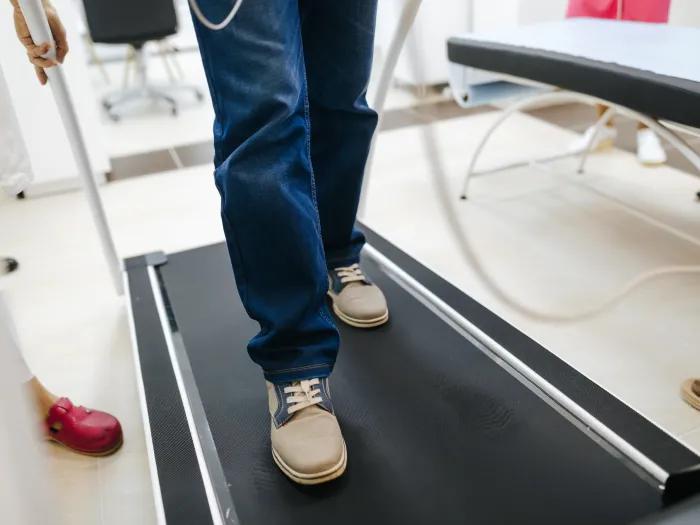
Cardiac rehabilitation reduces risk of death years after heart surgery, still underutilized
Stay Informed
Want top health & research news weekly? Sign up for Health Lab’s newsletters today!
Featured News & Stories

Comprehensive DNA sequencing reveals hidden drivers of cancer

Many older adults make Medicare decisions quickly and most don’t change plans, poll finds

‘Molecular glue’ stabilizes protein that inhibits development of non-small cell lung cancer and uterine cancer
What’s the latest on 7-OH and kratom availability and addiction care?
A metabolic “switch” that could help reset scar-producing cells in scleroderma