Why Polluted Air May Be a Threat to Your Kidneys
Of the many well-documented risks of dirty air, one potential danger is lesser known: chronic kidney disease. Learn about new research and how to protect yourself.
7:00 AM
Author |
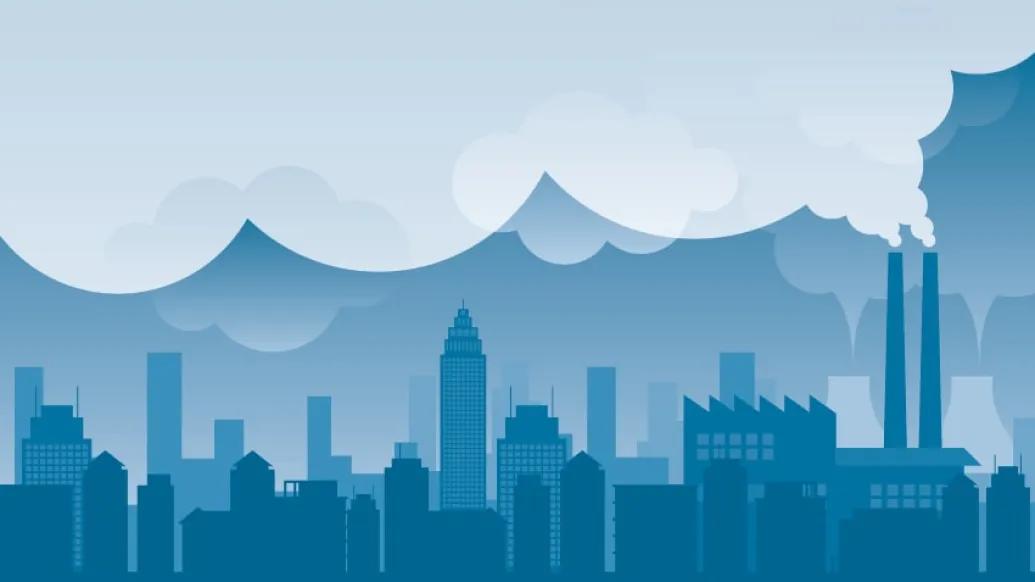
There is good evidence that polluted air increases the risk of respiratory problems such as asthma — as well as organ inflammation, worsening of diabetes and other life-threatening conditions.
LISTEN UP: Add the new Michigan Medicine News Break to your Alexa-enabled device, or subscribe to our daily audio updates on iTunes, Google Play and Stitcher.
But new research suggests air pollution can also fuel something else: chronic kidney disease, or CKD, which occurs when a person's kidneys become damaged or cannot filter blood properly.
Recently published in PLOS One, a University of Michigan study highlights the lesser-known connection.
"Similar to smoking, air pollution contains harmful toxins that can directly affect the kidneys," says Jennifer Bragg-Gresham, M.S., Ph.D., a Michigan Medicine epidemiologist and the study's lead author.
"Kidneys have a large volume of blood flowing through them, and if anything harms the circulatory system, the kidneys will be the first to sense those effects."
People with diabetes, obesity, high blood pressure or heart disease are at increased risk of developing CKD. Which is why high-risk patients who live in heavily populated or polluted areas should recognize the danger and take precautions, Bragg-Gresham says.
Why air pollution is dangerous
Air pollution contains fine particulate matter, or PM2.5, which is a cocktail of microscopic particles.
Because these particles are virtually weightless, they can stay in the air longer, causing humans to unavoidably inhale them on a regular basis without knowing it. PM2.5 can lead to serious health effects when inhaled often.
MORE FROM MICHIGAN: Subscribe to our weekly newsletter
By reviewing Medicare claims data and air-quality data from the Centers for Disease Control and Prevention, the study's authors found a positive association between CKD rates and PM2.5 concentration.
Says study co-author Rajiv Saran, M.D., a Michigan Medicine nephrologist and director of the United States Renal Data System Coordinating Center at U-M: "If you look at areas that are heavily polluted versus areas that are less polluted, you will find more chronic kidney disease."
According to figures cited in the new research, chronic kidney disease afflicts more than 27 million Americans. People with CKD have an eightfold increased risk of cardiovascular mortality.
Unfortunately, PM2.5 is almost impossible to avoid.
We encounter air pollution from many simple everyday activities, such as cooking and driving. Other contributors are smoking, burning wood, packaged spray products, household appliances and, perhaps the most obvious, industry and vehicle emissions.
Air pollution also contains heavy metals such as lead, mercury and cadmium — all of which are known to negatively affect the kidneys.
Problems and preventive measures
The U-M research examined several prior studies on the issue, including an effort conducted in select coal-mining areas of Appalachia that found a 19 percent higher risk of CKD among men and a 13 percent higher risk in women compared with those who lived in counties with no mining.
SEE ALSO: How Living Kidney Donation Works
The good news: PM2.5 levels are much lower in the U.S. than in other industrialized countries such as China and India.
"What this means for the countries with higher PM2.5 is significantly higher odds of CKD," says Bragg-Gresham, also an assistant research scientist at U-M. "Our research was only able to examine a small range of PM2.5 values present in America but was able to find a significant association."
However, it's still important to take precautions when exposed to air pollution, especially for people who have existing health conditions or who live in densely populated or polluted cities.
"In heavily polluted areas, consider wearing masks that cover your nose and mouth, limit hours outside and limit long hours commuting to work in high traffic as well," Saran says, adding that the risk should be taken seriously.
"Many people don't see the seriousness of air pollution because it isn't something visible, but that doesn't mean it's any less important for your health."

Health Lab
Explore thousands of health news & research stories by visiting the Health Lab homepage for more.
Media Contact

Public Relations
Department of Communication at Michigan Medicine
Stay Informed
Want top health & research news weekly? Sign up for Health Lab’s newsletters today!
Featured News & Stories
Better prenatal care data could help prevent maternal complications, experts say

15 years of data will help uncover how flu spreads—and how to reduce its impact

$3.9 million NIH grant to fuel U-M effort to develop first targeted therapy for fatal childhood brain disorder
Bigger data reveals the second, third and fourth switches controlling a gene
Study outlines a new framework for direct cell reprogramming