Who feels ready for residency?
A survey assessed whether medical students felt prepared enough for their upcoming and continued training
5:00 AM
Author |

Who feels prepared for residency? And do feelings of unpreparedness perpetuate inequities in who completes these programs?
These questions are at the heart of a grant study led by Helen Kang Morgan, M.D., a clinical professor of obstetrics and gynecology and learning health sciences at the University of Michigan Medical School.
The paper, “Inequities at the Transition to Obstetrics and Gynecology Residency,” appeared in the July issue of the Journal of Surgical Education.
The research is part of the Association of Professors of Gynecology and Obstetrics Right Resident, Right Program, Ready Day One project, funded by a $1.75 million American Medical Association “Reimaging Residency” grant.
Michigan Medicine’s Maya M. Hammoud, M.D., M.B.A., is the grant’s principal investigator for the project and is also the co-author on the paper.
About the survey
The researchers administered a 16-item survey to all OBGYN residents in the country.
Among its key findings: Residents from allopathic schools felt more prepared (69.6% of individuals surveyed) than their counterparts from osteopathic (62.1%) or international (45.1%) schools. More white residents (72.8%) agreed or strongly agreed that they felt prepared, versus residents from an Asian background (58.7%) or a background underrepresented in medicine (51.6%).
Race and ethnicity questions were included due to known differences in attrition rates based on those demographics for OBGYN residents.
Researchers note that groups with higher attrition rates, like residents from an underrepresented background, were also less likely to report feeling prepared.
The paper stresses that residency programs should be cognizant of these inequities in feelings when trying to address larger inequities in attrition rates.
“Right now, everyone starts their residency as a blank slate—everyone is treated the same,” said Morgan.
“We know that the transition should be more individualized.”
While the authors acknowledge the difference between preparedness and feelings of preparedness, both are important in accounting for the stress of the transition from medical school to residency.
As the paper notes, the first months of residency are associated with increased rates of depression and suicide.
“Not feeling prepared can be a big stress factor, especially if you don’t have an adequate support system when you start residency,” said Morgan.
“It can be death by a thousand cuts when you don’t feel prepared.”
Morgan notes that both medical schools and residency programs have a role to play in fostering better transitions.
The University of Michigan Medical School provides graduating students with an intensive four or eight-week residency preparation course.
The paper reported that residents who had previously completed such courses reported were more likely to feel prepared (71.6%) versus residents who hadn’t (61.1%).
Meanwhile, the APGO Right Resident, Right Program, Ready Day One project has created a “readiness for residency” curriculum that is available for all residency programs.
It aims to help them support OB-GYN residents by broaching important topics beyond medical knowledge, such as time management and dealing with imposter syndrome—topics tied to feelings of preparedness.
Morgan noted, “There is still so much work that is needed to begin to level the uneven playing field of the transition to residency, and our OB-GYN specialty is very proud of the work that we are doing to lead this charge.”
Additional authors: Erika Banks M.D., Gregory M. Gressel M.D., Abigail Ford Winkel M.D., MHPE, Maya M. Hammoud M.D., M.B.A., Bukky Akingbola D.O., M.S., and Karen George M.D., M.P.H.
Paper cited: “Inequities at the Transition to Obstetrics and Gynecology Residency,” Journal of Surgical Education. DOI: 10.1016/j.jsurg.2024.04.005
Sign up for Health Lab newsletters today. Get medical tips from top experts and learn about new scientific discoveries every week by subscribing to Health Lab’s two newsletters, Health & Wellness and Research & Innovation.
Sign up for the Health Lab Podcast: Add us on Spotify, Apple Podcasts or wherever you get you listen to your favorite shows.

Health Lab
Explore a variety of health care news & stories by visiting the Health Lab home page for more articles.
Media Contact

Public Relations
Department of Communication at Michigan Medicine
In This Story
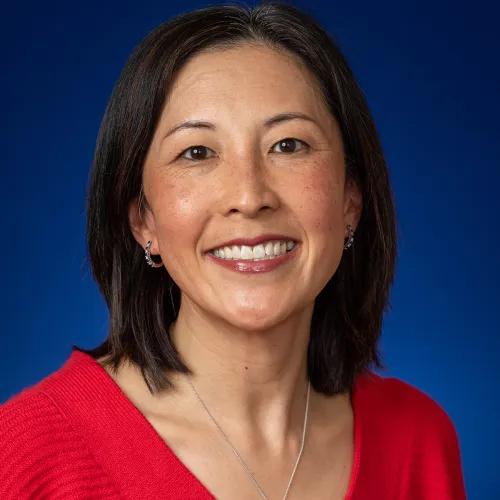
Helen Kang Morgan, MD
Clinical Professor
Stay Informed
Want top health & research news weekly? Sign up for Health Lab’s newsletters today!
Featured News & Stories

Studying neurons using neurons
How AI is helping emergency physicians learn from their patients
Research may help better predict outcomes in kids with congenital cytomegalovirus

LGBTQ+ Aging in America

Michigan’s aging brains need more protection, poll shows