When should your teen get a cell phone? 5 things to consider
Concerns include safety, screentime, and mental health
5:00 AM
Author |
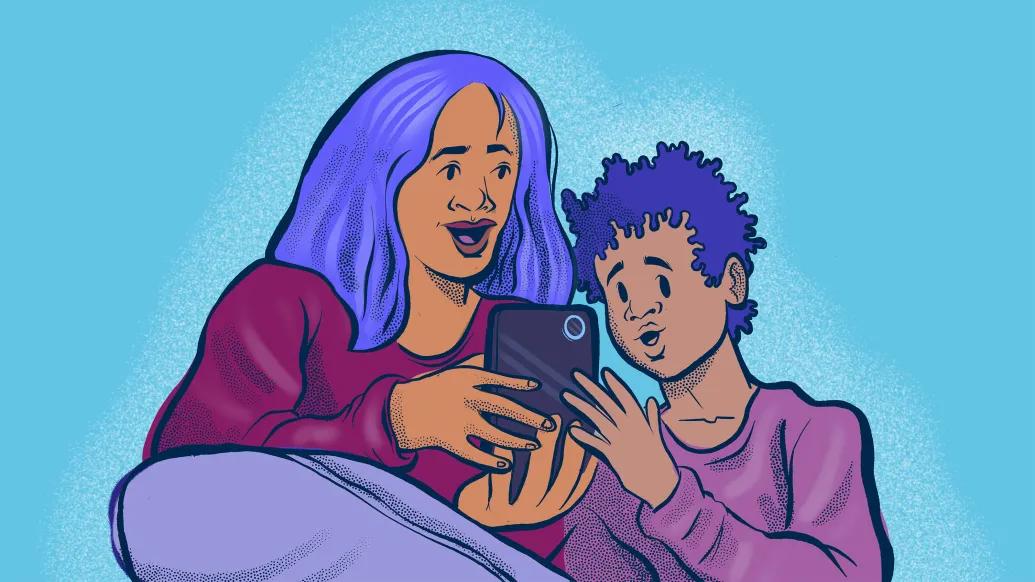
Smartphones are powerful tools—but for tweens and teens, they also come with some unique risks.
From disrupting critical sleep cycles and fueling constant notification overload to exposure to harmful online content, phones can take a toll on kids’ mental health.
As more children get their first phones at younger ages, experts say it’s important for parents to make sure their child is ready for one.
“About 40% of two-year-olds today have their own tablet, and about a quarter of eight-year-olds have their own phones,” said Jenny Radesky, M.D., division director of developmental behavioral pediatrics at University of Michigan Health C.S. Mott Children's Hospital.
"Determining the right time to get a cell phone depends on the child and family and while age can be a factor, it’s not the only one. Parents should consider a child’s maturity, their ability to follow rules and whether they’re prepared to handle situations that come with this level of connectivity.”
Radesky identifies five factors parents need to consider before getting their child a phone.
5 things to consider before giving your teen a cell phone
1.Create safety settings
Safety concerns can be categorized in three ways: contact from strangers, mature content and compulsive usage that interferes with other activities or sleep.
Parents can set up youth accounts so their children and teens cannot be contacted by strangers or access mature content on the internet.
Another control option is a setting to prompt parent approval before apps can be downloaded or purchased.
“Children are curious, and they will often search for things and stumble upon inappropriate content,” Radesky said. “It could be violence, problematic apps, scary news or pornography.”
2. Establish screentime limits
Create boundaries about when, and for how long technology can be used.
“These devices are so fun,” Radesky said. “They’re engineered to grab our attention and hold onto it, so if you don’t create boundaries the tech can take over.”
Outline times when phones will not be used, such as car rides or mealtimes.
Parents should especially be cautious about cell phone usage among teens that may disrupt sleep. Sleep helps with focus, regulating emotions and physical health.
Protecting sleep can look like keeping phones out of bedrooms and setting curfews for phone use, she says.
3. Delay social media access
Starting a social media account too early (under age 13) has been linked to negative mental health outcomes. The legal age requirement for social media is 13, but many teens benefit from waiting longer.
Risks may include more problematic media use, increased body dissatisfaction and negative social comparison.
Tweens and adolescents are especially sensitive to their peers’ opinions, Radesky notes, which may lead them to seek feedback by focusing on likes and reactions online.
“Middle school is one of the trickiest times to manage media use because many kids want social media, but they are not mature enough for it,” Radesky said.
“They don’t have the impulse control to limit posting and usage of social media accounts.”
Parents should emphasize to their kids that just because they have a phone, it doesn’t mean they also get social media access, Radesky says.
4. Make sure phones aren’t replacing in-person opportunities
Teens need in-person interaction with other kids their age, Radesky says. These interactions contain important learning moments that cannot be attained online.
Face-to-face interactions can be found through sports teams, after-school clubs or volunteering opportunities.
It’s important to find a balance between in-person and online conversations, Radesky says, and parents should be monitoring these interactions.
“When it comes to online communication, we recommend texting or Facetiming with family or friends opposed to talking through social media,” she said.
5. Consider alternatives to smartphones
If a child is not ready for a cell phone, parents should consider an alternative option.
Some companies offer starter phones, for example, which have fewer features than smartphones. Look for a device that has only the necessary features – basic texting, calls and location-sharing apps.
Additionally, many carriers offer flip phones, which can be good starter devices.
Smart watches are another option. While not free of distractions, they are less engaging than most cell phones.
Most importantly, Radesky says, parents should keep an eye on how phone and device use is affecting tweens and teens and their emotional and behavioral health.
“Phones themselves are not problematic, but it’s important to pay attention to how your child is using their phone, and whether it’s interfering with their health, school or relationships,” Radesky said.
“Parents should regularly check in with their kids about how they’re feeling in relation to their devices. Family sharing settings on phones cannot replace sitting down and talking to your kids.”
Sign up for Health Lab newsletters today. Get medical tips from top experts and learn about new scientific discoveries every week.
Sign up for the Health Lab Podcast. Add us wherever you listen to your favorite shows.

Health Lab
Explore thousands of health news & research stories by visiting the Health Lab homepage for more.
Media Contact

Public Relations
Department of Communication at Michigan Medicine
In This Story

Jenny Radesky, MD
Associate Professor
Stay Informed
Want top health & research news weekly? Sign up for Health Lab’s newsletters today!
Featured News & Stories

4 ways to teach your teen safe driving habits

U-M-led consortium to receive up to $52 million in NIH funding to study why viral respiratory infections affect children differently

The AI is listening: Implications of machine generated clinical notes on health care
4 in 5 parents say having a baby is too expensive

What’s the latest on 7-OH and kratom availability and addiction care?