What’s the latest on 7-OH and kratom availability and addiction care?
Federal and state policy changes make treatment for addiction recovery even more important
2:30 PM
Author |
First published July 31; updated August 26 and October 14 to reflect DEA Schedule I notices published in the Federal Register
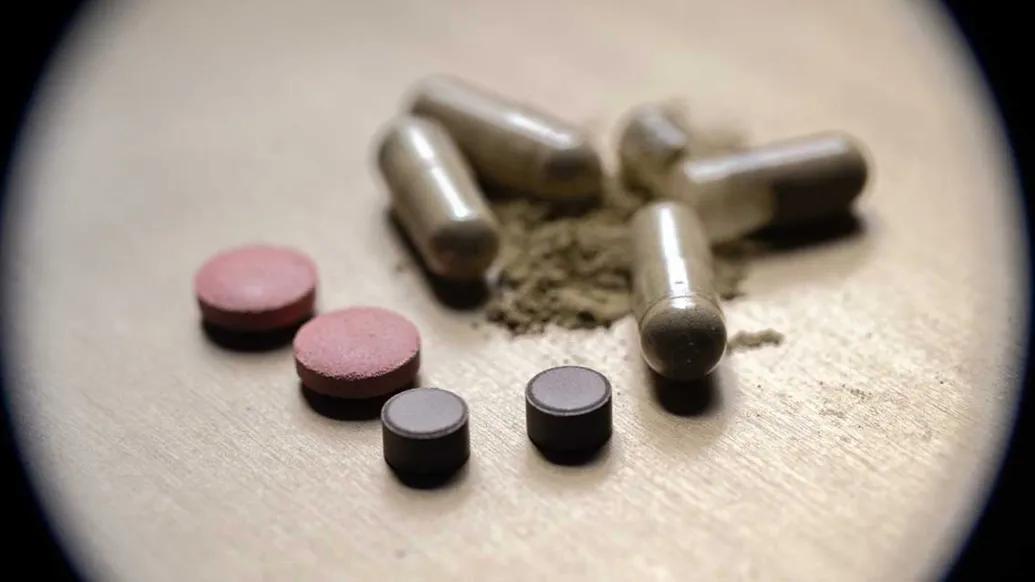
For two years, anyone has been able to walk into a vape shop or convenience store in Michigan and other states, hand over cash or a credit card, and walk out with as much of a substance called 7-OH and other related products as they can afford. Or they can click online and get it shipped to them.
They may have turned to 7-OH and other synthetic opioids at first to get relief from pain, anxiety or stress, or as an alternative to illegal drugs.
After all, 7-OH and synthetic opioid products have been touted as “natural” relatives of plant-derived kratom products that have been around for years.
But for many, including those who “graduated” from kratom to the more potent 7-OH and synthetic opioids often touted as kratom-related, their initial relief turned into an addiction they now can’t kick.
That’s because kratom, 7-OH and the related synthetic opioids all act on the brain’s opioid receptors.
And for some people, that triggers a need to buy ever-higher doses to get the same effect, and a pattern of craving another dose sooner than before.
Now, as soon as November 13, non-botanical products containing 7-OH alone or together with other synthetic opioids will be illegal to sell, use or possess across the country.
The U.S. Drug Enforcement Agency announced a move to place the substances on its list of Schedule I drugs for two years in two official posts about 7-OH and mitragynine pseudoindoxyl, and MGM-15, and MGM-16, on October 14. The order could take effect as soon as 30 days from that date, though the DEA can implement it later.
DEA had previously placed the latter three substances on Schedule I as of August 26, 2026, but the new posts add 7-OH (whose full chemical name is 7-hydroxymitragynine) and describe how products containing it alone or together with mitragynine pseudoindoxyl, or mitragynine pseudoindoxyl alone, will be regulated based on the exact content of the substances.
The Schedule I list of drugs includes substances such as heroin and LSD. Under the drug scheduling system, a Schedule I listing means it is illegal to sell or prescribe a substance in any way, in any state, though carefully controlled research is still possible.
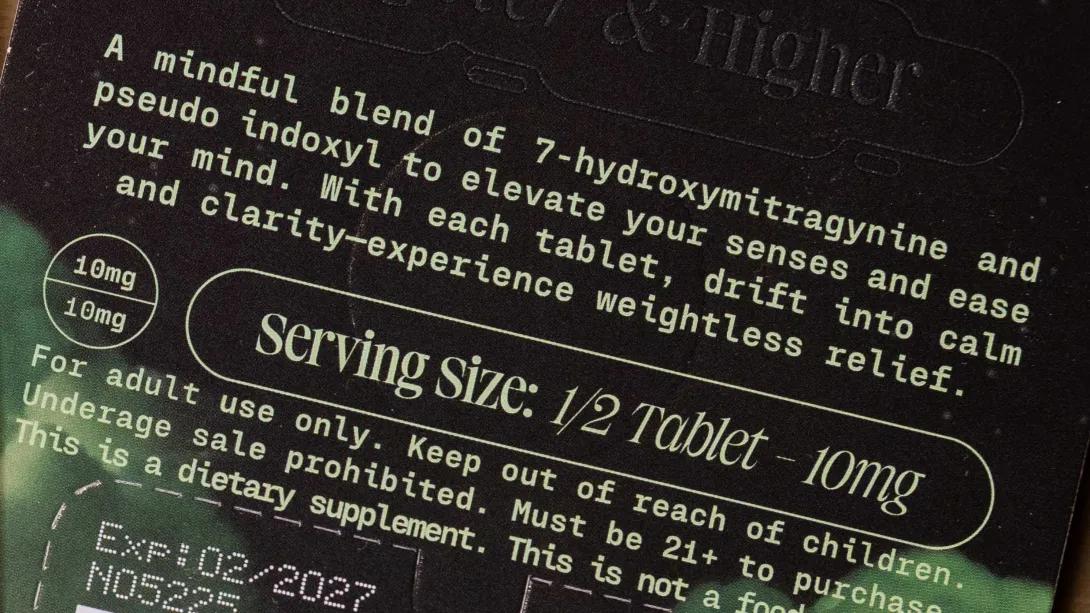
The DEA placed the substances on Schedule I after a public comment period because of the sharp rise in poisonings, cases of addiction and overdose deaths seen since 7-OH and other synthetic opioid products came on the market in the U.S. in late 2024.
While (7-OH) is produced naturally by the kratom plant that grows in South Asia and is present in small amounts in products made from natural kratom leaf, the other three substances are entirely lab-made.
The 7-OH in the products sold as anything other than natural kratom leaf is also lab-made, or synthetic. In such products, 7-OH is present in far higher concentrations than in kratom leaves. Kratom leaves also contain other psychoactive substances.
Products that contain only natural kratom are not affected by the new federal actions. But some states, counties and cities across the country have acted to ban or regulate access to kratom, as well as 7-OH and/or synthetic opioids, in recent months.
A bill to ban all 7-OH and kratom products passed the Michigan House this past March, but has not yet been taken up by the Michigan Senate. A separate bill to regulate kratom was introduced in the Senate in September.
A recovery clinic in Tennessee and Georgia offers a map tracking other states’ laws.
Early signs of impact at addiction treatment clinics
Soon after the DEA announced the potential scheduling of 7-OH products in early July, and word got out that they could disappear from stores in states where they have not already been banned, patients started contacting clinics to help them start the process of recovery from their addiction, said Eliza Hutchinson, M.D.
She leads the Medications for Addiction Treatment team at the Packard Health Clinic in Ann Arbor and is a Clinical Assistant Professor in the University of Michigan Department of Family Medicine. She also leads the team that runs a telehealth "warmline" that offers opioid use disorder treatment for people throughout Michigan.
“We had several patients come to Packard in July to start treatment specifically because they have been told by their vape shop that the products are going away in August,” said Hutchinson. “The need for treatment access and education is increasing.”
She predicts the need will increase further after 7-OH products are officially on Schedule I.
Fortunately, treatment for those who have developed a dependence on these substances is available.
Because 7-OH and kratom act on the opioid system in the brain, the medication called buprenorphine can be used to help someone recover from addiction to them.
Buprenorphine is a highly effective and lifesaving medication for people with opioid use disorder.
It's available in different forms and as both brand-name and generic products. But it is widely known by one of the brand names it was originally sold under and continues to be available as: the oral form Suboxone, which is a combination with naloxone. Some people refer to buprenorphine treatment as "subs" or "bupe" for short.
Whatever it's referred to, and in whatever form, the medication has been used for years to help people recover from addiction to heroin, oxycodone, hydrocodone, morphine and fentanyl.
Hutchinson encourages anyone who has been using 7-OH or other products marketed as kratom-related to talk to their healthcare provider about options for help, including buprenorphine when needed.
She also worries that some people may turn to more dangerous opioids such as fentanyl, or to other substances, to stave off withdrawal from 7-OH and other synthetic opioids when these products are no longer on the market if an individual does not have access to treatment such as buprenorphine.
Hutchinson also notes that naloxone (Narcan) rescue medication can help reverse overdoses caused by the opioid effects of kratom and 7-OH, as well as other opioids.
But it can’t reverse other emergencies caused by other effects that kratom has on the brain and body, such as seizures or liver failure.
These risks and others could also occur If people use large doses of natural leaf kratom to try to make up for the loss of 7-OH, or take kratom with other substances including stimulants or benzodiazepines such as Xanax, Valium or Ativan.
For these, it’s important to seek immediate emergency care and to tell the ambulance crew, first responder or emergency department team exactly what you or the person took.
Resources for 7-OH and kratom addiction care, for patients and providers
For people in Washtenaw County, Michigan, Hutchinson and her colleagues at the Packard Clinic offer care for substance use disorders regardless of ability to pay.
The U-M Addiction Treatment Services clinic, based in the Department of Psychiatry at U-M Health’s Rachel Upjohn Building on the East Medical Campus in Ann Arbor, also offers outpatient treatment for teens and adults with all types of substance use disorders, including kratom and 7-OH.
OPEN, which is a U-M-based effort to help clinicians and community members reduce all kinds of opioid-related risks, offers information about finding treatment for substance use disorders across Michigan. OPEN’s name is short for the Overdose Prevention and Engagement Network.
And the FindTreatment.gov website and national helpline 1-800-662-HELP (4357) can help people in any U.S. state or territory locate addiction treatment centers near them.
But more health care providers who are willing and able to prescribe buprenorphine are urgently needed, Hutchinson says.
To increase their numbers, she and her colleagues have led education sessions to help prescribers across Michigan learn how to start and maintain patients on buprenorphine, and offer supportive services to aid their recovery.
Several dozen primary care providers took part in a recent half-day virtual session that Hutchinson taught along with Christopher Frank, M.D., another member of the U-M Department of Family Medicine faculty who is also an addiction medicine specialist. Frank, too, has treated multiple patients with opioid use disorder linked to 7-OH.
There’s also an on-demand Kratom 101 class and one about the various kratom-related products including 7-OH.
Both are available to anyone with registration and continuing education credit is available to health care providers of all kinds.
OPEN’s website has free information on prescribing medications for opioid use disorder, and a free consult service that Michigan-based clinicians can call during weekdays to speak with a U-M expert for help when treating a patient with opioid addiction.
There’s also a guide for any clinician treating a pregnant patient who has opioid use disorder.
The Michigan Department of Health and Human Services also has a general flyer on kratom and 7-OH for the public, and one specifically aimed at parents of children and young adults in kindergarten through college age.
Meanwhile, U-M researchers continue to study kratom and 7-OH use across the U.S.
In May, a team from the Center for the Study of Drugs, Alcohol, Smoking and Health published a study showing a rise in kratom use even before 7-OH products came on the market, and a correlation between kratom use and mental health issues.
The video below, a recording of a livestream held in May, can also help anyone understand what Hutchinson and U-M Health's Inpatient Addiction Consult Service team, led by Nathan Menke, M.D., Ph.D., has been seeing in terms of patients dealing with 7-OH and kratom addiction.
Sign up for Health Lab newsletters today. Get medical tips from top experts and learn about new scientific discoveries every week.
Sign up for the Health Lab Podcast. Add us wherever you listen to your favorite shows.

Health Lab
Explore thousands of health news & research stories by visiting the Health Lab homepage for more.
Media Contact

Public Relations
Department of Communication at Michigan Medicine
In This Story
Eliza Hutchinson
Clinical Assistant Professor

Nathan Menke, MD, PhD
Clinical Assistant Professor
Christopher J Frank
Clinical Associate Professor
Related

Life-destroying addiction can start at a corner store
It’s easier now to treat opioid addiction with medication -- but use has changed little
Stay Informed
Want top health & research news weekly? Sign up for Health Lab’s newsletters today!
Featured News & Stories
Top 7 tips for choosing Medicare prescription drug coverage for 2027
Comprehensive DNA sequencing reveals hidden drivers of cancer

‘Molecular glue’ stabilizes protein that inhibits development of non-small cell lung cancer and uterine cancer
4 in 5 parents say having a baby is too expensive
Many older adults make Medicare decisions quickly and most don’t change plans, poll finds