What You Should Know About E. Coli Outbreaks
An expert weighs in on how the illnesses tied to romaine lettuce can strike so many, so quickly — and what to watch for as another outbreak unfolds.
7:00 AM
Author |
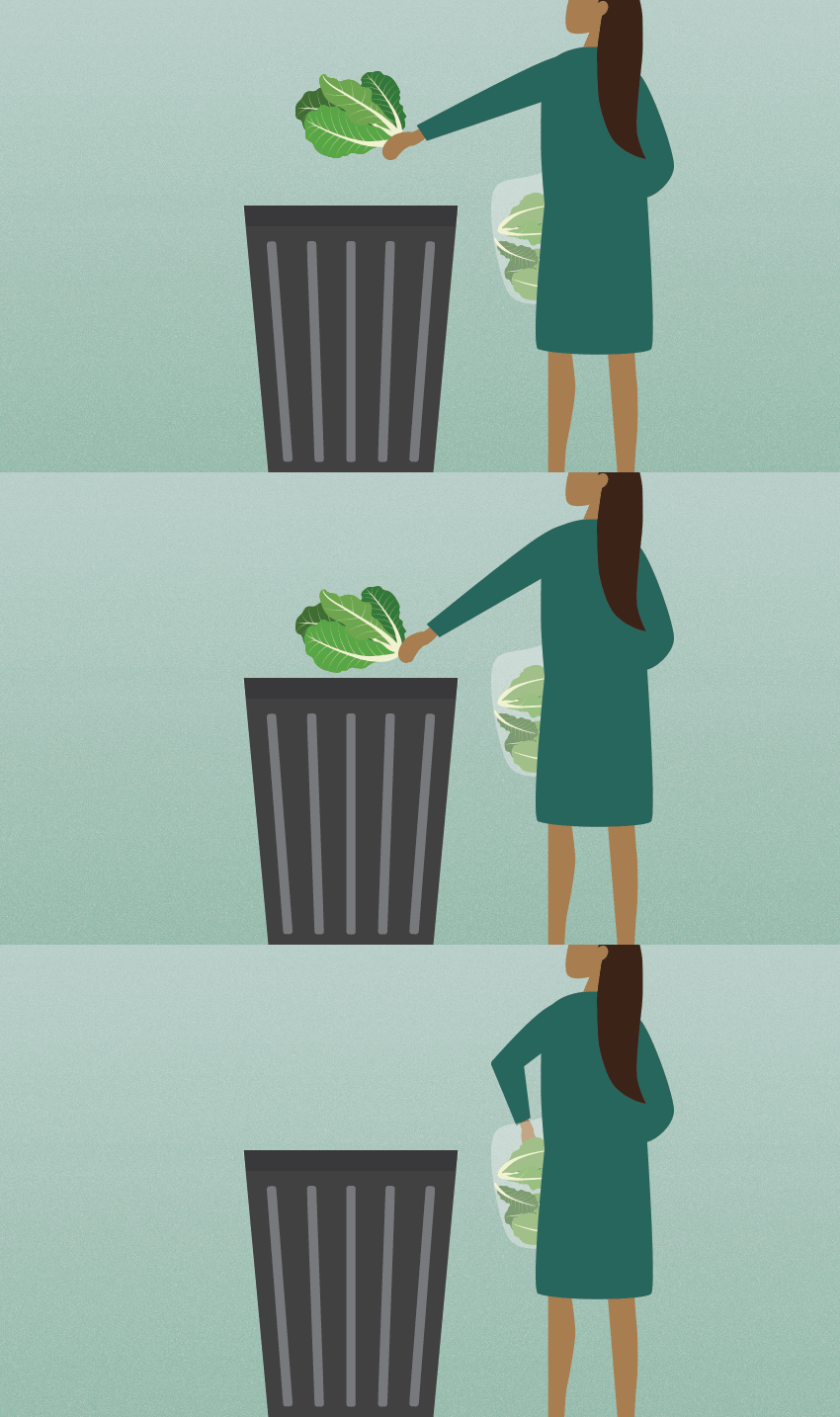
Once again, U.S. consumers are being urged not to eat romaine lettuce due to possible E. coli contamination, the second widespread outbreak affecting the vegetable this year.
An outbreak of the bacterium this spring caused 210 people to get sick — as well as five deaths.
LISTEN UP: Add the new Michigan Medicine News Break to your Alexa-enabled device, or subscribe to our daily audio updates on iTunes, Google Play and Stitcher.
In recent weeks, romaine lettuce has been linked to 32 cases of E. coli across 11 states, the Centers for Disease Control and Prevention reports.
Consumers should discard all types of romaine lettuce in their homes, even if they've eaten it and not gotten sick. Bagged salad mix that may contain romaine should also be tossed.
Because no common grower has been identified as the source, the CDC is advising restaurants and retailers not to sell any romaine lettuce until further notice.
How did this happen?
As was the case last time, the chain of events can elude officials during early stages of contamination. (The prior outbreak was traced to dirty canal water in Arizona.)
"We may never figure out where it's coming from exactly, but we have a few ideas," says Nicole Nomides, M.T., M.S., CIC, FAPIC, manager of Infection Prevention and Epidemiology at Michigan Medicine.
She spoke more about the bacterium earlier this year:
What is E. coli?
People and animals commonly have the E. coli bacterium in the intestines, according to the Centers for Disease Control and Prevention. But sometimes, harmful infectious strains can enter our bodies and make us sick.
These strains, also referred to as Shiga toxin-producing E. coli, are normally contracted through contaminated food and water. Infectious strains of E. coli are often associated with cattle, but the bacterium affects bovines differently than it does humans.
"E. coli O157:H7 produces a Shiga toxin that can cause severe vomiting and diarrhea. This strain of E. coli is what is contaminating the lettuce, and then infecting people," Nomides says.
For those that are relatively healthy, the infection can last about a week. For some, though, the infection can take a drastic toll on the body.
"Some can get a urinary tract infection, and some can experience more severe results of the infection like kidney or organ failure. The elderly and immunocompromised individuals are highest risk for severe infections," Nomides says.
Of the 75 people hospitalized from this spring's E. coli outbreak, 20 developed a type of kidney failure called hemolytic uremic syndrome.
E. coli outbreaks seem to be coming up more and more, and we usually associate these with raw hamburger meat, but that is not always the case.
What causes E. coli outbreaks
"E. coli outbreaks seem to be coming up more and more, and we usually associate these with raw hamburger meat, but that is not always the case," Nomides says. "There was the North American spinach outbreak in 2006, the strawberry farm in Oregon in 2011, and now this [spring 2018] outbreak associated with romaine lettuce."
Bacteria found in the intestines of cattle can get on our plates in numerous ways.
Water runoff after a rainy day can carry manure with it, and that could be the source of the problem. It could be that there's contaminated farm equipment, or a farmer or food processor who might not have washed their hands handles the vegetables and transfers the bacterium that way.
It may also be that vegetables can be harder to clean, so bacteria are more difficult to remove. All the wrinkles and pockets in some vegetables, like lettuce, are friendly places for bacteria.
"Bags of lettuce and spinach go through more processing to get to the grocery stores now than they ever have," Nomides says. "While we may see this as a way to ensure the best quality and safest products, more processing means the vegetables are being handled by more hands and equipment that could potentially be contaminated."
Keeping an eye on outbreaks
For the general public, the CDC is a great resource for food contamination information.
The idea that E. coli — and other foodborne illnesses — have seasonal peaks is true. Warm, wet summer temperatures and outdoor cooking may be to blame.
SEE ALSO: How to Prevent Your Kids from Getting Food Poisoning
"You have to be especially careful in these months," Nomides says.
If you think you may be experiencing symptoms of a Shiga-toxin producing E. coli infection, make sure to stay hydrated to compensate for the loss of fluids. If it's difficult to keep liquids down, contact your health care provider immediately.
To prevent infection, it's important to avoid cross-contamination. Cook your meats to the correct temperatures, and never have raw meat and vegetables on the same cutting board.
"The most important, inexpensive and effective way to prevent infection is washing your hands," Nomides says. "Carry Purell with you, too. Our hands are the main source of transmission for a lot of germs, not just E. coli."

Health Lab
Explore a variety of health care news & stories by visiting the Health Lab home page for more articles.
Media Contact

Public Relations
Department of Communication at Michigan Medicine
Stay Informed
Want top health & research news weekly? Sign up for Health Lab’s newsletters today!
Featured News & Stories

5 hot weather tips that could save an older adult’s life

NASCAR star’s death shows how sepsis can kill anyone if not caught
Hantavirus: Do we need to worry about this rare infection?

Doctors urge caution regarding elective MRI scans

Is there a "cliff effect” in physical activity after high school?