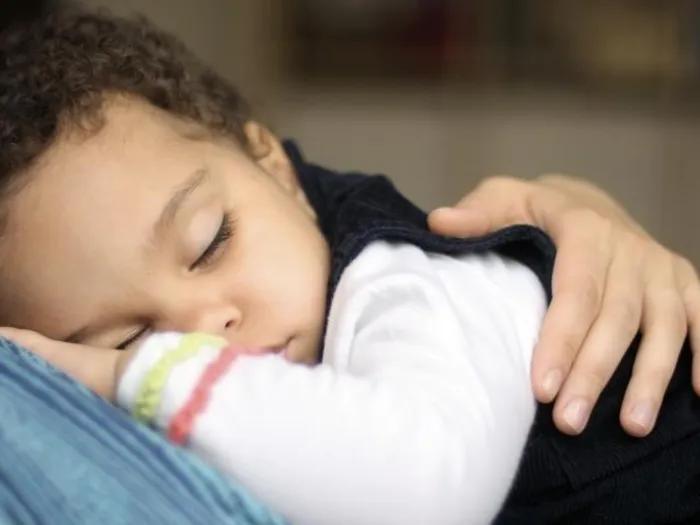
What to know about bedwetting
Bedwetting can be frustrating for both parents and kids, but it can often be quickly addressed
9:08 AM
Author |
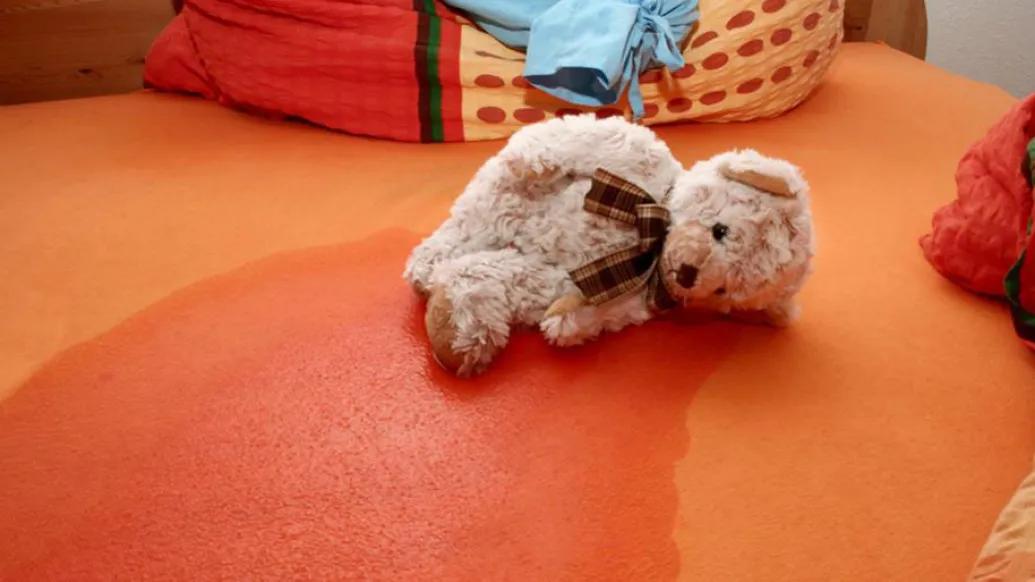
Bedwetting, or nocturnal enuresis is the medical term nocturnal enuresis, is involuntary urination during sleep.
Although bedwetting is quite common, it can be embarrassing for many kids. making them feel isolated and unable to talk to others about it.
It can cause decreased self-esteem and psychological distress for the child and family alike.
They also may avoid certain social situations, such as overnight camps or slumber parties because of their embarrassment.
It could also make them the target of bullying, or they’re blamed for letting it happen even though it’s out of their control.
How common is bedwetting?
Bedwetting is very common.
In the United States, approximately five to seven million children wet the bed.
Additionally, 10 to15% of kids will continue to wet their bed until age six.
Every year, approximately 15% of children who wet the bed will stop spontaneously, with one to 2% continuing to experience wetting the bed into adulthood.
Bedwetting is twice as common in boys as it is in girls and it’s more common in children who have a close relative with a history of bedwetting.
Children with attention deficit hyperactivity disorder are also more likely to wet their bed.
Types of bedwetting and their causes
Primary nocturnal enuresis
This is when a child has never been consistently dry at night.
Most children who experience bedwetting have primary enuresis.
It’s not caused by psychiatric or emotional problems, but it may be associated with increased urine production, small bladder capacity or overactive bladder.
These children don’t wake to their body's signal for the need to void.
The most common cause for that may be a delayed development of the brain's regulation on the bladder.
Secondary nocturnal enuresis
This is when a child has gone six months or more being dry at night, and then there’s a regression and they start wetting the bed again.
Secondary enuresis is less common than primary nocturnal enuresis and accounts for approximately 25% of children wetting their bed.
Associated medical problems may include a urinary tract infection or constipation, in addition to type I diabetes or sleep disordered breathing.
Secondary nocturnal enuresis may also be associated with a change in the child’s life, including stressors such as divorce, moving, a new sibling or a death in the family.
A visit to your child’s doctor can help uncover the cause.
When should you speak to your child’s doctor about bedwetting?
Bedwetting may be problematic if a child is five years of age or older, and they’re wetting the bed at least twice a week for at least three consecutive months.
If your child has primary nocturnal enuresis and isn’t demonstrating improvement in terms of reduced volume or frequency of wetting by age seven, or if the family is experiencing difficulty at any age, consider speaking with your child’s doctor.
However, if your child continues to have nocturnal enuresis at eight years old, without a family history of enuresis, ask that your child be evaluated by their doctor.
Even though many children will outgrow bedwetting, it’s important to get treatment to prevent possible psychological effects and to ensure their bedwetting isn’t interfering with their socialization.
How is bedwetting evaluated?
Contact your child's doctor if you have any concerns regarding bedwetting.
It may also be helpful to complete an elimination diary documenting your child’s voiding and stooling habits.
It may also be useful to keep track of your child's daily fluid intake, including any caffeine intake they’ve had.
Having this information recorded can be very useful to your child’s physician.
In addition, the doctor will complete a physical exam, and a urinalysis may be collected.
A urinalysis is a laboratory study completed on a sample of your child's urine, which can help evaluate concentration, signs of infection or the presence of glucose.
Tips and treatments for bedwetting
Remember: Never punish your child for wetting the bed!
Punishment isn’t helpful since it’s not a deliberate act by a child.
There are many different treatments options and ways to help empower your child, though.
Behavioral interventions are less likely to be successful if your child isn’t a motivated participant in the process.
Your child’s doctor can assist you in deciding which treatment may work best for your child.
Some tips and treatments include:
- Being patient and understanding.
- Respecting your child’s privacy and not discussing their bedwetting in front of others, or with others, unless medically necessary.
- Restricting their fluid intake in the evening, while keeping them adequately hydrated throughout the rest of the day.
- Establishing a regular bedtime routine and sleep patterns, which will enable your child to be well rested.
- Encouraging your child to void prior to bed and anytime they wake up overnight.
Most children will attain continence with time, even without treatment.
If a family member was affected by bedwetting, it may be helpful to have them speak with your child in order to minimize feelings of isolation.
In general, your child should consume approximately 2/3 of their daily fluid intake by the end of the school day and the remaining 1/3 after returning home.
One caveat to this is when kids who participate in after-school sports, as hydration is essential.
Advise against additional fluid consumption in the hour before bedtime.
A bedwetting alarm can be a first-line treatment, as it’s very effective (approximately 2 out of 3 children will respond) especially in terms of long-term cure rate.
It utilizes alarms in the underwear that sets off an alarm, vibratory or auditory, when it gets wet.
Use of the alarm is a family-team effort, as children with nocturnal enuresis require help waking up to the alarm in the beginning.
Once the child wakes up, they should void in the toilet and be assisted in changing pajamas and bedding.
This should be done in a matter-of-fact manner, as a means of taking responsibility for personal hygiene rather than as a punishment.
The alarm should be used consistently for at least two to three months and used until at least 14 consecutive nights pass without a bedwetting incident.
However, if nocturnal enuresis recurs after earlier success, replace the alarm for an additional month of successful use.
Consider using a reward system, such as a sticker chart, in conjunction with the alarm system to incentivize cooperation.
Use the medication desmopressin, which reduces urine production overnight.
The recommended duration is approximately three months, but it can be used intermittently for specific social events such as sleepovers.
Of note, relapse may occur at a higher rate with desmopressin as compared to using a bedwetting alarm.
If constipation is contributing to your child's bedwetting, working with your child's doctor to achieve regular stooling may be beneficial.
Adequate fluid and fiber intake, as well as physical activity, may be helpful in achieving regular stooling habits.
Additional resources:
Updated by Kimberly Levitt, MD, and reviewed by Barbara Felt, MD
Reviewed Sept. 2023

Health Lab
Explore thousands of health news & research stories by visiting the Health Lab homepage for more.
Media Contact

Public Relations
Department of Communication at Michigan Medicine
Stay Informed
Want top health & research news weekly? Sign up for Health Lab’s newsletters today!
Featured News & Stories

Back-to-school anxiety: 6 ways to fight the fear
Safe sleep for babies

Navigating Mental Health Resources

10 Tips for New Parents
Croup