What does cannabis 'rescheduling' mean for science and society?
Federal change could mean more research on a substance that has reached widespread use for self-medication but hasn’t had its benefits or risks examined scientifically
11:00 AM
Author |
Originally published January 9, 2026; updated to reflect change in scheduling announced April 2026 by the U.S. Department of Justice
Tens of millions of Americans turn to cannabis products every week to try to ease their pain, calm their anxiety, get more sleep, help them cope with the side effects of chemotherapy, or just relax and unwind.
Even as many get relief, some experience side effects from today’s more potent cannabis.
It can affect memory, heart rate, and even cause uncontrollable vomiting.
Some who use it regularly show warning signs of addiction.
There’s also potential risk to others, if those who use cannabis drive under the influence, or leave their candy-like edibles where children and teens can find them.
Yet scientists have led very few thorough examinations of any effects of cannabis products containing the psychoactive chemical called THC, or even the non-psychoactive forms containing the chemical called CBD.
Why?
A key reason is that the federal government, which funds most research in the United States, has until now kept all cannabis on a list of drugs called Schedule I.
And that has limited scientists’ ability to study cannabis and its effects, even as Americans’ access to cannabis has exploded in recent years.
Over the last two decades, dozens of states have legalized it for medical or recreational use, and reaped tax dollars from cannabis businesses.
That lack of research may be about to change, say four University of Michigan Medical School experts who have led the kind of cannabis research that was possible over the past decade.
In mid-December, the current administration called for something that previous administrations had long recommended: to change the way cannabis (marijuana) is regulated by the federal government.
The directive called for the U.S. Drug Enforcement Agency to move cannabis and its derivatives from Schedule I to Schedule III – a reclassification that recognizes both the potential for harm or abuse as well as the potential benefits of the substance.
And on April 23, 2026, the U.S. Department of Justice, which includes the DEA, issued the official order rescheduling medical cannabis to Schedule III, subject to state-issued qualifying licenses.
This change has clear implications for researchers.
Potential impact on cannabis research
“Rescheduling cannabis will make it easier to conduct research into both its potential harms and benefits,” said Mark Ilgen, Ph.D., an addiction psychologist who's a Professor of Psychiatry and member of the U-M Addiction Center and Institute for Healthcare Policy and Innovation.
“The classification of cannabis as a Schedule I drug made it very difficult to perform rigorous, controlled studies. In particular, it has been almost impossible for independent researchers in the United States to conduct randomized controlled trials of the impact of cannabis on various symptoms and medical conditions.”
He continued, “These trials are the gold standard for research, and without data from such studies under real-world conditions, patients and treatment providers have had to rely on lower-quality evidence. The change in scheduling opens the door to conducting these crucial studies and could greatly improve the quality of advice given to individuals considering cannabis to help with specific symptoms or conditions.”
Chronic pain researcher Kevin Boehnke, Ph.D., Assistant Professor in the Department of Anesthesiology and the Chronic Pain and Fatigue Research Center, agrees.
In a comment made at the time of the White House announcement, he said, “This executive order on cannabis reclassification represents an important step that acknowledges the possible medical value of cannabis-based medicines for some people with various medical conditions, including chronic pain and nausea and vomiting induced by chemotherapy.”
But just as important, he notes, is the potential impact on researchers who have held off on seeking grants to study cannabis.
“This federal acknowledgment may embolden institutions and leaders who were previously concerned about engaging in cannabis research to start working in this space,” he explained.
“My hope is that rescheduling would greatly accelerate collection of real-world evidence on the impacts of cannabis use, especially related to safety and clinical impacts.”
What's known about cannabis’s impact
Even though it’s been difficult for researchers to use cannabis products directly in research, data-driven researchers have been able to make some inroads in understanding cannabis use and impacts through surveys, and analysis of medical, financial and law enforcement records.
Erin Bonar, Ph.D., an addiction psychologist and Professor of psychiatry, recently co-authored a report on those impacts in Michigan.
She and her colleagues at the U-M Injury Prevention Center summarized what has happened in the state since voters approved recreational legalization for adults in 2018.
The report shows that one in four Michigan adults have used cannabis in the past year, and almost one in five have used it in the last month.
These numbers have more than doubled over the past 20 years, and perceptions of risk from using cannabis have dropped.
Patients won’t feel the impact of rescheduling unless this order leads to better studies, more reliable products, and guidance clinicians can confidently use in everyday care."
-Mark Bicket, M.D., Ph.D.
Cannabis use during pregnancy is one of the report’s key areas of focus.
Use of cannabis during and after pregnancy can negatively impact fetal and newborn health.
Bonar and her colleagues found that 1 in 11 new Michigan mothers said they used cannabis while pregnant, triple the rate from before cannabis was legalized in the state.
Use during pregnancy was twice as common among mothers under age 20, those with low incomes, and those who hadn’t completed high school.
Even among those who stopped using cannabis during pregnancy, some returned to it after giving birth.
Perceptions regarding the safety of cannabis use have grown in the absence of research, Bonar notes.
The change in federal policy could inadvertently increase that perception.
“Rescheduling cannabis sends a message that cannabis isn’t very addictive, when it is. We are at a time in history when cannabis is stronger, and thus more addictive, and more readily available,” she said.
“About 1 in 5 people who use cannabis develop a cannabis use disorder, which isn’t everyone, but is still a sizable chunk of people who will suffer from addiction and experience loss of wellbeing and important aspects of life and functioning,” added Bonar, who is a member of the U-M Addiction Center and IHPI.
“So, this change may be a bit of a double-edged sword. There is great potential here to better research cannabis and find ways for it to be useful, but there’s also a need to be careful considering cannabis’s increasing addictive potential due to the availability of high-THC products."
Research will take time
Even though the rescheduling of medical cannabis subject to state licenses takes effect immediately, good research takes time.
It can take years to go from the process of applying for and receiving federal grants, to carrying out studies, to reporting the findings in peer-reviewed journals and publicizing them to the public, press and policymakers.
The change in scheduling of cannabis comes during a time when funding for the National Institutes of Health has been a political football.
Said Ilgen, “The NIH is currently facing the potential for historic cuts to its budget and changes to how it funds research projects, which could limit the number, size, scope and complexity of studies that can be conducted. Given that cannabis is used to help manage some of the most prevalent symptoms experienced by patients — like pain, poor sleep, anxiety — it is my hope that NIH will fund rigorous studies of cannabis to document its impact.”
Mark Bicket, M.D., Ph.D., says that in the meantime, it’s important for the public and the clinicians to strike a balance on the conditions that people self-treat with cannabis.
Bicket, who treats patients with chronic pain at U-M Health and studies drug use and overdose prevention as Co-Director of the Overdose Prevention Engagement Network, is an Associate Professor of Anesthesiology and member of IHPI.
“This executive order recognizes a basic reality: millions of Americans already use cannabis products for medical symptoms, especially chronic pain, but federal policy has made it unnecessarily difficult to generate the evidence patients and clinicians need,” he said.
“Chronic pain is the most common reason patients turn to medical cannabis, yet it’s also one of the hardest conditions to study rigorously,” Bicket added.
“This order could lower barriers to the kinds of trials and long term studies that pain care has been missing, but it does not mean cannabis, as a category, has been proven effective.”
Bicket calls attention to the part of the White House announcement about cannabidiol or CBD, which is a cannabis derivative that isn't psychoactive, and is broadly available.
"While one purified CBD drug is FDA-approved for certain seizure conditions, most CBD products people use are part of a much broader, loosely regulated category, making clearer standards essential for safety and trust," he said.
In the end, Bicket said, “Patients won’t feel the impact of rescheduling unless this order leads to better studies, more reliable products, and guidance clinicians can confidently use in everyday care.”
Looking ahead
In the meantime, Boehnke says, rescheduling could immediately open up more dialogue between patients and health care providers.
And even before research has taken place, those providers need to be prepared.
“This executive order may provide a sense of security and comfort for clinicians to engage more with their patients about cannabis use, especially those who previously had concerns about how discussing medical use of a criminalized substance may affect their reputations and practice,” he noted.
He points to recent clinical practice guidance that providers can turn to.
But he also notes that most cannabis products will remain illegal at the federal level, even in states where they are legal via state-licensed retailers, because they have not gone through the federal drug approval process.
As a result, health insurance companies will likely continue to not cover them, leaving patients paying out of pocket for products whose strength is not tested or regulated like prescription medications approved by the U.S. Food and Drug Administration are.
Looking down the road, Ilgen notes that the results of research studies made possible by the rescheduling will not only have to be produced, but used to inform care and policy.
“Large segments of the population already believe that cannabis is helpful for a variety of indications, despite only modest support in the existing scientific literature,” he said.
“It remains to be seen whether there will be a willingness to revisit these beliefs if/when scheduling changes allow for new foundational research, or whether any new findings that do emerge will be sufficient to influence public opinion.”
Paper cited: University of Michigan Injury Prevention Center. "Impact of Recreational Cannabis Legalization in Michigan," University of Michigan. Ann Arbor, MI. September 2025
Sign up for Health Lab newsletters today. Get medical tips from top experts and learn about new scientific discoveries every week.
Sign up for the Health Lab Podcast. Add us wherever you listen to your favorite shows.

Health Lab
Explore thousands of health news & research stories by visiting the Health Lab homepage for more.
Media Contact

Public Relations
Department of Communication at Michigan Medicine
In This Story
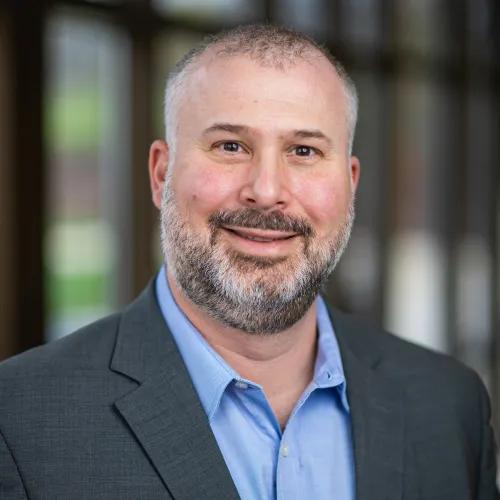
Mark A Ilgen, PhD
Professor

Mark C Bicket, MD, PhD, FASA
Associate Professor

Erin E Bonar, PhD
Professor

Kevin F Boehnke, PhD
Assistant Professor
Related
Want to curb cannabis-related crashes? Don’t forget older adults
How cannabis and psilocybin might help some of the 50 million Americans experiencing chronic pain
Stay Informed
Want top health & research news weekly? Sign up for Health Lab’s newsletters today!
Featured News & Stories

Emergency room intervention pairs smartphone, telehealth counseling to reduce risky firearm behavior
Better prenatal care data could help prevent maternal complications, experts say
Pain, psychological factors and physical function closely linked in people with systemic sclerosis
Many hospitals still don’t do enough to prevent UTIs from catheters

Digital alerts support timely treatment decisions of critically ill cardiac patients