Want to curb cannabis-related crashes? Don’t forget older adults
Among people over 50 who use cannabis, those most likely to drive after partaking are men, people who use daily and those who use for mental health reasons
5:00 AM
Author |
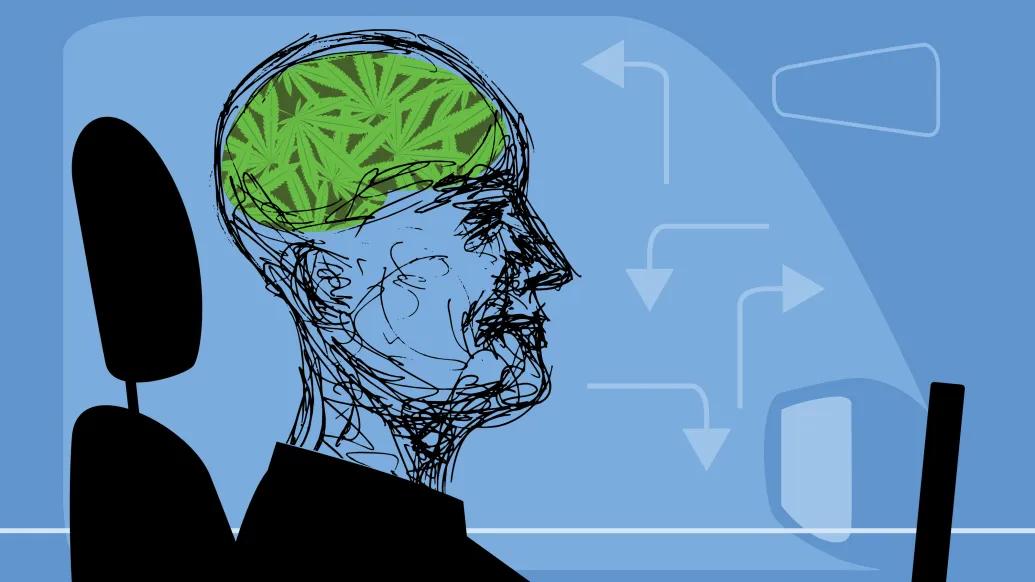
With cannabis-related vehicle crashes on the rise, a study suggests that prevention campaigns shouldn’t focus just on young people.
That means they likely got on the road while the THC in cannabis still impaired their reaction times, attention and other abilities that are important to driving safely.
The findings, from a University of Michigan team led by addiction psychologist Erin E. Bonar, Ph.D., are published in the journal Drug and Alcohol Dependence.
The data behind the study come from the National Poll on Healthy Aging, based at the U-M Institute for Healthcare Policy and Innovation.
Bonar and the poll team published an initial analysis in late 2024, but the paper dives deeper into the data.
“So much of the effort to reduce ‘driving while high’ through awareness campaigns has focused on young people, but our findings show this is a cross-generational issue,” said Bonar, a professor of psychiatry at the U-M Medical School.
“Targeting messages at those middle age and older adults with the highest risk of post-use driving could also include message about the options for addressing the health issues that they may be trying to self-treat with cannabis.”
Those most likely to drive after using cannabis
Adults age 50 and over who use cannabis products daily or nearly daily were three times as likely to say they had driven soon after using, compared with those who only use cannabis rarely, the study finds.
Those who use cannabis for mental health reasons were twice as likely to say they’d driven after using it, compared with those who didn’t list mental health among their reasons for choosing to use cannabis.
And men over 50 who use cannabis were 72% more likely to drive after using THC-containing products, compared with women in the same age group who use cannabis.
In all, the poll showed that 21% of people age 50 and up had used a cannabis product at least once in the last year, including 27% of those aged 50 to 64 and 17% of those aged 65 and up.
Of the 729 respondents over 50 who said they had used cannabis in the past year, 27% said they use it daily or almost daily, while 43% had used it only once or twice. The rest were divided between those who use monthly (14%) and weekly (16%).
Beyond the riskiest groups
While the study results suggest some groups of people over 50 who could especially benefit from targeted preventive messaging about the risks of driving after using cannabis, broad-based messaging appears to be needed, Bonar says.
In all, 65% of the people in the survey who said they use cannabis were between the ages of 50 and 64, with the rest over 65. But there was no difference between the age groups in likelihood of post-cannabis-use driving.
There were also no differences in post-use driving by age, race, ethnicity, income, history of loneliness, or caregiver status.
Those who live in states where recreational cannabis has been legalized were no more likely to drive after using the drug than those living in other states.
In addition to mental health, the poll asked about other reasons that adults over 50 might use cannabis, including several related to health.
In all, 52% of people over 50 who use cannabis cited a mental health or mood-related motive for using cannabis, and 67% cited a sleep-related motive.
There was no difference in whether participants drove after cannabis use based on using it for pain, other medical reasons or sleep-related reasons, once the researchers adjusted the data.
However, there was some signal that those who use it for sleep reasons may be more likely to drive after using.
This suggests a need to help adults age 50 and up understand that there are options for treating these conditions that have much more evidence behind them than cannabis, says Bonar.
It also highlights the need for more robust research on which health conditions cannabis might address most effectively.
Age-specific messaging
Bonar and her coauthors also note that driving guidelines for people over age 50 who choose to use cannabis should also consider the effects of aging on cognitive and motor abilities, and the potential for interactions between cannabis and the prescription drugs that these adults are more likely to take.
Helping adults over 50 who choose to use cannabis understand the potential impacts of today’s more potent cannabis, compared with the forms available in their younger years, is also important, says Bonar.
And when advising people over 50 about reducing driving risks related to their cannabis use, she says, health care providers and public health agencies may want to focus on strategies like using cannabis at times when they’re unlikely to need to drive, such as before bedtime, and the importance of planning ahead for safe transportation via a designated driver or ride share service.
Bonar is a member of IHPI and of the U-M Addiction Center, the U-M Injury Prevention Center and the U-M Eisenberg Family Depression Center.
In addition to the paper on cannabis use and driving among people over 50, the National Poll on Healthy Aging recently issued a report on driving behaviors among people age 65 and over.
Bonar and colleagues also recently published an Injury Prevention Center report on the impact of recreational cannabis legalization in Michigan, including data on motor vehicle crashes and fatalities linked to cannabis.
Additional authors: In addition to Bonar, the study’s authors are Lianlian Lei, Matthias Kirch, Kristen P. Hassett, Erica Solway, Dianne C. Singer, Sydney N. Strunk, J. Scott Roberts, Preeti N. Malani, and NPHA director Jeffrey T. Kullgren.
Funding/disclosures: The poll is funded by Michigan Medicine.
Paper cited: "Driving after cannabis consumption among U.S. adults ages 50 years and older: A short communication," Drug and Alcohol Dependence. DOI: 10.1016/j.drugalcdep.2025.112985
Sign up for Health Lab newsletters today. Get medical tips from top experts and learn about new scientific discoveries every week.
Sign up for the Health Lab Podcast. Add us wherever you listen to your favorite shows.

Health Lab
Explore thousands of health news & research stories by visiting the Health Lab homepage for more.
Media Contact

Public Relations
Department of Communication at Michigan Medicine
Related

Cannabis & older adults: Poll looks at use, beliefs and risk
Most older drivers don't think about the road ahead, poll suggests
Stay Informed
Want top health & research news weekly? Sign up for Health Lab’s newsletters today!
Featured News & Stories
Top 7 tips for choosing Medicare prescription drug coverage for 2027

Comprehensive DNA sequencing reveals hidden drivers of cancer

‘Molecular glue’ stabilizes protein that inhibits development of non-small cell lung cancer and uterine cancer

Many older adults make Medicare decisions quickly and most don’t change plans, poll finds

What’s the latest on 7-OH and kratom availability and addiction care?