Using a microfluidic device to monitor glioblastoma treatment outcomes
Researchers used a microfluidic device to capture biomarkers that are released by tumor cells to predict patient responses to chemotherapy drugs
11:58 AM
Author |
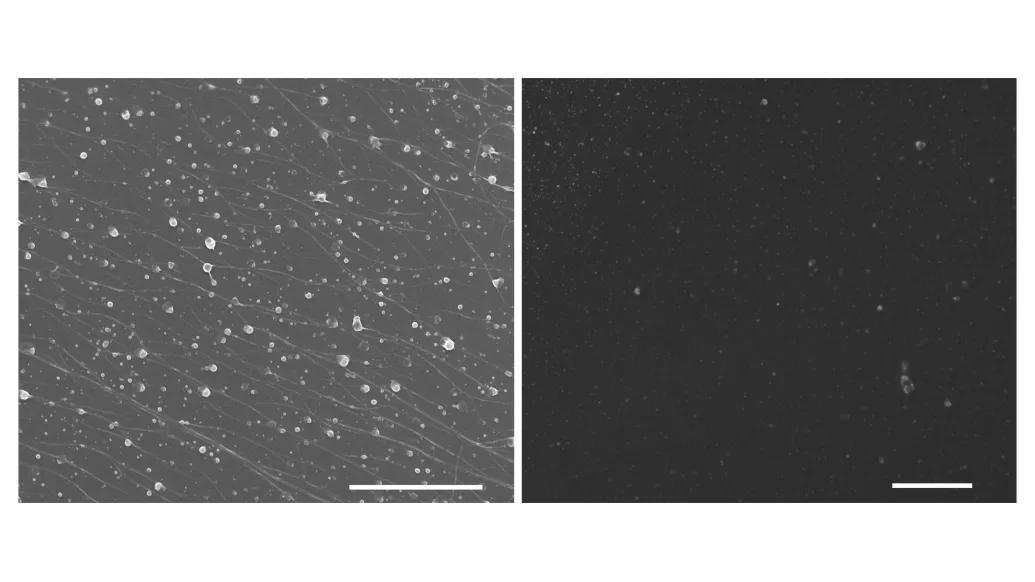
Glioblastoma is the most common and aggressive brain tumor in adults.
Although there is no cure, current treatments can help slow cancer growth and reduce symptoms. Patients typically undergo surgery followed by chemotherapy and radiation.
One of the biggest challenges with glioblastoma treatments is the blood-brain barrier, which limits the passage of drugs into the brain.
This barrier also limits the movement of biomarkers from the brain and makes it difficult to measure whether a treatment approach is working.
In a study published in Nature Communications, a team of researchers developed a new approach that can isolate biomarkers released from glioblastoma tumor cells.
They showed that their method can be used to determine the effectiveness of the chemotherapy drug paclitaxel.
The team focused on using extracellular vesicles, which are small sacs that nearly all cells use as messengers to communicate with each other.
Although these sacs are approximately 250 times smaller than the width of a human hair, they cannot easily move across the blood-brain barrier.
“Monitoring glioblastoma has been a challenge, and it is important to have a reliable way to check whether a treatment is working,” said Sunitha Nagrath, Ph.D., Dwight F. Benton Professor of Chemical Engineering and a member of the Rogel Cancer Center.
“This project started at a scientific meeting where Dr. Sonabad from Northwestern University, who was working on glioblastoma, heard my talk on using extracellular vesicles for other types of cancer.”
In previous studies, the team examined the use of an ultrasound device that, once implanted into the skulls of patients during surgery, can open the blood-brain barrier and deliver drugs to the tumor.
Monitoring glioblastoma has been a challenge, and it is important to have a reliable way to check whether a treatment is working."
-Sunitha Nagrath, Ph.D.
In the current study, the team wanted to see whether the openings would allow extracellular vesicles released from the tumor cells to enter the bloodstream.
To test this, they used a microfluidic device that can hold small volumes of liquids and passes them through channels for better detection.
They enhanced the device so that it could capture vesicles from plasma samples that were specific to glioblastoma patients.
“Even though extracellular vesicles are tiny, they carry cell-specific cargo and with proper technology, we can learn a lot about their parent tumor,” said Abha Kumari, a graduate student in the Nagrath lab and the first author of the paper.
“We found that several proteins, including GFAP and SERPINA3, were present at higher levels in patient-derived vesicles compared to the plasma samples in healthy individuals.”
The processing time for each sample took less than a week, allowing them to follow whether a patient is responding well to a treatment.
By comparing over 130 samples from 18 patients, the team found that when the ultrasound device was used to deliver paclitaxel to tumor cells, patients responded to the drug release with more extracellular vesicles and had better survival outcomes.
Although using the ultrasound device is not a routine procedure for glioblastoma treatment, the researchers believe that their findings provide a foundation for monitoring treatment outcomes for all patients.
The researchers are currently following a patient cohort at Northwestern University who are undergoing immunotherapy, a type of treatment where the body’s own immune system is used to fight cancer.
“We hope that our detection method can also capture information about extracellular vesicles, regardless of what treatment procedure is used for glioblastoma,” Kumari said.
Additional authors: Mark W. Youngblood, Yoon-Tae Kang, Andrew Gould, Karl Habashy, Mateo Gomez, Harika Lingamarla, Trevor Morey, Li Chen, Harrshavasan Congivaram, Rachel Ward, Hui Zhang, Thomas K. Sears, Kathleen McCortney, Katarzyna C Pituch, Elena M Torres Ponce, Ashkan Zarrieneh, Mariana Nieves, Sarah Vandermolen, Ditte Primdahl, Karan Dixit, Rimas V Lukas, Priya Kumthekar, Crismita Dmello, Guillaume Bouchoux, Michael Canney, Christina Amidei, Roger Stupp and Adam M. Sonabend.
Funding/disclosures: The work was supported by National Institutes of Health 1R01CA245969-01A1, P50CA221747, 5-R33-CA-202867, 1-R01-CA-208335-01-A1 931 and 1U19CA264338-01. Sonabend also received funding support from the Lou and Jean Malnati Brain Tumor Institute, philanthropic support from the Moceri Family Foundation in memory of Sharon Moceri, as well as Tina and Vic Kedaitis. The authors acknowledge financial support from Forbes Institute for Cancer Discovery at University of Michigan, the United States Department of Defense (CA230856), American Brain Tumor Association Basic Research Fellowship and the Focused Ultrasound Foundation.
Michigan Research Core(s): Proteomics Core Facility
Paper cited: “Dynamic Release of Extracellular Particles After Opening of the Blood-Brain Barrier Predicts Glioblastoma Susceptibility to Paclitaxel,” Nature Communications. DOI: 10.1038/s41467-025-65681-4
Sign up for Health Lab newsletters today. Get medical tips from top experts and learn about new scientific discoveries every week
Sign up for the Health Lab Podcast. Add us wherever you listen to your favorite shows.

Health Lab
Explore thousands of health news & research stories by visiting the Health Lab homepage for more.
Media Contact

Public Relations
Department of Communication at Michigan Medicine
Related
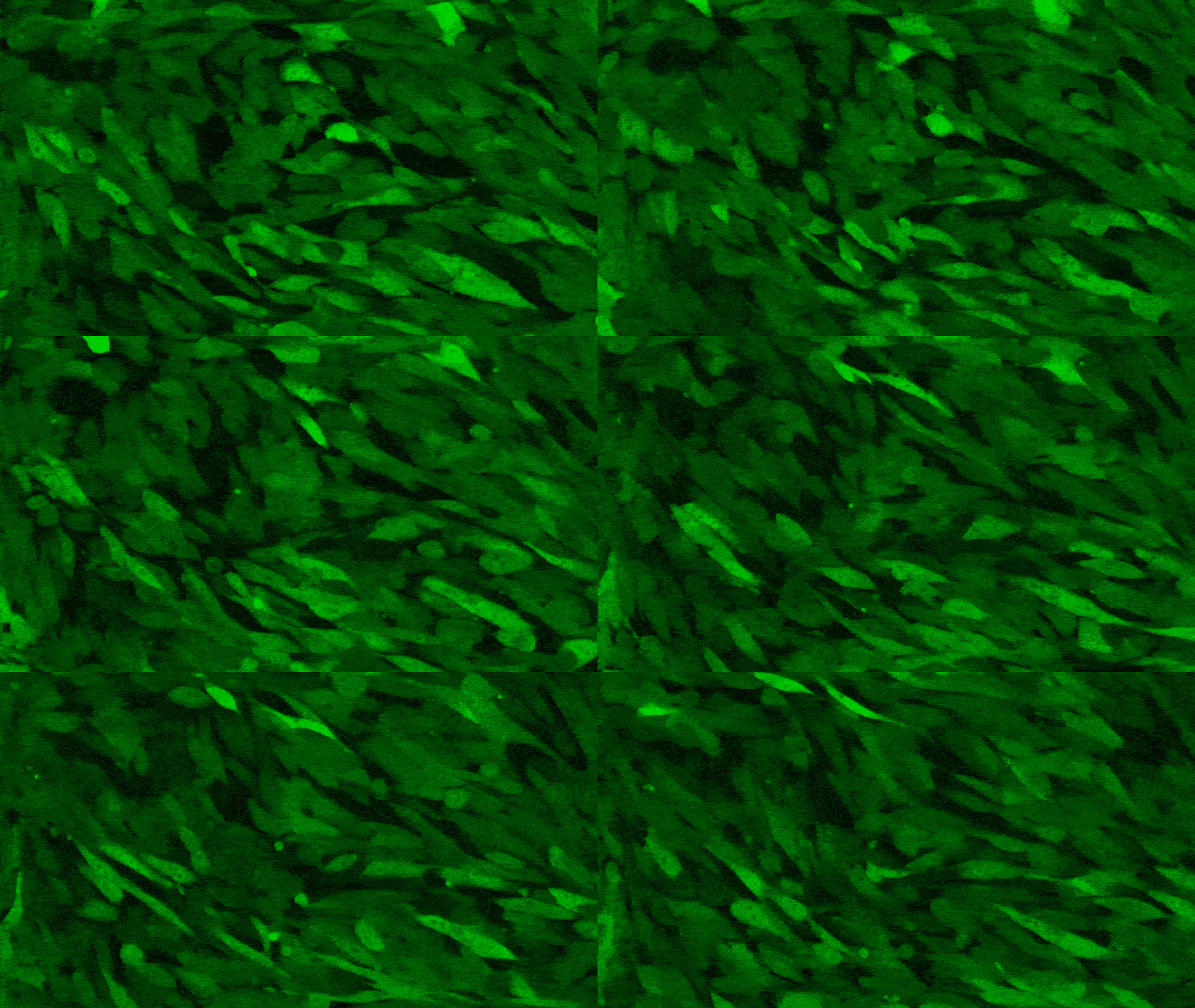
New model of key brain tumor feature could help scientists understand how to develop new treatments
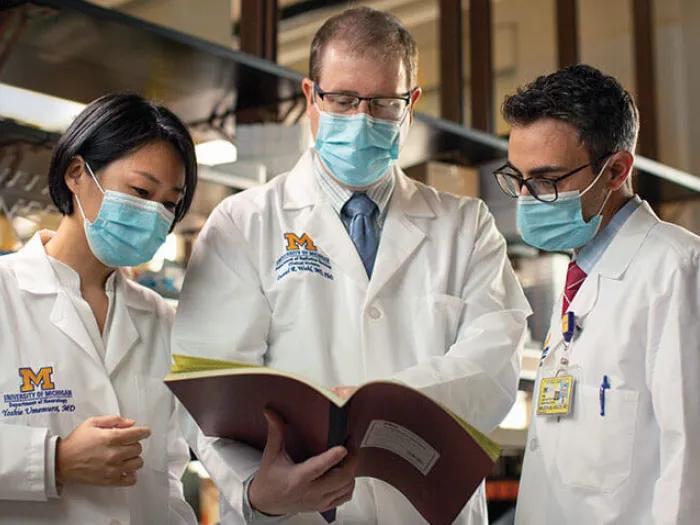
For glioblastoma, a new clinical trial fosters innovation and hope
Stay Informed
Want top health & research news weekly? Sign up for Health Lab’s newsletters today!
Featured News & Stories
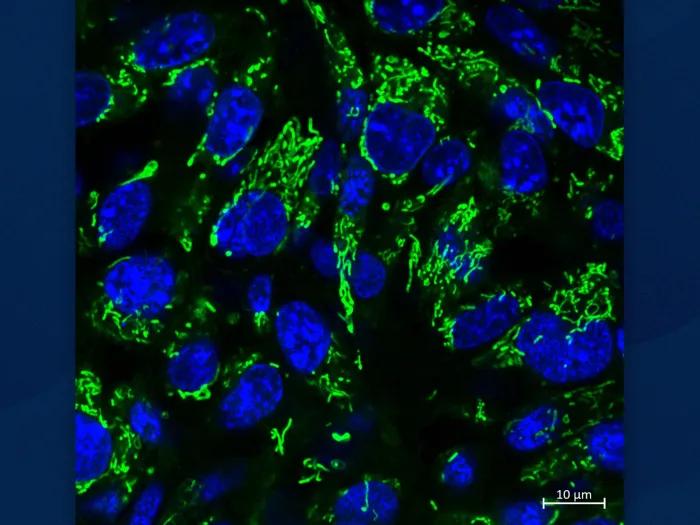
Engineered nanoparticles sensitize gliomas to radiotherapy

Who’s at risk for painful periods?
Identifying avoidant, restrictive food intake disorder in gastroenterology patients
Uncovering cellular stress signal triggered by Salmonella

Psychedelics and anesthetics create mirror image patterns in the brain